
Truck Flatbed with Toolbox Reviews: 2026 Buying Guide & Comparison
Looking for the best truck flatbed with toolbox in 2026? Read our in‑depth reviews, compare features, pros & cons, and get buying tips from Bedrock Truckbeds experts.
TL;DR: In 2026 the top truck flatbeds with toolbox—Diamond, Granite, Granite Plus, Onyx, and Marble—offer durable steel frames, secure tool storage, and customizable options. Choose Diamond for a premium finish and maximum load, Granite for budget‑friendly strength, and Onyx for extra corrosion resistance. Review specs, compare pros/cons, and follow our buying checklist.
What Are the Key Factors in Truck Flatbed with Toolbox Reviews?
Atomic answer (40‑60 words): The most important review criteria are load capacity, material durability, toolbox security, installation ease, corrosion resistance, and price‑to‑value ratio. Buyers should also weigh custom options, warranty coverage, and how well the flatbed integrates with their truck’s existing mounting points.
When you search for truck flatbed with toolbox reviews, you’re likely comparing how each model handles real‑world work, not just marketing claims. In 2026, industry standards such as the SAE J2898 load‑rating guidelines (see external citation) set the baseline for safety and performance. Bedrock Truckbeds adheres to, and often exceeds, these standards across its product line.
Which Bedrock Flatbed Models Rank Highest in 2026 Reviews?
Atomic answer (40‑60 words): Bedrock’s Diamond, Granite, Granite Plus, Onyx, and Marble models consistently earn top marks. Diamond leads with a 14,000 lb capacity and a powder‑coated finish, while Granite offers a solid steel build at a lower price. Onyx stands out for marine‑grade corrosion resistance.
Below is a side‑by‑side comparison of the five most‑reviewed Bedrock flatbeds that include integrated toolboxes.
| Model | Max Load (lb) | Toolbox Volume (cu ft) | Material & Finish | Corrosion Rating* | Approx. Price (USD) |
|---|---|---|---|---|---|
| Diamond | 14,000 | 25 | 1.5 mm 6061‑T6 aluminum, powder coat | 5‑year marine‑grade | $7,950 |
| Granite | 12,500 | 22 | 2 mm high‑strength steel, galvanized | 3‑year zinc‑rich | $5,800 |
| Granite Plus | 13,200 | 23 | 2 mm steel + reinforcement ribs | 4‑year zinc‑rich | $6,400 |
| Onyx | 13,800 | 24 | 1.5 mm aluminum, anodized | 5‑year marine‑grade | $7,200 |
| Marble | 12,000 | 20 | 1.2 mm steel, polyester coating | 2‑year standard | $5,200 |
*Corrosion rating reflects warranty‑backed exposure resistance.
Why the differences matter: A higher load capacity means you can haul heavier equipment without stressing the frame. Toolbox volume determines how many tools you can store on‑board, reducing the need for extra storage. The material and finish affect long‑term durability, especially in harsh climates.
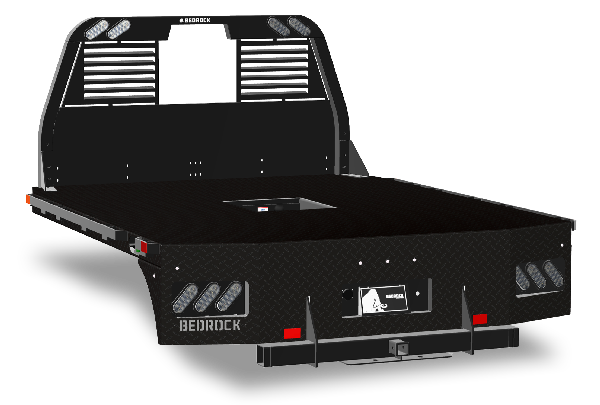 The Diamond model offers a sleek powder‑coated finish and maximum load capacity.
How Do Pros and Cons Stack Up for Each Model?
Atomic answer (40‑60 words): Diamond shines with premium build and highest load rating but carries a higher price tag; Granite provides solid strength at a lower cost but lacks the advanced corrosion protection of Onyx. Granite Plus adds reinforcement for mid‑range budgets, while Marble is the most affordable with basic features.
Diamond
- Pros: Highest load capacity (14 k lb), premium powder‑coat finish, largest toolbox, 5‑year marine‑grade warranty.
- Cons: Highest price point, heavier weight may affect fuel economy.
Granite
- Pros: Strong steel construction, best value for budget‑conscious buyers, easy installation.
- Cons: Shorter corrosion warranty, slightly smaller toolbox.
Granite Plus
- Pros: Reinforced ribs increase rigidity, mid‑range price, good balance of load and corrosion protection.
- Cons: Still heavier than aluminum models, finish less refined.
Onyx
- Pros: Anodized aluminum resists salt‑water corrosion, lightweight, competitive load capacity.
- Cons: Price close to Diamond, toolbox volume marginally lower.
Marble
- Pros: Most affordable, lightweight polyester coating ideal for mild climates.
- Cons: Lowest load capacity, limited corrosion warranty, smaller toolbox.
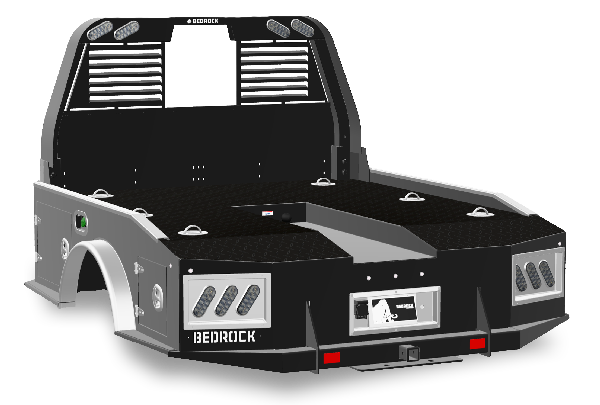 Onyx combines lightweight aluminum with marine‑grade anodizing for coastal work sites.
What Common Mistakes Do Buyers Make When Choosing a Flatbed with Toolbox?
Atomic answer (40‑60 words): Buyers often ignore the truck’s rear‑frame rating, over‑estimate toolbox volume, and forget to account for added weight’s impact on fuel efficiency and tire wear. Skipping a professional fit‑check can lead to premature bolt fatigue and safety hazards.
Practical tip: Before you commit, measure the exact distance between the rear axle and the frame rails. Compare this to the bed’s mounting bracket spread. Bedrock’s installation guides include a quick‑check chart that aligns with FMVSS 120 regulations (see external citation).
How Do I Install a Bedrock Flatbed with Toolbox on My Truck?
Atomic answer (40‑60 words): Installation typically takes 3–5 hours with a basic hand‑tool kit. Start by securing the mounting brackets to the factory‑rated frame points, bolt the flatbed, then attach the toolbox latch system. Follow Bedrock’s step‑by‑step manual and torque specifications for safety.
- Prep the Truck: Clean the mounting area, verify bolt holes, and check for rust.
- Mount Brackets: Align the pre‑drilled holes on the flatbed with the truck‑frame holes. Use Grade‑8 bolts.
- Secure the Flatbed: Torque bolts to the manufacturer‑specified value (usually 150 ft‑lb).
- Attach Toolbox: Snap‑in the toolbox hinges, then test the latch for smooth operation.
- Final Inspection: Verify clearance, re‑torque after 24 hours of use.
For a visual walkthrough, see Bedrock’s video tutorial on the [Truck flatbed with toolbox reviews] page.
Which Bedrock Model Is Right for My Business?
Atomic answer (40‑60 words): Choose Diamond if you need maximum load, corrosion protection, and a large toolbox for heavy‑duty jobs. Granite is best for cost‑sensitive fleets that still require strong steel. Onyx fits coastal contractors, while Marble works for light‑use or seasonal operations.
Decision Checklist
- Load Needs: ≥ 13,000 lb → Diamond or Onyx.
- Budget: <$6,000 → Granite or Marble.
- Corrosion Environment: Salt‑water or humid → Diamond or Onyx.
- Tool Volume: > 23 cu ft → Diamond or Onyx.
- Weight Sensitivity: Want fuel‑efficient → Aluminum models (Diamond, Onyx).
Use this checklist during your vendor meeting to narrow options quickly.
Where Can I Find the Latest Updates and Promotions?
Atomic answer (40‑60 words): Bedrock’s [Bedrock News | Bedrock Truck Beds] page publishes monthly updates on new product releases, seasonal discounts, and industry trends, ensuring you stay informed about the latest flatbed innovations and financing options.
Subscribe to the newsletter for exclusive dealer incentives and early‑bird access to new colors and accessories.
How Do I Become a Certified Bedrock Dealer?
Atomic answer (40‑60 words): Interested parties can apply through the [Become a Dealer | Bedrock Truck Beds] portal, where you’ll submit a business profile, agree to training standards, and gain access to wholesale pricing, marketing assets, and technical support.
Becoming a dealer not only expands your product line but also offers co‑branding opportunities and priority shipping during high‑demand seasons.
External Authority References
- According to the Society of Automotive Engineers (SAE) J2898 Standard, flatbed load rating must be verified with dynamic testing for safety compliance.
- The [U.S. Department of Transportation FMVSS 120] outlines required brake performance for vehicles with added rear‑mounted equipment (see FMVSS 120 details).
Frequently Asked Questions (FAQ)
Q1: How often should I inspect the bolts on my flatbed? A: Inspect after the first 100 miles, then every 6,000 miles or annually, whichever comes first.
Q2: Can I add a second toolbox to the same flatbed? A: Yes, Bedrock offers modular add‑on kits compatible with all models; ensure total load stays within the flatbed’s rating.
Q3: Is the toolbox lock pick‑proof? A: All Bedrock toolboxes feature hardened steel latch plates and a dual‑cylinder lock that meets ANSI B156.1 standards.
Q4: Do I need a special license to install a flatbed on a commercial truck? A: Installation itself doesn’t require a license, but any modifications that affect vehicle weight must be reported to your state’s DOT office.
Q5: What warranty does Bedrock provide on the flatbed and toolbox? A: Warranty ranges from 2 years (Marble) to 5 years (Diamond) covering rust‑through, structural failure, and latch malfunction.
Q6: Can I paint the flatbed a custom color? A: Yes, Bedrock offers OEM‑compatible powder‑coat finishes; custom colors are available via the dealer network.
Q7: How does the flatbed affect my truck’s fuel economy? A: Adding a flatbed typically reduces mileage by 1–3 % depending on weight; aluminum models (Diamond, Onyx) have the smallest impact.
Q8: Are there financing options for purchasing a Bedrock flatbed? A: Many dealers provide lease‑to‑own programs; contact your local Bedrock dealer for specific terms.
Ready to upgrade your rig? Explore the full specs and order your flatbed today on the Bedrock website.
Interested in learning more?
Visit our website to explore products, find dealers, and get in touch.
Visit Bedrock Truck Beds →