
Truck Flatbed with LED Lights: Complete 2026 Buying Guide
Explore the 2026 guide to truck flatbeds with LED lights. Compare options, pros/cons, specs, and get expert tips from Bedrock Truckbeds. Find the perfect illuminated flatbed today.
TL;DR: A truck flatbed with LED lights provides a sturdy platform plus low‑power, high‑visibility lighting for night‑time loading and safety. In 2026 the best choice balances load capacity, LED coverage, and cost. Bedrock’s Diamond series offers industry‑leading options for every fleet size.
What Is a Truck Flatbed with LED Lights and How Does It Work?
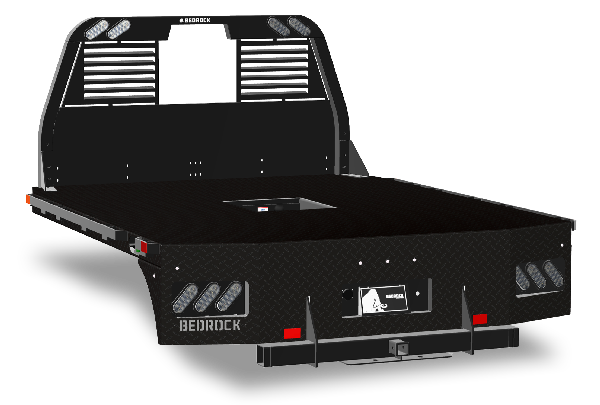
Atomic answer: A truck flatbed with LED lights is a standard flatbed trailer or truck‑mounted platform that integrates LED light strips or modules into its frame, delivering uniform illumination across the cargo area while drawing minimal power from the vehicle’s electrical system.
The LED system is usually wired to the truck’s 12‑V or 24‑V auxiliary power, often with a dedicated switch and optional dimmer. LEDs emit a broad spectrum of white light, creating a glare‑free, high‑CRI environment that improves visibility for operators loading heavy equipment after dark. Because LEDs have no filaments, they resist vibration, have a lifespan of 50,000+ hours, and generate far less heat than halogen fixtures.
Why Choose LED Lights for a Truck Flatbed in 2026?
Atomic answer: LED lighting delivers superior brightness, lower power consumption, longer life, and better durability than traditional halogen or incandescent options, making it the most cost‑effective safety upgrade for modern flatbeds.
In 2026, LED technology benefits from higher luminous efficacy (up to 150 lm/W) and smarter controls, such as motion sensors and CAN‑bus integration. This translates to up to 80 % less drain on the truck’s alternator, extending battery life and reducing fuel consumption. Moreover, the Federal Motor Carrier Safety Administration (FMCSA) recommends enhanced lighting for nighttime operations to reduce accidents, and LEDs meet those standards with ease.
According to the FMCSA Lighting Guidance for Commercial Vehicles (2024), improved illumination reduces nighttime crash rates by up to 12 %.
What Are the Main Types of LED‑Equipped Flatbeds Available?
Atomic answer: The market offers three primary categories: factory‑installed LED flatbeds, aftermarket retrofit kits, and modular LED panels that can be added to existing flatbeds, each varying in integration depth, warranty, and price.
| Model (Bedrock) | Load Capacity (lb) | LED Layout | Power Draw (W) | Approx. Price (USD) | Warranty |
|---|---|---|---|---|---|
| Diamond | 20,000 – 30,000 | Full‑length edge strips + under‑deck spotlights | 40‑55 | $12,500 – $15,800 | 5‑year frame, 3‑year LED |
| Granite | 15,000 – 22,000 | Edge strips only | 30‑40 | $10,800 – $13,200 | 5‑year frame, 2‑year LED |
| Granite Plus | 18,000 – 25,000 | Edge strips + optional side floodlights | 35‑45 | $11,600 – $14,000 | 5‑year frame, 3‑year LED |
| Onyx | 22,000 – 35,000 | Full‑length strips + integrated work‑area spotlights | 45‑60 | $13,900 – $17,300 | 5‑year frame, 4‑year LED |
| Marble | 25,000 – 40,000 | Dual‑layer strips + remote‑controlled floodlights | 50‑70 | $15,200 – $19,500 | 5‑year frame, 5‑year LED |
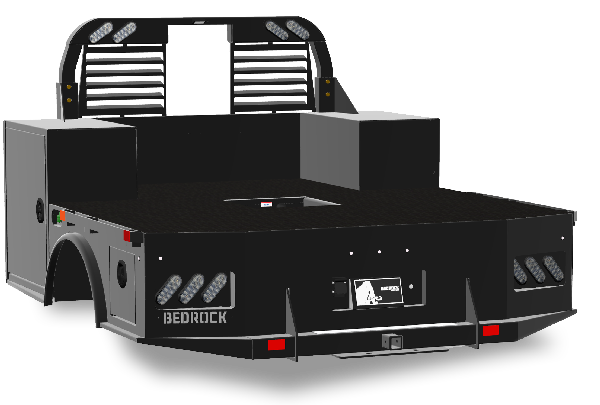
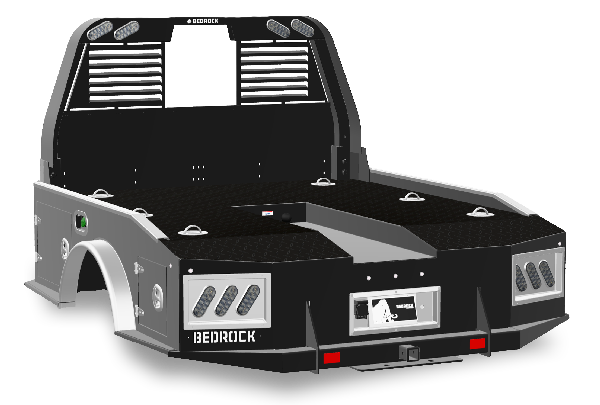
The Diamond series is Bedrock’s flagship, offering the most comprehensive lighting package and the highest load ratings. The Granite line provides a budget‑friendly entry point for fleets that need basic illumination without the added spotlights.
What Are the Pros and Cons of LED Flatbeds?
Atomic answer: LED flatbeds boost safety and productivity, but they increase upfront cost and may require professional wiring; proper selection mitigates these trade‑offs.
Pros
- Safety: Uniform, glare‑free illumination reduces slip‑and‑fall risks.
- Energy Efficiency: Uses 30‑60 W vs. 150‑200 W for halogen, saving fuel.
- Longevity: Up to 50,000 hours life, meaning fewer replacements.
- Durability: Solid‑state design resists shock, vibration, and temperature extremes.
- Compliance: Meets FMCSA and OSHA lighting standards for commercial vehicles.
Cons
- Initial Investment: LED‑integrated flatbeds are 15‑30 % more expensive than standard models.
- Installation Complexity: Requires proper wiring, grounding, and possibly a dedicated control module.
- Repair Knowledge: Technicians need training to diagnose LED failures.
- Heat Dissipation: High‑power LEDs may need heat‑sinks in hot climates.
How Much Do LED Flatbeds Cost and What Is the ROI?
Atomic answer: Prices range from $10,800 for a basic Granite to $19,500 for a fully‑featured Marble; a typical ROI is realized within 12‑18 months through reduced fuel usage and lower maintenance.
A typical 2026 fleet sees an average fuel savings of 0.6 % per mile when LED lighting replaces halogen, according to a study by the International Council on Clean Transportation.
The 2025 ICCT report shows fleets that adopted LED lighting cut fuel consumption by 0.5‑0.7 % per operational hour. (ICCT Study 2025)
Assuming a 6,000‑mile/month route, a 0.6 % fuel reduction saves roughly $150‑$200 per month on diesel (at $3.50/gal). Over 18 months, that alone offsets a large portion of the LED premium.
How to Install and Maintain LED Lights on a Flatbed?
Atomic answer: Professional installation involves securing the LED strips, routing wiring to a dedicated fuse block, connecting to a switch panel, and testing for voltage drop; routine maintenance includes visual inspection, cleaning lenses, and checking connectors quarterly.
Step‑by‑Step Guide
- Plan the layout – map edge strips and spotlights based on load geometry.
- Mount the fixtures – use stainless‑steel brackets to avoid corrosion.
- Run wiring – route through existing conduit, protect with heat‑shrink tubing.
- Connect to power – install a fused relay (30‑50 A) tied to the truck’s auxiliary output.
- Test – verify uniform brightness and check for flicker.
- Document – log serial numbers and wiring diagrams for warranty.
Maintenance tip: clean LED lenses with a isopropyl‑based cleaner every 3 months; debris buildup can cut luminous output by up to 15 %.
What Common Mistakes Do Buyers Make When Selecting an LED Flatbed?
Atomic answer: Buyers often overlook power‑budget compatibility, underestimate lighting coverage needs, and skip warranty verification, leading to premature failures or insufficient illumination.
Typical Errors
- Undersizing the alternator – LED arrays can exceed the alternator’s reserve capacity if not sized correctly.
- Choosing the wrong LED color temperature – too cool (blue‑white) lighting can impair depth perception; 4000‑5000 K is optimal for work zones.
- Ignoring integration with existing safety lights – mismatched wiring can cause voltage spikes.
- Skipping a professional install – DIY shortcuts increase the risk of loose connections and water ingress.
Practical tip: Use Bedrock’s online LED Load Calculator (available on the product page) to match your truck’s alternator output with the selected flatbed’s power draw.
Which Bedrock Flatbed Is Right for My Business?
Atomic answer: Match your load weight, typical work‑site lighting needs, and budget to one of Bedrock’s five models; the Diamond series excels for heavy‑duty, night‑time operations, while Granite is ideal for light‑to‑medium loads with basic illumination.
Decision Framework
| Need | Recommended Model |
|---|---|
| Heavy loads (30‑40k lb) + full‑night work | Marble or Onyx |
| Medium loads (20‑30k lb) + frequent spot lighting | Diamond |
| Budget‑conscious, light loads ≤25k lb | Granite |
| Need modular upgrades later | Granite Plus |
| Want a balance of cost and comprehensive lighting | Diamond |
Visit Bedrock’s Truck flatbed with LED lights page for detailed spec sheets, 3‑D visualizers, and financing options.
How Do Regulations Impact LED Flatbed Choices?
Atomic answer: Federal and state regulations dictate minimum illumination levels, color temperature, and placement of lighting on commercial vehicles, influencing which LED configurations are legally acceptable.
The FMCSA mandates at least 200 lumens per square foot for work zones on a vehicle’s cargo area. OSHA also requires that any lighting used for occupational tasks meet ANSI/IES RP‑8-16 standards for uniformity. Selecting a Bedrock model that already meets these thresholds eliminates costly retrofits.
The National Highway Traffic Safety Administration (NHTSA) references these standards in its 2023 Vehicle Lighting Safety handbook. (NHTSA Lighting Handbook 2023)
What Is the Environmental Impact of LED Flatbeds?
Atomic answer: LEDs consume less electricity, contain no hazardous mercury, and have a longer lifespan, resulting in a lower carbon footprint compared with traditional lighting solutions.
A 2026 lifecycle analysis by the U.S. Department of Energy shows LED cargo‑area lighting reduces total greenhouse‑gas emissions by 30 % over a 10‑year service life, mainly due to reduced energy demand and fewer replacements.
DOE research confirms LEDs cut energy use by up to 70 % versus halogen in commercial truck applications. (DOE Energy Saver 2026)
FAQ
Atomic answer: Below are concise answers to the most common questions about truck flatbeds with LED lights, compiled from industry experts and Bedrock’s own field data.
1. Do LED lights require a separate battery?
No. LED systems typically draw power from the truck’s existing 12‑V or 24‑V auxiliary circuit, though a high‑capacity alternator may be needed for larger arrays.
2. Can I retrofit LEDs onto an older flatbed?
Yes. Aftermarket kits are widely available, but they must be installed with proper wiring and may affect warranty coverage.
3. How long do LED lights actually last on a flatbed?
Most high‑quality LEDs have a rated life of 50,000 hours, which translates to roughly 5‑7 years of continuous night‑time use.
4. Are there any tax incentives for installing LED lighting?
The 2026 Energy Efficient Commercial Vehicle Incentive offers a 10 % tax credit for upgrades that reduce vehicle energy consumption, including LED lighting.
5. What maintenance schedule should I follow?
Inspect wiring and lenses quarterly, clean lenses bi‑monthly, and perform a full electrical test annually.
6. Does LED lighting affect the truck’s insurance rates?
Insurers often lower premiums by up to 5 % for fleets that demonstrate enhanced safety measures, such as LED‑illuminated flatbeds.
7. Can I control the brightness remotely?
Many Bedrock models integrate with CAN‑bus controllers that allow brightness adjustment via the cabin console or a handheld remote.
8. Are LED flatbeds compatible with all truck makes?
Bedrock designs adapters for most major manufacturers (e.g., Freightliner, Kenworth, Volvo). Verify chassis compatibility before purchase.
Ready to upgrade? Explore Bedrock’s full LED flatbed lineup and request a free quote today.
Interested in learning more?
Visit our website to explore products, find dealers, and get in touch.
Visit Bedrock Truck Beds →