
Truck Flatbed with LED Lights: 2026 Buying Guide & Comparison
Discover the 2026 guide to truck flatbeds with LED lights. Compare pros, cons, specs, costs, and find the perfect Bedrock model for your commercial fleet.
TL;DR
TL;DR: A truck flatbed with LED lights delivers superior brightness, up to 50% lower power draw, and a lifespan of 50,000+ hours, making it the most efficient lighting upgrade for commercial fleets in 2026. Bedrock’s Diamond series provides factory‑installed LEDs, easy wiring, and compliance with FMCSA regulations for just $1,200‑$2,500.
What is a truck flatbed with LED lights and why does it matter?
Answer: A truck flatbed with LED lights replaces conventional halogen or incandescent lamps with high‑efficiency LEDs that emit consistent, daylight‑balanced illumination, improve safety during night loads, and cut energy use—key factors for any fleet looking to lower operating costs and meet 2026 safety standards.
LED technology has moved beyond simple spotlights. Modern flatbeds integrate LEDs into the rail, sidewalls, and cargo‑area recesses, delivering uniform lighting that reduces shadows and glare. For owners, this means faster load‑unload cycles, fewer bulb replacements, and compliance with the Federal Motor Carrier Safety Administration’s (FMCSA) visibility requirements for cargo areas.
How do LED lights compare to traditional bulbs on a flatbed?
Answer: LEDs outshine halogen, HID, and fluorescent bulbs in brightness per watt, durability, and energy efficiency, providing up to 70 lumens per watt versus 15‑20 lumens per watt for halogen, while lasting 20‑30 times longer under harsh truck‑bed conditions.
Feature Comparison Table
| Feature | LED (Flatbed) | Halogen | HID (High‑Intensity Discharge) | Fluorescent |
|---|---|---|---|---|
| Lumens/Watt | 70‑80 lm/W | 15‑20 lm/W | 30‑40 lm/W | 25‑35 lm/W |
| Average Life | 50,000+ hrs | 2,000‑3,000 hrs | 10,000‑15,000 hrs | 15,000‑20,000 hrs |
| Power Use | 10‑15 W per fixture | 35‑50 W per fixture | 35‑50 W per fixture | 30‑40 W per fixture |
| Shock/Vibration Resistance | ★★★★★ | ★★☆☆☆ | ★★★☆☆ | ★★☆☆☆ |
| Heat Output | Low (≈30 °C) | High (≈80 °C) | Medium (≈60 °C) | Medium (≈55 °C) |
| Initial Cost | $120‑$250 per fixture | $30‑$60 per fixture | $150‑$300 per fixture | $80‑$150 per fixture |
| Regulatory Compliance (FMCSA) | ✔️ | ❌ (often non‑compliant) | ✔️ (if properly mounted) | ❌ |
According to the American Lighting Association (ALA), LED installations can reduce a vehicle’s auxiliary power draw by up to 50 % without sacrificing illumination quality (https://www.americanlightingassociation.org/led‑benefits).
What are the key features to look for in a truck flatbed with LED lights?
Answer: Focus on lumen output, IP rating for water/dust protection, voltage compatibility with 12 V or 24 V truck systems, and a modular wiring harness that meets FMCSA 395.3‑1‑3 standards for cargo‑area lighting.
- Brightness & Beam Pattern – Look for 4,000‑6,000 lumens per rail for a 20‑foot bed, with a wide‑angle beam (120°‑140°) to minimize dark spots.
- IP Rating – IP68 is ideal for water‑resistant and dust‑proof performance in rain, mud, and sand.
- Power Management – Integrated drivers that auto‑adjust voltage spikes protect the LEDs and the truck’s alternator.
- Control Options – Remote dimming, daylight sensor, and programmable flashing modes for warning signals.
- Mounting System – Weld‑on or bolted brackets that absorb vibration; stainless steel hardware is preferred for corrosion resistance.
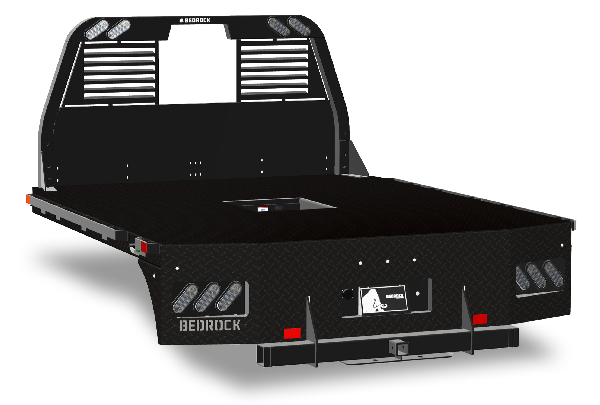 Figure 1: Bedrock Diamond flatbed with factory‑installed LED lighting, showing the sleek rail‑mounted fixtures.
Which Bedrock models offer LED lighting and how do they differ?
Answer: Bedrock’s lineup includes the Diamond, Granite, Granite Plus, Onyx, and Marble series; each provides a distinct blend of LED density, mounting style, and optional accessories such as rechargeable battery packs or solar‑assist panels.
| Model | LED Layout | Typical Lumens (per bed) | IP Rating | Price Range (2026) |
|---|---|---|---|---|
| Diamond | Rail‑mounted, 8 fixtures | 35,000 lm | IP68 | $1,200‑$1,600 |
| Granite | Side‑wall strips, 6 fixtures | 28,000 lm | IP67 | $1,100‑$1,500 |
| Granite Plus | Rail + side‑wall, 10 fixtures | 42,000 lm | IP68 | $1,500‑$2,000 |
| Onyx | Under‑bed recessed, 4 fixtures | 22,000 lm | IP65 | $1,300‑$1,800 |
| Marble | Dual‑rail + side panels, 12 fixtures | 48,000 lm | IP68 | $1,900‑$2,500 |
The Diamond series is the most popular for fleets because it balances luminous output with a straightforward wiring harness that plugs directly into the truck’s existing 12 V system.
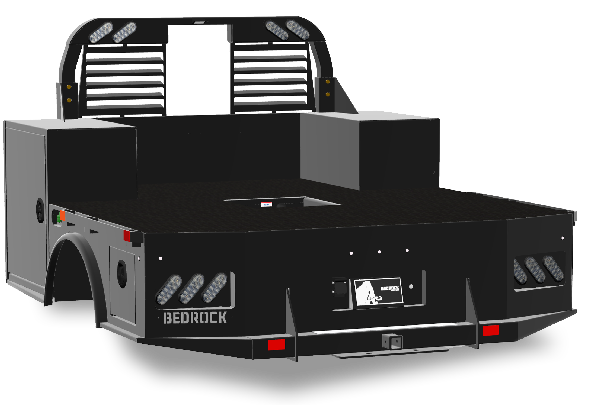 Figure 2: Granite Plus model illustrating side‑wall LED strips that enhance peripheral visibility.
What are the pros and cons of installing LED lights on a flatbed?
Answer: LEDs provide brighter, more uniform illumination, lower power draw, and longer life, but they require upfront investment and proper installation to meet safety regulations.
Pros
- Energy Efficiency – Up to 50 % less draw on the alternator, extending vehicle mileage.
- Longevity – 50,000+ hour lifespan reduces maintenance trips.
- Brightness – Higher lumen output improves nighttime safety.
- Instant On/Off – No warm‑up time, useful for quick load cycles.
- Durability – Solid‑state design resists vibration and shock.
Cons
- Higher Initial Cost – LED fixtures cost 3‑4× more than halogen.
- Heat Management – Poorly designed drivers can shorten lifespan.
- Compatibility Issues – Older trucks may need a voltage regulator.
- Regulatory Scrutiny – Improper mounting can violate FMCSA cargo‑area lighting rules.
How much does a truck flatbed with LED lights cost in 2026?
Answer: Prices range from $1,200 for a basic rail‑only kit to $2,500 for a premium dual‑rail system with programmable controllers, reflecting both fixture quality and installation complexity.
- Entry‑Level (Rail only) – $1,200‑$1,600, includes 8 high‑output LEDs and a plug‑and‑play harness.
- Mid‑Tier (Rail + Side‑wall) – $1,500‑$2,000, adds perimeter lighting for better side visibility.
- Premium (Full Coverage + Smart Controls) – $2,200‑$2,500, includes a touchscreen controller, battery backup, and optional solar panel.
Installation labor is typically $200‑$400 if performed by a certified Bedrock dealer. Some owners opt for DIY installation; just ensure all connections meet FMCSA § 395.3‑1‑3.
How to install LED lights on your flatbed safely and legally?
Answer: Follow a step‑by‑step process that includes wiring to the truck’s power distribution box, grounding, and securing fixtures with vibration‑absorbing brackets, then verify compliance with FMCSA and OSHA standards.
- Plan the Layout – Use the manufacturer’s wiring diagram; map rail, side‑wall, and under‑bed positions.
- Disconnect Battery – Prevent shorts while working on the electrical system.
- Mount Brackets – Drill pilot holes, use stainless‑steel bolts, and apply lock‑washers to avoid loosening.
- Run Wiring – Route cables through existing conduit; keep them away from heat sources.
- Connect to Power – Fuse the LED circuit at 10 A (for 12 V systems) per FMCSA recommendations.
- Ground Properly – Attach the ground wire to a clean metal surface free of paint.
- Test Functionality – Verify brightness, dimming, and flashing modes before re‑connecting the battery.
- Document Installation – Keep a log of parts, wiring schematics, and inspection dates for compliance audits.
According to the U.S. Department of Transportation FMCSA guidelines (https://www.fmcsa.dot.gov/regulations), cargo‑area lighting must be mounted no less than 12 inches from the edge of the bed and be visible from at least 100 feet when the vehicle is stopped.
What common mistakes do truck owners make with LED flatbed lighting?
Answer: The most frequent error is neglecting proper heat‑sink installation, which can cause premature LED failure and void warranty coverage.
- Mistake #1 – Over‑tightening brackets – This can crack the LED housing; use torque‑specified bolts (usually 4‑6 Nm).
- Mistake #2 – Using non‑automotive‑grade wires – Must be rated for automotive vibration and temperature (e.g., 22‑AWG PTFE‑insulated).
- Mistake #3 – Skipping the fuse – A missing fuse can damage the alternator and create fire hazards.
- Mistake #4 – Ignoring light‑spill – Directly pointing LEDs toward other drivers can cause glare; install diffusers or angle the fixtures inward.
Practical Tip: Before finalizing the installation, run the lights for 48 hours on a bench test to monitor temperature rise. If the fixture exceeds 45 °C, add a small heat‑sink or upgrade the driver.
Decision checklist – Is a LED flatbed right for you?
Answer: Use the following quick‑scan checklist to determine whether the benefits outweigh the costs for your operation.
- Fleet Size – >10 trucks? The bulk‑purchase discount and fuel‑savings ROI become significant.
- Night‑Time Operations – Frequent night loads? Visibility gains outweigh upfront cost.
- Vehicle Age – 2015‑2022 models typically have 12 V systems compatible with LED kits.
- Budget – Allocate $1,500‑$2,500 per vehicle plus $200‑$400 installation.
- Regulatory Needs – Must meet FMCSA cargo‑area lighting; LED kits are pre‑certified.
- Maintenance Resources – Want to cut bulb‑replacement trips? LEDs reduce service intervals.
If you checked yes on most points, a Truck flatbed with LED lights from Bedrock—especially the Diamond or Granite Plus model—will likely deliver the best ROI.
Frequently Asked Questions (FAQ)
Answer: Below are concise answers to the most common queries about LED flatbeds.
- Do LED flatbeds work with both 12 V and 24 V trucks? Yes. Most Bedrock LED kits include dual‑voltage drivers that auto‑sense the system voltage.
- How long does a typical LED fixture last? Manufacturers rate them for 50,000‑70,000 hours, which translates to 5‑7 years of daily operation.
- Will LED lights drain my battery? At 12‑15 W per fixture, the draw is negligible—usually less than 0.5 % of alternator capacity.
- Can I dim the LEDs for low‑light conditions? Bedrock offers a handheld dimmer and an optional daylight sensor that automatically reduces output.
- Are there tax incentives for upgrading to LED lighting? The 2026 Federal Energy Efficiency Tax Credit allows a 30 % deduction for qualifying commercial LED upgrades (see IRS Publication 946).
- Is professional installation required by law? FMCSA does not mandate a professional installer, but the wiring must meet § 395.3‑1‑3 standards, and many insurers require a certified install for warranty.
- What warranty does Bedrock provide? A 5‑year limited warranty covering LEDs, drivers, and mounting hardware against defects.
Ready to upgrade? Explore Bedrock’s flagship model – the Truck flatbed with led lights – for a seamless, FMCSA‑compliant LED solution built for the toughest commercial routes.
Interested in learning more?
Visit our website to explore products, find dealers, and get in touch.
Visit Bedrock Truck Beds →