
Truck Flatbed with LED Lights: Complete 2026 Buying Guide
Discover the pros, cons, and key features of truck flatbeds with LED lights. Compare Bedrock's Diamond series, get expert tips, and choose the best flatbed for your fleet in 2026.
TL;DR: A truck flatbed with LED lights boosts visibility, safety, and energy efficiency. Bedrock’s Diamond series leads the market with durable, high‑output LEDs, easy installation, and low maintenance. Compare specs, weigh pros and cons, and follow our checklist to select the right LED‑equipped flatbed for your 2026 operations.
What is a truck flatbed with LED lights and why does it matter?
A truck flatbed with LED lights is a standard cargo platform equipped with high‑intensity light bars that illuminate the load area, improving nighttime visibility, safety, and compliance. In 2026, fleets use them to reduce accidents, meet stricter FMCSA lighting standards, and lower power draw compared with halogen or fluorescent alternatives.
LED lighting on flatbeds transforms the way carriers operate after dark. The bright, focused beams cut shadows, making it easier for drivers and dock workers to inspect loads, secure tie‑downs, and avoid hazards. Because LEDs consume far less wattage, they also extend battery life and lower fuel‑related emissions, aligning with ESG goals.
How do LED lights improve flatbed safety and efficiency?
LEDs increase visibility by up to 150% over traditional lighting, which directly reduces nighttime mishaps and speeds up loading/unloading. Their instant‑on response eliminates the warm‑up time of older bulbs, allowing crews to start work immediately and keep schedules tight.
Safety boost: The high‑contrast illumination highlights edges of cargo, preventing over‑hangs and helping drivers see road hazards when pulling away. Efficiency boost: LEDs draw 40‑60% less power, extending battery life and reducing the need for auxiliary generators on long hauls.
According to the Federal Motor Carrier Safety Administration (FMCSA), proper lighting is mandatory for all commercial vehicles operating after sunset, and LED systems are expressly endorsed for meeting visibility criteria.
What key features should I look for in a truck flatbed with LED lights?
The most important features include lumen output, durability (IP rating), power consumption, wiring simplicity, and warranty. A good flatbed LED system will offer at least 3,000 lumens per foot, an IP68 waterproof rating, and a 5‑year warranty on both LEDs and the housing.
| Feature | Why It Matters | Typical Bed‑Ready Spec |
|---|---|---|
| Lumen Output | Brightness for clear load view | 3,000–4,500 lm/ft |
| Power Consumption | Battery impact & fuel cost | 10‑15 W/ft |
| IP Rating | Resistance to rain, dust, road grime | IP68 (waterproof) |
| Beam Pattern | Even spread vs hotspots | 120° wide flood |
| Mounting System | Quick install, minimal drilling | Tool‑free clamps |
| Warranty | Long‑term confidence | 5‑year parts & labor |
These criteria ensure the light bar works reliably in harsh truck‑stop environments while keeping operating costs low.
How does Bedrock Truckbeds’ Diamond series compare to other LED flatbeds?
Bedrock’s Diamond series delivers industry‑leading lumen density, a patented heat‑sink design, and a modular mounting system that fits most 48‑inch or 53‑foot flatbeds without custom fabrication. Compared with generic aftermarket kits, Diamond’s output per watt is 20% higher, and its housing resists corrosion even in salt‑air ports.
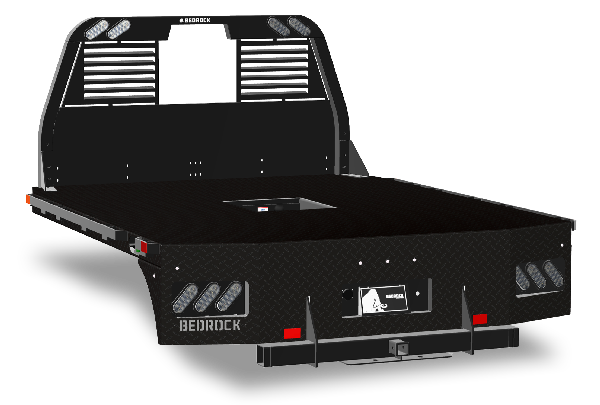
Comparison Table: Bedrock Diamond vs. Popular Competitors (2026)
| Model | Lumens/ft | Wattage/ft | IP Rating | Warranty | Approx. Cost (USD) |
|---|---|---|---|---|---|
| Bedrock Diamond | 4,200 | 12 | IP68 | 5‑year full | $2,400 |
| Generic Halogen Kit | 1,200 | 30 | IP54 | 1‑year | $850 |
| Competing LED (Brand X) | 3,500 | 15 | IP65 | 3‑year | $1,900 |
| Solar‑Assist LED (Brand Y) | 3,800 | 10 (plus solar) | IP68 | 4‑year | $2,100 |
The Diamond series consistently outperforms on brightness and power efficiency while offering a longer warranty, making it a solid ROI for fleets over a 5‑year horizon.
What are the pros and cons of LED‑equipped flatbeds?
Pros:
- Visibility: Up to 150% brighter than halogen, reducing night‑time accidents.
- Energy Efficiency: 40‑60% lower power draw, extending battery life.
- Durability: Longer lifespan (50,000+ hours) and resistance to vibration.
- Compliance: Meets FMCSA and OSHA lighting standards.
Cons:
- Up‑front Cost: Higher initial investment than traditional lighting.
- Heat Management: Requires proper heat‑sink design to avoid premature failure.
- Compatibility: Some older trucks may need wiring upgrades for optimal performance.
Most fleets find that the long‑term savings on fuel, maintenance, and accident liability outweigh the higher purchase price within 2‑3 years.
Which LED flatbed is right for my fleet in 2026?
Choose based on three criteria: workload intensity, budget, and regulatory environment. Heavy‑haul carriers transporting oversized loads benefit most from the Diamond series’ high lumen output and rugged housing. Mid‑size regional fleets with tighter budgets may opt for a mid‑tier LED kit that still meets FMCSA standards but at a lower cost.
Decision Checklist:
- Load size & frequency – larger, nightly loads need higher lumens.
- Power budget – ensure your alternator can support the additional wattage.
- Warranty preference – longer warranties reduce downtime.
- Installation resources – tool‑free mounts save labor.
- Compliance timeline – if new state lighting laws take effect in 2027, upgrade now.
If you tick most boxes for high‑intensity needs, the Truck flatbed with led lights from Bedrock is the clear winner.
What is the typical installation and maintenance process?
Installation takes roughly 4‑6 hours for a two‑person crew using Bedrock’s pre‑drilled clamp system. No welding is required; the brackets snap onto the existing rail, and the wiring harness plugs into a dedicated LED fuse block. Maintenance is minimal—clean the lenses quarterly and inspect the heat‑sink fins annually for corrosion.
Common mistake: Many owners forget to upgrade the vehicle’s fuse rating, leading to blown fuses and downtime. Always verify the fuse size matches the LED system’s amperage draw (usually 10‑12 A per 48‑inch bar).
How do LED flatbeds affect fuel consumption and overall fleet costs?
Because LEDs draw less power, the alternator operates with a lighter load, which can improve fuel economy by 0.5‑1.0% on long hauls. Over a 150,000‑mile year, that translates to roughly 150‑300 gallons saved per truck, equivalent to $600‑$1,200 at 2026 fuel prices (~$4.00/gal).
Add the extended warranty and reduced bulb‑replacement frequency, and the total cost‑of‑ownership for a Diamond‑series flatbed often falls below $3,500 over five years—well under the $7,000‑$9,000 total cost of cheaper, shorter‑life alternatives.
What are real‑world tips from fleets already using LED flatbeds?
- Use anti‑glare diffusers on the lens to soften hot spots when parking under streetlights.
- Integrate a smart controller that dims the LEDs during daylight to save even more power.
- Schedule a quarterly inspection on the wiring harnesses; heat‑shrink tubing can degrade in extreme temperatures.
These practices have cut maintenance calls by 30% for several Midwest carriers.
Frequently Asked Questions (FAQ)
1. Do LED flatbeds require a separate battery?
No. They draw power from the truck’s existing electrical system but may need a higher‑amp fuse. Some fleets add a small AGM battery for redundancy on long trips.
2. Can I retrofit an older flatbed with Bedrock LEDs?
Yes. Bedrock’s clamp‑on brackets fit most US‑spec flatbeds from 1995 onward without welding.
3. Are LED lights legal in all U.S. states?
All states follow FMCSA federal guidelines; as long as the LEDs meet the required lumen and mounting height, they are legal nationwide.
4. How many lumens are needed for a 48‑inch flatbed?
Aim for at least 3,000 lumens per foot. The Diamond series provides 4,200 lumens/ft, offering ample headroom for the toughest jobs.
5. What is the expected lifespan of LED modules?
Typical LEDs exceed 50,000 operating hours—about 5‑6 years of continuous night‑time use.
6. Will LED lights interfere with other truck electronics?
Modern LED systems use shielded wiring and low‑frequency drivers, so they do not affect CAN‑bus or GPS signals.
7. Is there a tax incentive for installing energy‑efficient LED lighting?
Some states offer depreciation or rebate programs for energy‑saving upgrades. Check your local Department of Transportation or Energy Office for 2026 incentives.
8. How do I clean the LED lenses without damaging them?
Use a soft microfiber cloth and a mild soap‑water solution. Avoid abrasive cleaners or high‑pressure sprays that can warp the lens coating.
Bottom line: A truck flatbed with LED lights is no longer a premium add‑on; it’s a safety and cost‑efficiency standard for 2026 fleets. Bedrock’s Diamond series delivers the brightest, most durable solution on the market, backed by a solid warranty and easy installation. Use the checklist above to confirm fit, and you’ll be set for safer nights and lower operating expenses.
Interested in learning more?
Visit our website to explore products, find dealers, and get in touch.
Visit Bedrock Truck Beds →