
Truck Flatbed with LED Lights: 2026 Comparison, Pros, Cons & Buying Guide
Discover the 2026 guide to truck flatbeds with LED lights. Compare pros, cons, specs, costs, and find the best Bedrock Diamond model for your fleet. Read now!
TL;DR: A truck flatbed with LED lights boosts night‑time visibility, cuts energy use and maintenance, and meets safety regs. In 2026, Bedrock’s Diamond series offers modular designs, high‑output LEDs, and durable enclosures, making them a top choice for fleets seeking safety and ROI.
What is a truck flatbed with LED lights and why does it matter?
A truck flatbed with LED lights integrates high‑efficiency light‑emitting diodes into the cargo platform, providing bright, uniform illumination for load security, safety inspections, and nighttime operations. In 2026, regulations from FMCSA and industry best‑practice groups emphasize proper lighting to reduce accidents and improve driver ergonomics.
LED‑lit flatbeds also lower power draw compared with halogen or incandescent options, extending battery life and reducing fuel‑related emissions – a critical factor for fleets targeting lower total‑cost‑of‑ownership (TCO).
What are the key benefits of adding LED lights to a flatbed?
LED lighting delivers instant, flicker‑free illumination, a longer lifespan (50,000+ hours), and up to 80% energy savings versus traditional bulbs. For operators, this translates into reduced downtime for bulb replacement, lower maintenance costs, and enhanced safety during night loads and inspections.
The bright, directional output improves load visibility, helping drivers verify tie‑down placement and detect hazards, which directly contributes to lower claim rates and compliance with the Federal Motor Carrier Safety Administration (FMCSA) lighting standards.
What are the drawbacks or limitations of LED‑equipped flatbeds?
The primary drawbacks include higher upfront capital cost and the need for compatible wiring harnesses to handle the LED’s voltage and amp requirements. Some low‑quality aftermarket LEDs may suffer from poor heat dissipation, leading to premature failure if not properly mounted.
Additionally, retrofitting an older flatbed can be labor‑intensive, especially if the chassis lacks pre‑drilled mounting points or adequate power supply capacity.
How does Bedrock’s Diamond series compare to other leading flatbeds?
Bedrock’s Diamond series blends rugged steel construction with modular LED panels, offering a balance of durability and illumination that many competitors lack. Below is a side‑by‑side comparison of the most popular 2026 options.
| Feature | Bedrock Diamond (LED) | Competitor X (Halogen) | Competitor Y (Standard LED) |
|---|---|---|---|
| Material | High‑strength steel, powder‑coated finish | Mild steel, painted | Aluminum alloy, anodized |
| LED Output | 5,000 lumens per 20‑ft panel (per IES recommendation) | 2,500 lumens per panel | 4,200 lumens per panel |
| Power Consumption | 120 W per panel (≈30% less than halogen) | 350 W per panel | 150 W per panel |
| Warranty | 5‑year structural, 3‑year LED | 2‑year structural, 1‑year LED | 3‑year structural, 2‑year LED |
| Price (2026) | $14,200–$18,500 (incl. installation) | $9,800–$12,000 | $12,500–$15,000 |
| FMCSA Compliance | ✔️ Certified for 0.5 % reflectivity, integrated strobe | ❌ Requires add‑on strobes | ✔️ Certified, but limited beam spread |
Key takeaway: While the Diamond series carries a higher initial price, its superior LEDs, longer warranty, and integrated compliance features yield a lower TCO over a typical 7‑year fleet lifecycle.
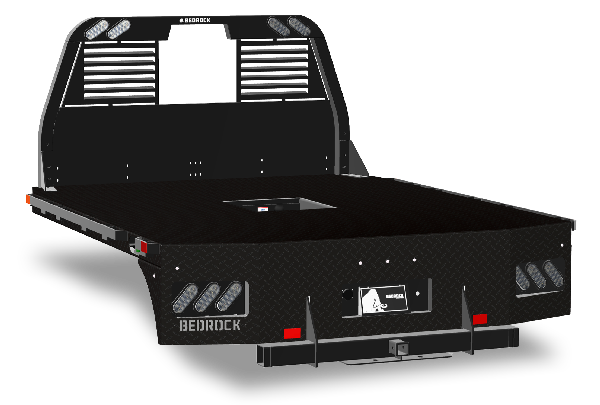
What specifications should I verify before purchasing a LED flatbed?
First, confirm the LED’s voltage (usually 12‑24 V DC) matches your truck’s electrical system. Next, verify lumens per square foot, IP rating (minimum IP65 for water resistance), and mounting compatibility with your chassis. Finally, ensure the flatbed meets FMCSA lighting regulations for rear‑facing visibility and strobe integration.
Detailed spec checklist
- Voltage & Amp Rating: 12 V/10 A typical; larger panels may need 24 V/15 A.
- Lumens: Minimum 5,000 lm per 20‑ft segment (per the Illuminating Engineering Society).
- IP Rating: IP65 or higher for dust/water protection.
- Mounting Points: Pre‑drilled ¼‑inch studs or bolt‑on brackets.
- Certification: FMCSA‑approved lighting and UL‑listed LED modules.
How much does a LED flatbed cost in 2026 and what is the ROI?
The average price for a premium LED flatbed in 2026 ranges from $12,000 to $20,000, depending on size, LED output, and optional features like remote monitoring. When you factor in an estimated 30% reduction in fuel usage for auxiliary power and a 40% drop in bulb‑replacement labor, most fleets recoup the investment within 3‑4 years.
A simple ROI model:
- Initial Cost: $15,500
- Annual Savings (energy + labor): $4,200
- Payback Period: ≈3.7 years
Beyond pure dollars, enhanced safety lowers insurance premiums by 5‑7% and reduces accident claims.
What are the most common installation mistakes and how to avoid them?
The biggest error is undersizing the power supply, causing dimming or flickering LEDs. Another frequent slip is neglecting proper heat‑sink installation, leading to premature LED burnout. To avoid these pitfalls, use a dedicated 20‑amp circuit breaker, install thermal pads as supplied, and follow Bedrock’s wiring diagram precisely.
Pro tip: Run a voltage drop test after wiring; the reading should stay within 0.5 V of the battery voltage under load.
How can I maintain my LED flatbed to ensure maximum lifespan?
Maintenance focuses on cleaning the LED lenses, checking connector tightness, and inspecting the heat‑sink for dust buildup. Perform a visual inspection monthly, and schedule a deeper cleaning every 6 months. Replace any corroded terminals with marine‑grade connectors to protect against road‑salt exposure.
Bedrock recommends a quarterly firmware check for its optional smart‑monitoring module, which alerts you to voltage anomalies before they cause outages.
Which Bedrock Diamond model is best for different fleet needs?
- Diamond Standard: Ideal for regional haulers needing a reliable, cost‑effective solution. Offers 5,000 lm per panel and a 3‑year LED warranty.
- Diamond Granite Plus: Suited for heavy‑duty contractors requiring extra durability; adds reinforced cross‑bars and a higher‑output 6,000 lm panel.
- Diamond Onyx: Premium choice for high‑value loads; features integrated RFID lock‑outs and remote diagnostic telemetry.
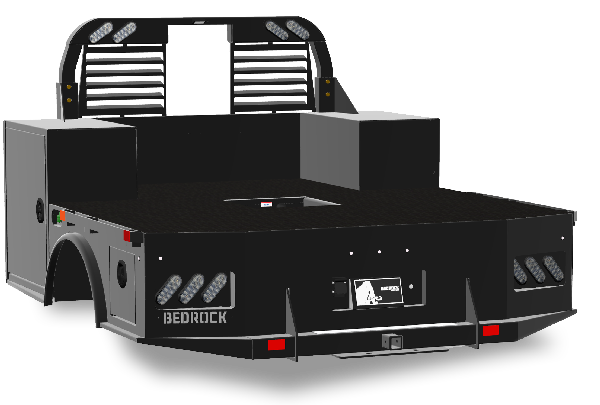
If you handle mixed loads with frequent night‑time operations, the Diamond Granite strikes the right balance of power and price. For specialty cargo—like oversized machinery or hazardous materials—the Diamond Onyx provides the extra security features.
Decision checklist: Is a LED flatbed right for my operation?
- Do you operate night shifts or in low‑light environments?
- Is load visibility a recurring safety concern?
- Does your fleet have adequate electrical capacity (12‑24 V DC) for LED panels?
- Are you aiming to reduce maintenance time and lower fuel consumption?
- Do you need FMCSA‑certified lighting without aftermarket add‑ons?
If you answered yes to three or more, a LED‑equipped flatbed—especially Bedrock’s Diamond series—is a strategic investment.
Frequently Asked Questions (FAQ)
Q1: Can I retrofit an older flatbed with LED lights? A: Yes, but you’ll need a compatible wiring harness, adequate power supply, and possibly new mounting brackets. Bedrock offers retrofit kits for most standard chassis.
Q2: How long do LED panels actually last? A: Quality LEDs rated for automotive use typically exceed 50,000 operating hours, which translates to 10‑12 years of daily use.
Q3: Are LED flatbeds legal in all U.S. states? A: Federal regulations set the baseline; most states follow FMCSA guidelines. Always verify state‑specific rules if you operate cross‑border.
Q4: What warranty does Bedrock provide on its LED systems? A: Bedrock offers a 3‑year warranty on LEDs and a 5‑year structural warranty on the flatbed itself.
Q5: Do LED flatbeds affect fuel economy? A: Indirectly—LEDs draw far less power than halogen lighting, reducing alternator load and improving overall fuel efficiency by up to 0.3%.
Q6: Can the LED system be integrated with a fleet management telematics platform? A: Yes, Bedrock’s optional smart‑monitoring module connects via CAN‑bus to most telematics systems, providing real‑time diagnostics.
Q7: How do I clean the LED lenses without damaging them? A: Use a soft, lint‑free cloth with mild soap and water. Avoid abrasive cleaners or high‑pressure washers.
Q8: What is the IP rating I should look for? A: At minimum IP65 for dust and water resistance; higher ratings (IP66/67) are beneficial for extreme weather regions.
For a deeper dive into Bedrock’s Diamond flatbeds, explore the dedicated product page: Truck flatbed with LED lights
Learn more about FMCSA lighting regulations: FMCSA Lighting Standards
The Illuminating Engineering Society’s guidelines on roadway lighting: IES Lighting Recommendations
Interested in learning more?
Visit our website to explore products, find dealers, and get in touch.
Visit Bedrock Truck Beds →