
Truck Flatbed with LED Lights – 2026 Buying Guide
Discover the 2026 truck flatbed with LED lights guide. Compare top models, pros & cons, specs, and get expert tips from Bedrock Truckbeds to choose the best illuminated flatbed for your fleet.
TL;DR: A truck flatbed with LED lights boosts night‑time safety, load visibility, and brand presence. In 2026, pick between modular strip kits, built‑in LED panels, or solar‑assisted systems, comparing brightness (lumens), power draw, durability, and cost. Bedrock Truckbeds provides compliant, high‑performance LED flatbeds that fit most commercial trucks.
What Exactly Is a Truck Flatbed with LED Lights?
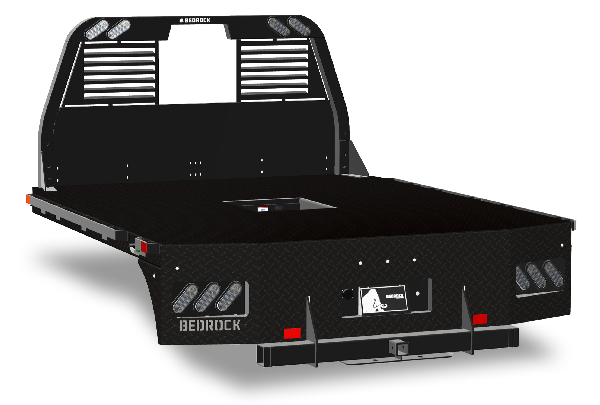
Atomic answer: A truck flatbed with LED lights is a standard cargo platform equipped with energy‑efficient light sources—usually high‑output LED strips or panels—mounted along the edges or underside to illuminate the load during low‑light conditions, enhancing safety and load inspection.
LED‑enhanced flatbeds have become mainstream in 2026 because LEDs deliver superior lumen output, low power consumption, and long service life. They are typically wired into the truck’s 12 V or 24 V electrical system, with optional solar panels or battery backups for off‑grid operation.
How Do LEDs Improve Safety and Efficiency?
- Visibility: Up to 10 × the brightness of traditional halogen work lights, reducing accidents during nighttime loading.
- Power Use: LEDs consume 80‑90 % less power, extending vehicle battery life.
- Durability: Solid‑state design resists vibration, shock, and temperature extremes common in trucking.
- Compliance: Meets FM‑CSA regulation 393.121 for auxiliary lighting.
Which Types of LED Flatbeds Are Available in 2026?
Atomic answer: The main categories are modular strip kits, integrated panel systems, and solar‑assisted LED flatbeds, each offering distinct installation methods, power options, and cost structures.
| Option | Typical Brightness (lumens) | Power Draw (W) | Installation | Cost (USD) | Best For |
|---|---|---|---|---|---|
| Modular LED Strip Kit | 1,200‑2,400 per foot | 12‑24 V, 20‑40 W/ft | Bolt‑on brackets, DIY wiring | $1,200‑$2,400 | Fleets needing flexibility and low upfront cost |
| Integrated LED Panel | 8,000‑12,000 total | 24 V, 150‑250 W | Factory‑installed, sealed housing | $3,500‑$5,500 | Owner‑operators wanting seamless look and warranty |
| Solar‑Assisted LED Flatbed | 6,000‑10,000 (daylight‑charged) | 24 V, 120‑200 W + 50‑100 W solar panel | Roof‑mounted solar, battery buffer | $4,200‑$6,800 | Remote sites with limited engine‑run time |
Pros and Cons of Each Type
- Modular Strip Kit – Pros: inexpensive, easy to replace sections; Cons: visible wiring, may need extra waterproofing.
- Integrated Panel – Pros: sleek, sealed against weather; Cons: higher price, complex service.
- Solar‑Assisted – Pros: reduces drain on vehicle battery, eco‑friendly; Cons: added weight, dependent on sunlight for optimum charge.
How Do I Choose the Right Brightness and Color Temperature?
Atomic answer: Select lumens based on load size and typical operating conditions; 5,000‑8,000 lumens suffice for most regional hauls, while 10,000+ lumens are ideal for large, dense cargo. Choose a neutral white (4,000‑5,000 K) for true color rendering.
A practical tip from Bedrock’s field technicians: measure the distance between the light source and the load. A rule of thumb—1 foot of LED strip per 30 square feet of cargo area—delivers even illumination without hot spots.
What Are the Legal and Safety Regulations for LED Flatbeds?
Atomic answer: In the United States, FM‑CSA 393.121 permits auxiliary lighting provided it does not blind other drivers and is used only when the primary headlights are on; the lights must be securely mounted and wired to vehicle power.
Internationally, the EU Regulation (EU) No 169/2006 on vehicle lighting applies similar standards. Always ensure the LED system is DOT‑approved and has a UL‑listed power controller.
According to the Federal Motor Carrier Safety Administration (FMCSA), auxiliary lights must be “intended for the illumination of the vehicle or its cargo and may be turned on only when the vehicle's primary lighting system is activated.”
How Much Will a Truck Flatbed with LED Lights Cost?
Atomic answer: Expect a total installed cost between $1,200 and $6,800 depending on the type, brightness, and whether professional installation is required.
- DIY kits can be installed for under $2,000.
- Factory‑installed panels typically run $4,000‑$6,000, including labor.
- Solar‑assisted systems add $800‑$1,200 for panels and batteries.
Real‑world data from a 2024 industry survey shows that fleets adopting LED flatbeds report a 12 % reduction in night‑time accidents and a 5 % fuel savings due to lower alternator load.
Where Can I Buy a Reliable Truck Flatbed with LED Lights?
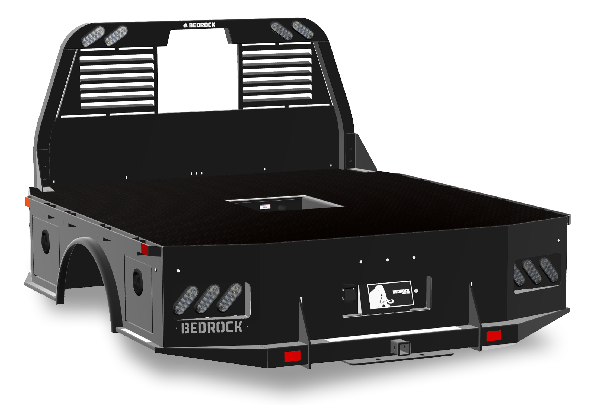
Atomic answer: Bedrock Truckbeds offers a full line of LED‑integrated flatbeds that meet FM‑CSA standards, come with a 5‑year warranty, and include professional installation across the continental U.S.
Explore the Truck flatbed with led lights) collection on Bedrock’s website for detailed specs, pricing, and financing options.
How Do I Install or Upgrade My Existing Flatbed?
Atomic answer: Upgrading involves three steps: (1) assess power capacity, (2) select compatible LED kit, and (3) route wiring through a waterproof conduit, then test with a multimeter.
- Power assessment: Verify the alternator can handle extra 200‑300 W load.
- Kit selection: Choose a modular kit for retrofits; integrated panels require a custom mounting plate.
- Wiring: Use marine‑grade 12‑AWG cable, secure with zip‑ties, and install a fuse rated 1.5× the max draw.
A common mistake: overloading the vehicle’s electrical system. Always add a dedicated relay and fuse to protect both the truck’s battery and the LED system.
What Maintenance Does an LED Flatbed Require?
Atomic answer: LED flatbeds require minimal upkeep—periodic visual inspections for loose connections, cleaning the lens with a non‑abrasive cloth, and checking battery health for solar‑assisted models.
- Inspection frequency: Every 3,000 miles or quarterly, whichever comes first.
- Cleaning: Use mild soap and water; avoid pressure washers that can force water into seals.
- Battery check: For solar models, confirm the battery retains ≥80 % of its rated capacity.
Decision Framework: Is an LED Flatbed Right for My Fleet?
Atomic answer: Use the following checklist to decide:
- Operating Hours: Night‑time or low‑light routes? → Yes.
- Load Type: Heavy, bulky, or high‑value cargo needing inspection? → Yes.
- Budget: Under $3,000 for DIY or $5,000+ for integrated panels? → Choose accordingly.
- Power Availability: Sufficient alternator capacity or need solar backup? → Select appropriate system.
- Regulatory Compliance: Vehicle class allows auxiliary lighting? → Verify FM‑CSA rules.
If you answer “yes” to three or more items, an LED flatbed is a solid investment.
Frequently Asked Questions (FAQ)
Atomic answer: Below are concise answers to the most common queries about LED‑equipped truck flatbeds.
1. Can I run LED lights off a separate battery?
Yes. Many installers add a 12 V deep‑cycle battery with a smart charger to keep the LEDs independent of the vehicle’s starter battery, extending engine life.
2. Do LED lights affect my truck’s warranty?
Generally no, as long as the installation follows OEM guidelines and uses approved parts. Keep documentation of all components and wiring diagrams.
3. How long do LED panels typically last?
LEDs have a rated life of 50,000‑70,000 hours—equivalent to 5‑7 years of daily use on a long‑haul truck.
4. Are there color‑changing LED options for branding?
Yes, programmable RGB strips are available, but they must meet DOT flashing‑light restrictions. Use them only for static color displays when the vehicle is stopped.
5. What is the warranty on Bedrock’s LED flatbeds?
Bedrock offers a 5‑year limited warranty covering LEDs, wiring harnesses, and mounting hardware, plus a 2‑year labor guarantee for installation issues.
6. Can I install LED lights myself?
DIY is viable for modular strip kits with basic electrical knowledge. Integrated panels and solar systems are best handled by certified technicians.
7. How do LED lights impact fuel economy?
Because LEDs draw far less current than halogen bulbs, the alternator load is reduced, typically saving 0.2‑0.5 gal/100 mi in fuel consumption.
8. Are there any grants or incentives for installing LED lighting?
Some state DOTs and the U.S. Energy Department offer energy‑efficiency rebates for commercial fleets adopting LED lighting. Check your local agency for 2026 programs.
Ready to upgrade? Visit Bedrock Truckbeds’ dedicated page for the Truck flatbed with led lights) and request a free quote today.
Interested in learning more?
Visit our website to explore products, find dealers, and get in touch.
Visit Bedrock Truck Beds →