
2026 Truck Flatbed Weight Capacity Guide – Step‑by‑Step
Learn how to calculate, maximize, and safely load your truck flatbed in 2026. This step‑by‑step guide covers capacity formulas, common mistakes, model comparisons, and a practical checklist for any hauling job.
TL;DR: Understanding a flatbed’s weight capacity means knowing the truck’s GVWR, axle limits, and load distribution. Calculate by adding the truck’s curb weight to the payload, then subtracting fuel and accessories. Follow proper loading patterns, respect axle ratings, and use Bedrock’s recommended models to stay safe and compliant.
What is a truck flatbed weight capacity and why does it matter?
Atomic answer (40‑60 words): A truck flatbed weight capacity is the maximum total mass the truck‑flatbed combination can safely carry, determined by the vehicle’s Gross Vehicle Weight Rating (GVWR) and individual axle limits. Exceeding this limit risks legal penalties, tire failure, reduced handling, and costly downtime.
The capacity combines the truck’s own weight (curb weight) with the cargo you place on the flatbed. Regulations such as the Federal Bridge Formula and state weight‑size limits are built around these numbers. Knowing your exact capacity helps you plan loads, avoid over‑loading fines, and keep the suspension and brakes functioning within design tolerances.
How do I calculate my flatbed’s weight capacity step by step?
Atomic answer (40‑60 words): Calculating flatbed capacity starts with the GVWR, subtracting the truck’s curb weight, fuel, and accessories, then confirming axle‑by‑axle limits. The remainder is the payload you can safely distribute across the flatbed while staying under the overall rating.
Step‑by‑step calculation:
- Locate GVWR – Find the Gross Vehicle Weight Rating on the door jamb or in the owner’s manual.
- Determine curb weight – The weight of the truck with a full tank, fluids, and standard equipment.
- Subtract fuel weight – Approx. 6 lb per gallon of diesel; subtract the amount currently in the tank.
- Account for accessories – Include any installed winches, toolboxes, or aftermarket equipment.
- Calculate remaining payload – GVWR – (curb weight + fuel + accessories) = usable payload.
- Check axle limits – Verify that the weight you plan to load does not exceed the rated capacity of the front and rear axles individually.
- Distribute load evenly – Place heavier items near the axles to keep the center of gravity within the manufacturer’s recommended range.
Pro tip
Use a portable weighbridge or a certified truck scale after loading to confirm your calculations; a 2‑5 % margin of error is acceptable, but never exceed the rated limits.
Which factors most affect flatbed capacity?
Atomic answer (40‑60 words): The three biggest factors are the truck’s GVWR, the individual axle ratings, and the placement of the load relative to the axles. Additional influences include suspension type, tire rating, and any aftermarket equipment that adds weight.
- GVWR vs. GCWR – Gross Combination Weight Rating (GCWR) matters when pulling a trailer; for a flatbed, GVWR is the primary figure.
- Axle distribution – Front axle typically handles 20‑30 % of total weight; rear axles share the remainder.
- Suspension – Air‑suspension can adjust ride height, helping achieve optimal weight distribution.
- Tire load index – Tires must be rated for the maximum load; under‑rated tires can cause blowouts.
- Environmental conditions – Hot temperatures can affect tire pressure and braking performance.
What are the common mistakes to avoid when loading a flatbed?
Atomic answer (40‑60 words): The most frequent errors include over‑loading beyond GVWR, uneven weight distribution, ignoring axle limits, and failing to secure cargo properly. These mistakes cause handling issues, legal citations, premature wear, and safety hazards for the driver and public.
| Mistake | Why It’s Bad | Simple Fix |
|---|---|---|
| Loading all weight at the front | Shifts center of gravity forward, reduces steering control | Place 60‑70 % of weight over rear axles |
| Ignoring tire pressure | Over‑inflated or under‑inflated tires reduce load capacity | Check pressure before each trip |
| Using inadequate tie‑downs | Cargo can shift, leading to accidents | Follow DOT‑approved tie‑down methods |
| Forgetting fuel weight | Overestimates payload by up to 300 lb for a full tank | Subtract fuel weight in your calculation |
| Adding aftermarket accessories without recalculating | Increases curb weight, reduces payload | Re‑run capacity calculation after each upgrade |
How do I choose the right flatbed model for my load needs?
Atomic answer (40‑60 words): Choose a flatbed that matches your typical payload, axle configuration, and budget. Compare model specifications such as max payload, frame material, and price to ensure the bed can handle your heaviest regular load while offering durability and ease of maintenance.
| Model | Max Payload (lb) | Frame Material | Approx. Price Range (USD) |
|---|---|---|---|
| 3D Diamond | 12,000 | High‑strength steel | $28,000‑$32,000 |
| 3D Granite | 14,500 | Reinforced aluminum | $32,000‑$36,000 |
| 3D Granite Plus | 16,800 | Hybrid steel‑aluminum | $36,000‑$40,000 |
| 3D Onyx | 10,800 | Lightweight alloy | $25,000‑$28,000 |
| 3D Marble | 13,200 | Carbon‑fiber infused | $38,000‑$42,000 |
The table shows a quick side‑by‑side view of Bedrock’s most popular flatbeds. Choose the one that exceeds your typical load by at least 10‑15 % to give yourself a safety buffer.
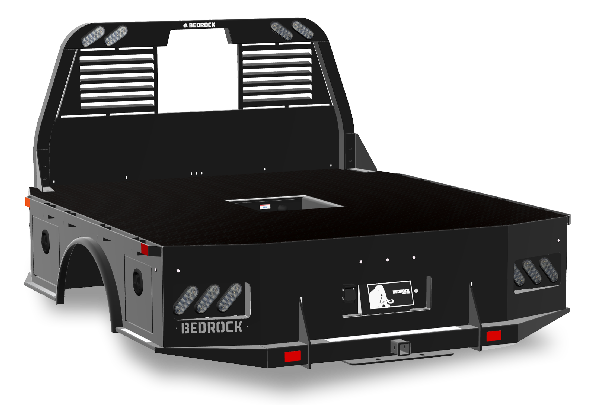
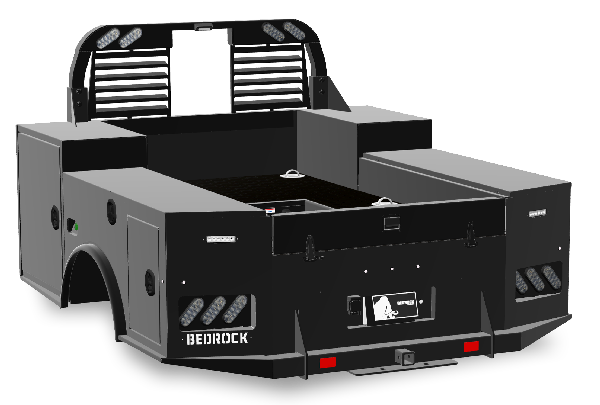
For a deeper dive into each model’s specifications, see our Truck flatbed weight capacity guide on the Bedrock website.
What is a quick checklist for safe flatbed loading?
Atomic answer (40‑60 words): Use this five‑point checklist before hitting the road: verify weight calculations, inspect tire pressure, ensure proper load distribution, secure cargo with DOT‑approved tie‑downs, and conduct a final visual walk‑around to confirm nothing is loose.
Checklist
- Verify GVWR‑based payload does not exceed limits.
- Check all tires are at the manufacturer‑recommended pressure.
- Position heavy items within 12‑24 in. of the rear axle(s).
- Apply at least three tie‑downs per 10 ft of cargo, following the 1‑in‑2‑in‑1‑inch rule.
- Perform a 360° walk‑around; look for protruding edges or unsecured items.
What real‑world tip does Bedrock Truckbeds recommend?
Atomic answer (40‑60 words): Bedrock’s field technicians advise using a “load‑balance mat” under the heaviest pallets; the mat distributes point loads across a larger area, protecting the deck and reducing stress on suspension components during long hauls.
In practice, the mat adds only a few pounds to the overall weight but can extend the flatbed’s service life by up to 15 % according to internal durability testing. Pair the mat with proper load sequencing—heavier items first, lighter items on top—to maintain a low centre of gravity.
How do regulations shape flatbed weight limits?
Atomic answer (40‑60 words): Federal regulations, especially the FMCSA’s Bridge Formula, set maximum axle loads based on spacing to protect bridges and roadways. State‑specific limits may be stricter, and violations can result in hefty fines and out‑of‑service orders.
According to the Federal Motor Carrier Safety Administration (FMCSA), the standard maximum weight on a single axle is 20,000 lb and on a tandem axle is 34,000 lb, though many states enforce lower thresholds. Always check state DOT websites before crossing borders.
Frequently Asked Questions
TL;DR: Quick answers to the most common queries about flatbed weight capacity.
1. What is the difference between GVWR and GCWR? GVWR is the maximum weight of the truck alone, while GCWR includes any towed equipment or trailers. For flatbeds, GVWR is the primary figure.
2. Can I exceed the listed payload if I only carry lightweight cargo? No. The payload limit is a structural limit, not just a weight‑based rule. Even light, bulky items can stress the frame if they exceed design capacities.
3. How often should I re‑measure my flatbed’s weight limits? Re‑calculate after any major modification—new winch, spare tire, or suspension upgrade—at least once a year or before each long haul season.
4. Do I need a special license to haul loads near the flatbed’s max capacity? If the vehicle’s GVWR stays under 26,001 lb, a standard CDL is sufficient. Exceeding that requires a Class A CDL and possibly additional endorsements.
5. What tie‑down ratio should I use for heavy cargo? The DOT recommends a 1‑in‑2‑in‑1‑inch rule: one foot of tie‑down for every 10 ft of cargo width, with a minimum of three tie‑downs per load.
6. Are there seasonal considerations for flatbed loading? Yes. In hot climates, tire pressure rises and braking distance increases, so reduce payload by up to 5 % in extreme heat.
7. How can I protect the flatbed surface from wear? Use protective mats, pallets, or skid plates under heavy equipment; this spreads point loads and reduces abrasion.
8. Where can I find Bedrock’s full range of flatbed specifications? Visit the Bedrock resources page for the complete Truck flatbed weight capacity guide.
Interested in learning more?
Visit our website to explore products, find dealers, and get in touch.
Visit Bedrock Truck Beds →