
Truck Flatbed Weight Capacity Guide 2026: Steps & Tips
Learn the 2026 truck flatbed weight capacity guide with step‑by‑step calculations, common mistakes, and expert tips to keep your loads safe and compliant. Read now!
TL;DR: A truck flatbed weight capacity guide explains how to calculate the maximum safe payload by subtracting the truck’s curb weight from its Gross Vehicle Weight Rating (GVWR) and considering axle limits. Follow our numbered steps, consult the size‑capacity table, use real‑world tips, and avoid common overload errors to keep your loads legal and secure in 2026.
What is truck flatbed weight capacity and why does it matter?
Atomic answer (40‑60 words): Truck flatbed weight capacity is the highest total load—including cargo, passengers, and fuel—that a flatbed truck can legally and safely carry. It matters because exceeding this limit risks equipment damage, driver safety, costly fines, and non‑compliance with FMCSA regulations.
Understanding weight capacity protects your investment, minimizes downtime, and ensures you meet the 2026 safety standards set by the Federal Motor Carrier Safety Administration (FMCSA). Knowing the limit also helps you choose the right flatbed size for your most common jobs, preventing over‑engineering or under‑utilization.
How do I calculate my truck’s flatbed weight capacity?
Atomic answer (40‑60 words): Calculate flatbed capacity by (1) locating the vehicle’s Gross Vehicle Weight Rating (GVWR) on the door jamb, (2) subtracting the truck’s curb weight, and (3) confirming axle‑by‑axle limits. This yields the maximum payload you can load safely.
Step‑by‑step calculation
- Find the GVWR – Look on the driver’s side door jamb; it’s listed in pounds (e.g., 26,000 lb).
- Determine curb weight – This is the weight of the truck with fluids, a full tank, and no cargo. Usually found in the owner's manual or on the manufacturer’s spec sheet.
- Subtract curb weight from GVWR –
Payload = GVWR – Curb Weight. The result is the absolute payload capacity. - Check axle limits – Review the front and rear axle ratings (often on a placard inside the cab). Ensure your cargo distribution does not exceed these values.
- Apply a safety factor – Industry best practice is to keep actual load ≤ 90 % of the calculated payload to accommodate dynamic forces.
Example: A 2026 16‑ft flatbed lists GVWR = 30,000 lb and curb weight = 14,500 lb. Payload = 15,500 lb. If the rear axle is rated for 18,000 lb, loading 12,000 lb on the bed and 3,500 lb on the front stays within limits.
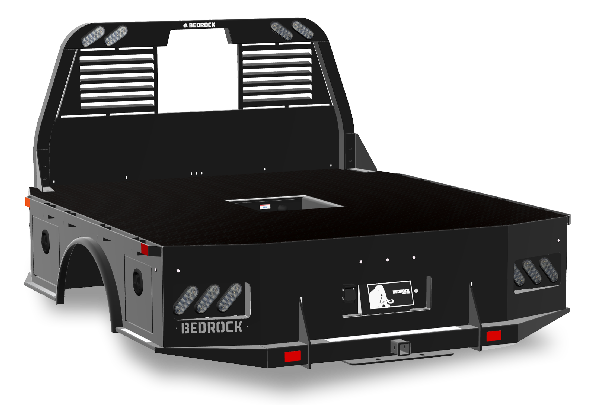
Which flatbed size matches my payload needs?
Atomic answer (40‑60 words): Selecting the right flatbed size depends on the payload you calculated, the typical cargo dimensions, and the axle configuration of your truck. Use a size‑to‑capacity matrix to compare common bed lengths and their maximum payloads.
| Bed Length | GVWR Range (lb) | Max Payload (lb) | Typical Use Cases |
|---|---|---|---|
| 12 ft | 22,000‑26,000 | 7,500‑10,000 | Light construction, landscaping |
| 16 ft | 26,000‑30,000 | 10,500‑15,500 | General contracting, equipment transport |
| 20 ft | 30,000‑35,000 | 14,000‑19,000 | Heavy-duty hauling, modular units |
| 24 ft | 35,000‑40,000 | 18,500‑24,000 | Large‑scale industrial loads |
When your payload sits near the top of a range, consider a longer bed or a higher‑rated chassis to avoid constantly operating at the limit.
What are the top three tips to maximize safe payload?
Atomic answer (40‑60 words): 1) Distribute weight evenly between axles, 2) Secure cargo with proper tie‑downs, and 3) Regularly inspect tire pressure and suspension components. These practices keep the truck balanced, reduce stress on the frame, and maintain compliance.
- Even load distribution – Place heavier items over the rear axle but keep some weight forward to balance the front. Use a load‑distribution diagram if available.
- Tie‑down correctly – Use industry‑approved straps, chains, or binders. Attach at least two points per load and follow the ⅓‑rule (no individual strap should bear more than one‑third of the load).
- Maintain tires and suspension – Under‑inflated tires increase rolling resistance and can falsely indicate a lower payload capacity. Check pressure weekly and inspect springs, shocks, and bushings for wear.
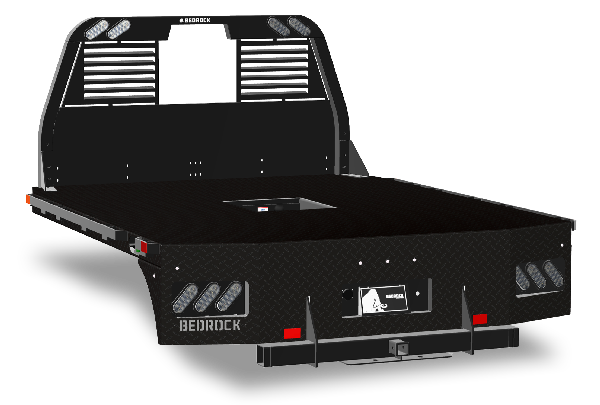
What common mistakes cause overload and how to avoid them?
Atomic answer (40‑60 words): The most frequent errors are (1) ignoring axle ratings, (2) misreading GVWR versus curb weight, and (3) neglecting dynamic loading forces when the truck is in motion. Double‑check each factor before loading and use a safety margin.
| Mistake | Why It Happens | How to Prevent |
|---|---|---|
| Assuming GVWR = Payload | Confusing GVWR with payload capacity | Subtract curb weight and apply safety factor |
| Overloading a single axle | Loading all weight at the back of the bed | Use a load‑distribution chart; spread cargo across the deck |
| Ignoring dynamic forces | Forgetting that braking and cornering add stress | Keep actual load ≤ 90 % of calculated limit |
| Skipping tie‑down checks | Relying on cargo shape alone | Perform a pre‑departure inspection of all restraints |
How does Bedrock Truckbeds help you stay within capacity?
Atomic answer (40‑60 words): Bedrock Truckbeds offers engineered flatbeds with built‑in weight‑distribution features, reinforced frames, and clear capacity markings, enabling you to load confidently within legal limits. Their design resources, like the [Truck flatbed weight capacity guide](https://www.bedrocktruckbeds.com/resources/brand-guide), simplify compliance.
Bedrock’s modular designs let you swap deck lengths without changing the chassis, preserving the original GVWR rating. Each model includes a stamped capacity label and an online calculator that cross‑references your truck’s VIN to ensure you never exceed the manufacturer’s specifications.
Quick decision checklist for safe loading
Atomic answer (40‑60 words): Before you drive, confirm GVWR, subtract curb weight, verify axle limits, distribute cargo evenly, secure with approved tie‑downs, and inspect tires. Follow this checklist to guarantee you stay under the calculated payload and avoid costly violations.
Checklist
- Locate GVWR and curb weight on the vehicle.
- Calculate maximum payload (GVWR – curb weight).
- Compare calculated payload with the bed’s published max.
- Distribute weight to keep front/rear axle loads within limits.
- Secure cargo using at least two tie‑down points per item.
- Check tire pressure and suspension condition.
- Apply a 10 % safety margin.
Frequently Asked Questions
Atomic answer (40‑60 words): Below are concise answers to the most common questions about flatbed weight capacity, from legal limits to practical loading techniques. Use these quick references when planning a job or reviewing a load plan.
What is the legal definition of GVWR? GVWR (Gross Vehicle Weight Rating) is the maximum allowable weight of a vehicle plus its payload, as defined by the manufacturer and enforced by the FMCSA.
Can I exceed the payload if I use a trailer? No. The combined weight of the truck and any attached trailer must stay within the truck’s GVWR and each axle’s rating.
How often should I re‑check my tire pressure? At least weekly and before any long haul or heavy‑load job. Temperature changes affect pressure, influencing load‑capacity calculations.
Do I need to consider weight distribution when using a crane? Absolutely. Crane lifts add dynamic forces; always keep the load within 90 % of the calculated payload and use a spotter to monitor axle stress.
Where can I find Bedrock’s official capacity charts? Visit the [Truck flatbed weight capacity guide](https://www.bedrocktruckbeds.com/resources/brand-guide) on Bedrock’s website for up‑to‑date specifications for every model.
What external standards should I follow? Follow the FMCSA’s Commercial Driver’s License (CDL) Regulations and the Society of Automotive Engineers (SAE) J2450 weight‑distribution guidelines.
All weight figures are based on 2026 model specifications and may vary by manufacturer. Always verify with your specific vehicle’s documentation before loading.
Interested in learning more?
Visit our website to explore products, find dealers, and get in touch.
Visit Bedrock Truck Beds →