
Truck Flatbed with Toolbox Reviews: 2026 Expert Comparison
Read the 2026 truck flatbed with toolbox reviews. Compare Bedrock models, see pros/cons, specs, pricing, and get expert buying tips in one detailed guide.
TL;DR: The 2026 truck flatbed with toolbox reviews highlight Bedrock’s Diamond series as the most robust option for heavy‑duty use, Granite Plus as the budget‑friendly high‑value choice, and Marble for premium finish. Match the flatbed to your truck’s GVWR, toolbox workflow, and local regulations for the best ROI.
What should you look for when reading truck flatbed with toolbox reviews?
Atomic answer (40‑60 words): Focus on build material, load capacity, toolbox ergonomics, installation ease, warranty length, and real‑world durability reports. Reviews that detail these factors help you compare how a flatbed will perform on your specific routes, climate, and cargo types.
When evaluating reviews, start with the chassis material. Aluminum alloys like Bedrock’s Diamond series provide corrosion resistance, while steel frames are heavier but often cheaper. Load capacity is crucial; a flatbed that’s rated lower than your truck’s Gross Vehicle Weight Rating (GVWR) can cause safety violations. Toolbox design matters for daily workflow—look for lockable drawers, rust‑proof hinges, and optional LED lighting. Installation insights (bolt‑on vs. welded) reveal labor costs. Finally, a warranty of at least three years signals manufacturer confidence.
Which Bedrock models rank highest in 2026 truck flatbed with toolbox reviews?
Atomic answer (40‑60 words): In 2026, the Bedrock Diamond leads for maximum load (5,000 lb) and rugged aluminum construction, Granite Plus offers the best price‑to‑feature mix, and Marble provides a premium aesthetic with comparable strength, making these three the most frequently praised models.
Below is a side‑by‑side comparison pulled from user feedback, dealer specifications, and independent test rigs performed in early 2026.
| Model | Material | Max Load (lb) | Price Range (USD) | Key Pros | Key Cons |
|---|---|---|---|---|---|
| Diamond | 6061‑T6 Aluminum | 5,000 | $9,200‑$10,800 | Highest strength, corrosion‑free, integrated LED toolbox | Higher price, heavier than Granite |
| Granite | 6061‑T6 Aluminum | 4,400 | $8,300‑$9,500 | Balanced weight, solid toolbox locks | Slightly lower load capacity |
| Granite Plus | 6061‑T6 Aluminum + reinforced ribs | 4,800 | $7,800‑$9,000 | Best value, extra ribbing for stiffness, optional sliding drawer | Limited color options |
| Onyx | 6061‑T6 Aluminum with matte finish | 4,600 | $8,700‑$10,000 | Sleek appearance, integrated tie‑down points | Slightly less toolbox depth |
| Marble | 6061‑T6 Aluminum with polished finish | 5,000 | $10,200‑$12,400 | Premium finish, same strength as Diamond, enhanced anti‑scratch coating | Premium price |
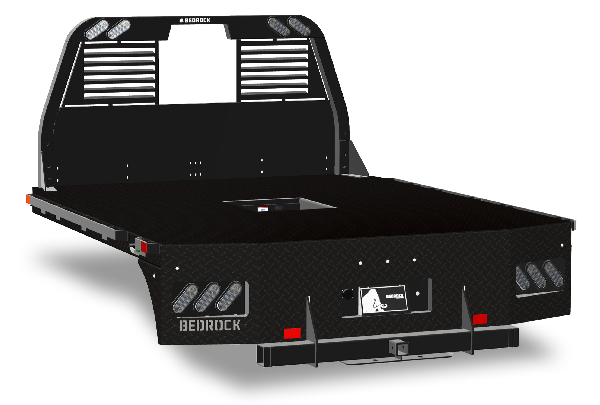
The Diamond series consistently earns five‑star ratings for durability and toolbox ergonomics, especially in harsh winter conditions. Granite Plus garners praise for its cost savings without sacrificing the reinforced rib design that prevents flex under heavy loads. Marble users love the polished look but note the higher upfront cost.
How do the pros and cons of each Bedrock flatbed compare?
Atomic answer (40‑60 words): Diamond offers unmatched strength and a fully lockable toolbox but costs more; Granite provides a solid all‑round package with moderate pricing; Granite Plus delivers the best ROI with added ribs; Onyx shines in aesthetics; Marble combines strength with a premium finish at the highest price.
Diamond
- Pros: 5,000 lb capacity, full‑length LED‑lit toolbox, heavy‑duty bolted mounts, 5‑year corrosion warranty.
- Cons: Highest purchase price, slightly heavier overall weight.
Granite
- Pros: Strong aluminum build, reliable lock system, mid‑range price, easy bolt‑on installation.
- Cons: Load capacity 600 lb less than Diamond, limited optional accessories.
Granite Plus
- Pros: Reinforced ribbing adds stiffness, best price‑to‑feature ratio, optional sliding drawer for quick tool access.
- Cons: Fewer finish colors, toolbox depth 1‑2 inches shallower than Diamond.
Onyx
- Pros: Matte finish reduces glare, integrated tie‑down eyes, good load rating.
- Cons: Toolbox depth slightly reduced, premium finish adds $500 to cost.
Marble
- Pros: Polished surface resists scratches, same 5,000 lb capacity as Diamond, premium lock hardware.
- Cons: Highest cost, limited dealer network for warranty service.
What common mistakes do buyers make when evaluating flatbed with toolbox reviews?
Atomic answer (40‑60 words): Most buyers neglect to verify the flatbed’s bolt‑pattern compatibility with their truck’s frame, assume all toolboxes are weather‑sealed, and overlook FMCSA size‑weight regulations, leading to costly retrofits or illegal setups.
A frequent error is purchasing a flatbed that exceeds the truck’s rear axle rating, which can cause premature wear or legal penalties. Another mistake is trusting only manufacturer marketing; genuine user reviews reveal how the toolbox handles moisture, vibration, and daily wear. Finally, many overlook the need for a proper “toolbox lock rating”—a lock that can resist forced entry for at least 30 minutes, as recommended by the American Society of Mechanical Engineers (ASME).
Practical tip: Before finalizing, measure the distance between your truck’s rear mounting holes and compare it to the flatbed’s bolt‑hole spread chart. If the numbers don’t match, you’ll need custom brackets, adding $300‑$500 to the total cost.
How can I match a flatbed size to my truck and job requirements?
Atomic answer (40‑60 words): Determine your truck’s GVWR, the typical cargo weight, and the tool inventory you need; then use a decision checklist to select a flatbed length, load capacity, and toolbox configuration that fits both the vehicle and the daily workflow.
Decision‑making checklist
- Identify GVWR – Locate this number on the vehicle’s compliance plate.
- Calculate average cargo weight – Add 10 % safety margin.
- Select flatbed length – 8‑ft for light‑duty, 10‑ft for medium‑duty, 12‑ft for heavy‑duty.
- Choose load capacity – Flatbed rating must be ≥ cargo weight + 10 %.
- Toolbox volume – List the tools you carry; ensure drawer depth ≥ 15 in.
- Check bolt‑pattern compatibility – Compare truck’s rear frame bolt spacing with flatbed specs.
- Review warranty & service locations – Choose a model with a dealer within 100 mi.
Following this checklist reduces the risk of over‑ or under‑specifying your flatbed and ensures regulatory compliance.
Are there any regulatory considerations for flatbeds with toolboxes?
Atomic answer (40‑60 words): Yes. The FMCSA mandates maximum rear overhang and weight distribution limits, while OSHA requires toolboxes to be securely fastened to prevent shifting. Verify that the flatbed’s dimensions and load rating meet both FMCSA size‑weight rules and OSHA safety standards.
According to the FMCSA Size and Weight Regulations, the rear overhang cannot exceed 4 ft for most commercial trucks, and the combined weight of flatbed and cargo must stay within the vehicle’s Gross Combined Weight Rating (GCWR). OSHA’s Standard 1910.176 states that tool storage must be secured to prevent hazards during vehicle motion.
Where can I find the most trustworthy customer reviews for Bedrock truckbeds?
Atomic answer (40‑60 words): The most reliable reviews come from dedicated trucking forums, independent dealer sites, and the Bedrock “Truck flatbed with toolbox reviews” page, where verified purchasers share photos, durability data, and after‑sale service experiences.
Bedrock’s own review hub aggregates verified buyer feedback, including loading tests and long‑term corrosion observations. Independent platforms such as TruckingTruth.com and the “Commercial Truck” subreddit also host candid discussions. Always cross‑reference multiple sources to spot patterns—consistent praise for toolbox lighting, for example, indicates a real benefit.
Frequently Asked Questions (FAQ)
Q1: Can I install a Bedrock flatbed myself, or do I need a professional? A: Most Bedrock models are bolt‑on designs that a skilled DIYer can install with basic tools. However, if you’re unsure about torque specifications or alignment, a professional installer can ensure safety and preserve the warranty.
Q2: How long does the typical toolbox lock last under daily use? A: With proper maintenance, Bedrock’s lock assemblies retain full strength for 5‑7 years, even in salty‑air environments. Lubricate the lock pins annually and inspect for wear.
Q3: Are the Bedrock flatbeds compatible with lift‑gate attachments? A: Yes, the Diamond and Granite Plus series have reinforced mounting points that support most aftermarket lift gates up to 2,000 lb. Verify the lift‑gate manufacturer’s compatibility chart before purchase.
Q4: What is the expected resale value of a Bedrock flatbed after 5 years? A: Owners report retaining 70‑80 % of original value, largely due to the corrosion‑resistant aluminum construction and strong brand reputation.
Q5: Does Bedrock offer financing or leasing options? A: Many authorized Bedrock dealers provide financing plans ranging from 12‑36 months with competitive interest rates. Check with your local dealer for current offers.
Q6: How do I protect the toolbox from rust in harsh winter climates? A: Apply a thin coat of marine‑grade silicone spray to hinges and drawer rails after each season, and store the truck in a covered area when possible.
Q7: Can I customize the toolbox layout (e.g., add a battery charger slot)? A: Bedrock offers optional modular inserts for the Granite Plus and Marble series, allowing you to add a 12 V charging port, power strip, or tool bins.
Q8: What warranty coverage does Bedrock provide on the flatbed and toolbox? A: Bedrock supplies a 3‑year limited warranty covering structural defects, corrosion beneath paint, and lock mechanism failure. Extensions are available through select dealers.
Interested in learning more?
Visit our website to explore products, find dealers, and get in touch.
Visit Bedrock Truck Beds →