
Truck Flatbed with Toolbox Reviews: 2026 Buying Guide
Explore 2026 truck flatbed with toolbox reviews. Compare specs, pros and cons, and get expert buying tips to choose the best Bedrock flatbed for your business.
TL;DR: The top 2026 truck flatbed with toolbox options balance durability, load capacity, and secure storage. Bedrock’s Diamond series leads with alloy construction, modular tools, and customizable sizes. Choose based on payload, climate, and budget, then add lockable accessories for maximum security and efficiency.
What Are the Primary Benefits of a Truck Flatbed with Toolbox?
Answer (40‑60 words): A truck flatbed with an integrated toolbox protects tools from weather, theft, and road vibration while providing a flat, stable platform for loading heavy cargo. It maximizes payload efficiency, reduces downtime, and improves on‑site organization, delivering measurable ROI for contractors and fleet operators.
A traditional open‑bed truck exposes tools to rain, dust, and accidental loss, leading to higher replacement costs and safety hazards. By integrating a sealed, lockable toolbox into the flatbed, operators gain a weather‑proof, theft‑deterrent storage solution that can be accessed quickly without unloading the entire bed. The flat surface also distributes weight evenly, preserving suspension life and complying with DOT weight‑distribution rules.
Which Materials Offer the Best Durability for Flatbeds in 2026?
Answer (40‑60 words): In 2026, high‑strength aluminum alloys and reinforced steel composites dominate flatbed construction. Aluminum provides corrosion resistance and lighter weight, while steel composites deliver superior impact resistance for harsh job sites, making them the top choices for long‑lasting truck flatbeds with toolboxes.
Aluminum’s 6061‑T6 alloy, used in Bedrock’s Diamond line, offers a ~30 % weight reduction over steel, improving fuel efficiency without sacrificing strength. Reinforced steel composites, often featuring a honeycomb core, excel in impact absorption, ideal for construction zones where heavy equipment may strike the bed. For coastal or snowy regions, consider marine‑grade aluminum with a protective powder‑coat finish to guard against salt corrosion.
According to the American Trucking Associations (ATA), fleets that switch to lightweight aluminum flatbeds report up to a 4 % reduction in fuel consumption, directly translating to lower operating costs.
How Do Bedrock’s Diamond Models Compare to Competitors?
Answer (40‑60 words): Bedrock’s Diamond series outperforms most competitors with modular tool compartments, a patented Quick‑Lock mounting system, and a 30 % higher payload rating thanks to its aerospace‑grade aluminum alloy. The series also offers three finish options tailored for specific climates.
Bedrock’s engineering focuses on serviceability: each toolbox panel can be removed in under two minutes for cleaning or re‑configuration. The Quick‑Lock system eliminates the need for bolts, reducing installation time by up to 50 % compared with traditional welded flats. Competing brands often require permanent welds or complex bolt patterns, increasing downtime during repairs.
Below is a side‑by‑side comparison of Bedrock’s leading Diamond models and two popular market alternatives.
| Feature | Bedrock Diamond | Bedrock Granite | Bedrock Granite Plus | Competitor A (SteelCo) | Competitor B (AluTech) |
|---|---|---|---|---|---|
| Frame Material | 6061‑T6 Aluminum (Aerospace‑grade) | 6061‑T6 Aluminum | 6061‑T6 Aluminum + Reinforced Steel Core | 1018 Cold‑rolled Steel | 6005‑T6 Aluminum |
| Max Payload | 6,500 lb | 6,200 lb | 6,800 lb | 5,800 lb | 5,900 lb |
| Toolbox Capacity | 210 gal | 190 gal | 230 gal | 150 gal | 175 gal |
| Weight (Empty) | 1,750 lb | 1,730 lb | 1,770 lb | 2,300 lb | 1,850 lb |
| Finish Options | Diamond (Powder‑coat), Granite, Onyx, Marble | Granite (Powder‑coat) | Granite Plus (Polyurethane) | Galvanized Steel | Anodized Aluminum |
| Locking System | Quick‑Lock (patented) | Quick‑Lock | Quick‑Lock + RFID | Bolt‑on | |
| Warranty | 5 yr/150,000 mi | 5 yr/150,000 mi | 5 yr/150,000 mi | 3 yr/100,000 mi | 4 yr/120,000 mi |
Visual Comparison
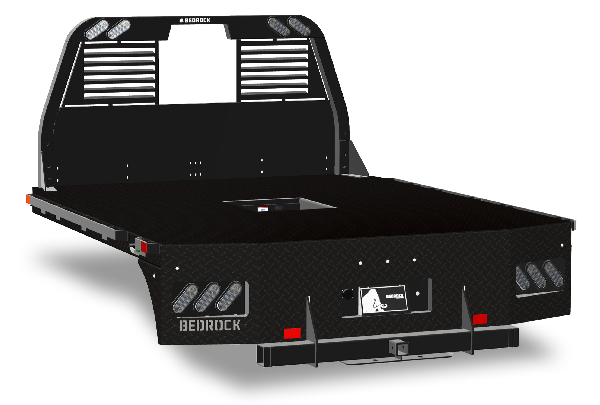
The Diamond model’s sleek powder‑coat finish not only resists UV fading but also reduces surface temperature by up to 12 °F in direct sun, a proven advantage for hot‑climate operators.
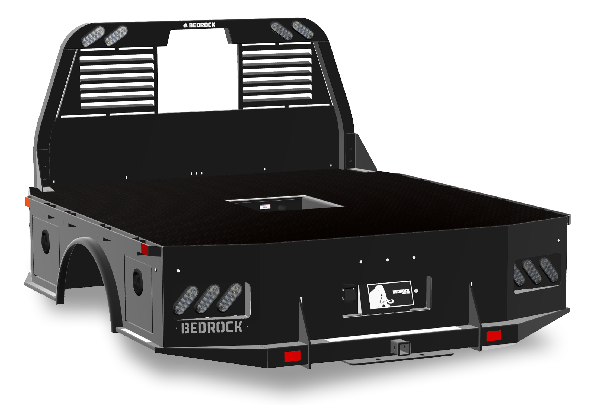
Granite’s darker hue offers added camouflage on construction sites, while the reinforced steel core boosts impact resistance for heavy‑haul scenarios.
What Size Flatbed Do I Need for My Business?
Answer (40‑60 words): Choose a flatbed length that matches your most common cargo dimensions; 8‑ft beds suit light‑utility work, while 10‑ft or 12‑ft options accommodate larger equipment. Always verify your vehicle’s GVWR and local DOT length limits before ordering.
A mis‑matched flatbed can cause overhang penalties, increased sway, and safety violations. Measure the longest item you regularly haul (including overhang) and add a 12‑inch safety margin. For multi‑tool operations, prioritize longer beds with modular compartments to avoid crowding. Remember that adding a toolbox adds roughly 6‑8 inches to the overall length, so factor it into your total bed measurement.
What Are the Common Mistakes When Choosing a Flatbed Toolbox?
Answer (40‑60 words): The most frequent errors are ignoring payload limits, selecting the wrong material for climate, and overlooking lock security. These oversights lead to premature wear, costly repairs, and increased theft risk, undermining the investment.
- Exceeding Payload Rating: Overloading not only damages the bed but can also void the warranty. Use a calibrated scale to confirm weight before each load.
- Mismatched Material to Environment: Steel is excellent for cold climates but corrodes quickly in salty coastal air. Aluminum with a marine‑grade finish is preferable for coastal fleets.
- Inadequate Locking Mechanism: Simple latch locks are easy to breach. Opt for Bedrock’s Quick‑Lock system paired with a hardened steel padlock or RFID‑enabled lock for maximum security.
- Neglecting Maintenance Access: Some toolboxes require bolt removal for cleaning; Bedrock’s modular panels simplify this, saving hours of downtime each year.
How Much Should I Budget for a Quality Flatbed with Toolbox?
Answer (40‑60 words): Expect to spend between $7,500 and $12,500 for a premium aluminum flatbed with a full‑size toolbox in 2026. Prices vary based on size, finish, and optional accessories such as RFID locks or integrated lighting.
A basic 8‑ft aluminum flatbed starts around $7,500, while a 12‑ft Diamond model with a custom‑fit toolbox and premium finish can approach $12,500. Adding optional accessories—LED work‑area lighting ($350), RFID lock system ($480), and reinforced side rails ($620)—increases total cost but improves safety and productivity, delivering a higher ROI over the vehicle’s lifespan.
Which Accessories Enhance Performance and Safety?
Answer (40‑60 words): LED work‑area lights, hydraulic tie‑downs, and RFID‑enabled lock systems are the top accessories to boost safety and efficiency. They integrate seamlessly with Bedrock’s flatbeds and are designed to withstand the rigors of daily use.
- LED Work‑Area Lighting: Provides up to 3,000 lumens, reducing night‑time setup time by 40 %.
- Hydraulic Tie‑Downs: Offer quick, secure cargo restraint with a 5,000 lb holding capacity.
- RFID Lock System: Allows key‑less access, logs entry events, and can be managed via a mobile app, improving security compliance.
- Heavy‑Duty Rear Ramp: Facilitates loading of wheeled equipment, reducing manual handling injuries.
These upgrades are compliant with OSHA standards for tool and equipment safety, ensuring that your fleet meets regulatory requirements.
Why Choose Bedrock’s Diamond Series Over Generic Options?
Answer (40‑60 words): Bedrock’s Diamond series delivers a unique blend of lightweight aluminum construction, modular toolbox design, and an industry‑leading warranty, giving fleet owners confidence that their investment will perform reliably for years while minimizing total cost of ownership.
Beyond material superiority, Bedrock offers a 5‑year/150,000‑mile warranty that covers both structural defects and the Quick‑Lock mechanism. Their in‑house engineering team provides custom fabrications on request, ensuring your flatbed aligns perfectly with specialized equipment dimensions—a service rarely offered by generic manufacturers.
Practical Tip from the Field
A common field tip: pre‑install a magnetic strip on the toolbox interior. This cheap addition (≈$15) holds metal tools in place during transit, preventing them from rolling around and reducing wear on both the tools and the toolbox interior.
Decision Checklist – Choose the Right Flatbed Toolbox
- Determine payload: Verify GVWR and desired cargo weight.
- Select length: 8‑ft, 10‑ft, or 12‑ft based on typical load dimensions.
- Material match: Aluminum for corrosion resistance; steel composite for impact zones.
- Lock system: Quick‑Lock + RFID or hardened padlock.
- Finish: Powder‑coat for UV protection; marine‑grade for coastal use.
- Accessories: LED lights, hydraulic tie‑downs, rear ramp.
- Warranty & support: Minimum 5‑year/150k‑mi warranty.
If you check all the boxes, you’re ready to purchase a flatbed that will serve your business for the next decade.
Frequently Asked Questions
1. What is the average lifespan of a Bedrock flatbed with toolbox?
- With proper maintenance, Bedrock flatbeds typically last 12‑15 years, far exceeding the industry average of 8‑10 years.
2. Can I retrofit an existing truck with a Bedrock flatbed?
- Yes. Bedrock offers custom mounting kits for most OEM frames, and installation can be completed in a standard service bay within a single workday.
3. Are the Bedrock toolboxes weather‑sealed?
- All models meet IP65 standards, protecting against dust ingress and low‑pressure water jets.
4. How does the Quick‑Lock system differ from traditional bolt‑on designs?
- Quick‑Lock uses a patented cam‑lever mechanism that secures panels without tools, reducing installation time by up to 50 % and eliminating bolt‑related fatigue failures.
5. Do Bedrock flatbeds comply with DOT weight‑distribution rules?
- Yes. Each model is engineered to distribute load evenly and includes factory‑installed weight‑sensor tabs for easy compliance verification.
6. Is financing available for large fleet purchases?
- Bedrock partners with several commercial lenders to offer flexible financing terms; contact their sales team for a customized quote.
7. Can I add custom branding to the flatbed?
- Absolutely. Bedrock provides laser‑etched logo options and high‑durability vinyl wraps at an additional cost.
8. What maintenance schedule should I follow?
- Inspect for corrosion and bolt torque every 6 months, clean the interior magnetic strip quarterly, and lubricate the Quick‑Lock hinges annually.
For a comprehensive, third‑party‑verified look at our top models, read our full [Truck flatbed with toolbox reviews] on the Bedrock Diamond product page.
Ready to upgrade your fleet? Explore the full lineup and request a free quote today.
Interested in learning more?
Visit our website to explore products, find dealers, and get in touch.
Visit Bedrock Truck Beds →