
Truck Flatbed Tie Down Points: Complete Installation Guide 2026
Learn proper truck flatbed tie down points installation, placement, and safety. Step-by-step guide with expert tips for secure cargo hauling in 2026.
TL;DR: Proper truck flatbed tie down points require strategic placement every 4-6 feet, correct hardware installation, and regular safety inspections to ensure secure cargo transport and DOT compliance.
What Are Truck Flatbed Tie Down Points?
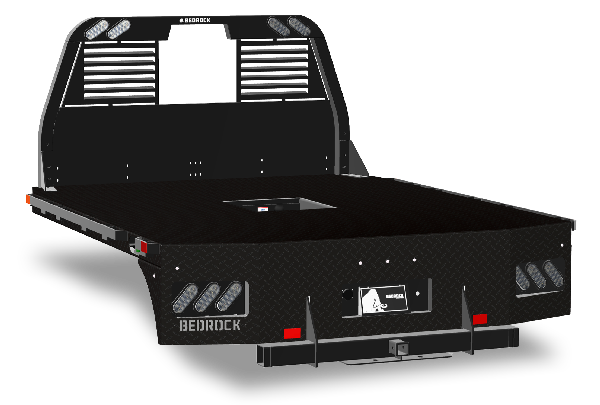
Truck flatbed tie down points are engineered anchor systems that provide secure attachment locations for straps, chains, and other restraint devices. These critical components distribute cargo forces across the flatbed frame, preventing load shifting during transport while meeting federal safety regulations.
Professional flatbed operators rely on properly installed tie down points to maintain cargo security across thousands of miles. Whether you're hauling construction materials, machinery, or general freight, understanding tie down point fundamentals ensures both safety compliance and operational efficiency.
Why Do Tie Down Points Matter for Flatbed Safety?
Tie down points serve as the foundation of cargo securement, directly impacting load stability and driver safety. According to the Federal Motor Carrier Safety Administration (FMCSA), improper cargo securement contributes to approximately 25,000 crashes annually, making proper tie down systems essential for public safety.
A well-designed tie down system distributes cargo weight evenly across multiple anchor points, preventing concentrated stress that could damage both the cargo and flatbed. Modern flatbed designs incorporate reinforced mounting locations that handle working load limits up to 5,000 pounds per point, providing the strength needed for heavy-duty applications.
Key Safety Benefits
- Load Distribution: Multiple tie down points spread cargo forces across the entire flatbed structure
- Regulatory Compliance: Proper placement meets DOT requirements for commercial operations
- Versatility: Strategic positioning accommodates various cargo types and sizes
- Durability: Quality hardware withstands repeated use and weather exposure
How Many Tie Down Points Does Your Flatbed Need?
Flatbed tie down point requirements depend on cargo weight, dimensions, and transportation regulations. For loads under 10,000 pounds, a minimum of four tie down points provides adequate securement, while heavier cargo may require six to eight anchor locations for proper load distribution.
Commercial operators should reference FMCSA guidelines, which specify one tie down device for cargo up to 5 feet long and 1,100 pounds, plus one additional tie down for every additional 10 feet of length. This formula ensures sufficient restraint capacity regardless of load configuration.
Tie Down Point Calculation Table
| Cargo Length | Cargo Weight | Minimum Tie Downs | Recommended Points |
|---|---|---|---|
| Under 5 ft | Under 1,100 lbs | 2 | 4 |
| 5-15 ft | 1,100-5,000 lbs | 2 | 6 |
| 15-25 ft | 5,000-10,000 lbs | 3 | 8 |
| Over 25 ft | Over 10,000 lbs | 4+ | 10+ |
Step-by-Step Tie Down Point Installation Guide
Step 1: Plan Your Layout
Measure your flatbed dimensions and mark tie down locations using chalk or removable markers. Space points 4-6 feet apart along each side, ensuring symmetrical placement for balanced load distribution. Consider your typical cargo requirements when finalizing positions.
Step 2: Select Appropriate Hardware
Choose tie down hardware rated for your maximum cargo weight with a 3:1 safety factor. D-rings, recessed tie downs, and stake pockets each offer specific advantages depending on your hauling needs and flatbed design.
Step 3: Mark Drilling Points
Use a center punch to mark exact drilling locations, double-checking measurements before proceeding. Verify that mounting locations avoid electrical wiring, brake lines, or structural weak points that could compromise installation integrity.
Step 4: Drill Mounting Holes
Drill pilot holes using appropriate bit sizes for your chosen hardware. Start with smaller bits and gradually increase diameter to prevent metal tearing or dimensional inaccuracy. Clean all metal debris from holes before hardware installation.
Step 5: Install Backing Plates
Position reinforcement plates beneath mounting locations to distribute forces across larger surface areas. Quality backing plates prevent pull-through failures and extend tie down point service life under heavy loads.
Step 6: Secure Hardware
Install tie down hardware using manufacturer-specified torque values. Apply thread locker to prevent loosening during operation, and ensure all components seat properly against mounting surfaces.
Step 7: Test Installation
Perform load testing using calibrated equipment to verify each tie down point meets working load requirements. Document test results for compliance records and future reference.
What Types of Tie Down Hardware Work Best?
Tie down hardware selection impacts both functionality and longevity, making material and design choices critical for long-term success. Stainless steel and zinc-plated options provide superior corrosion resistance, while cast steel designs offer maximum strength for heavy-duty applications.
D-rings remain the most versatile choice for general cargo, offering 360-degree rotation and compatibility with various restraint systems. Recessed tie downs provide a flush mounting option that reduces snagging hazards, while stake pockets accommodate both tie downs and vertical containment systems.
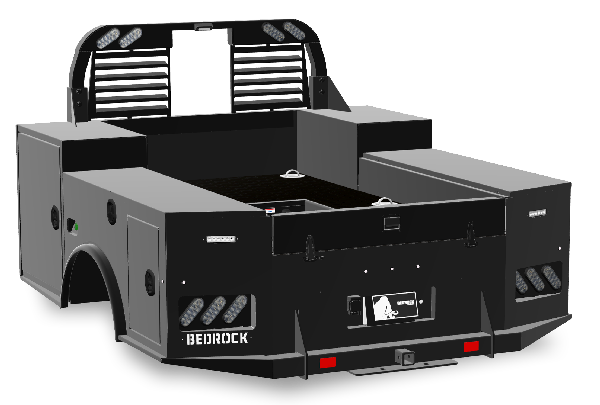
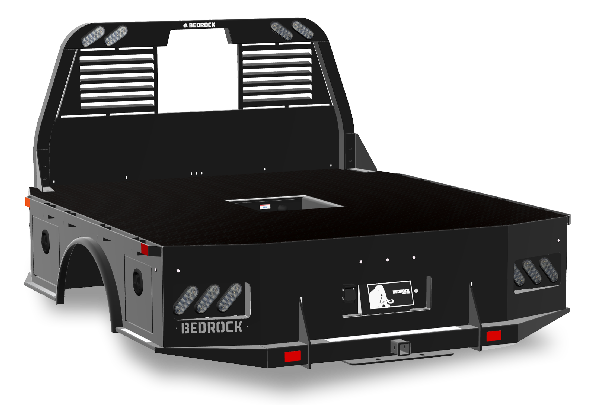
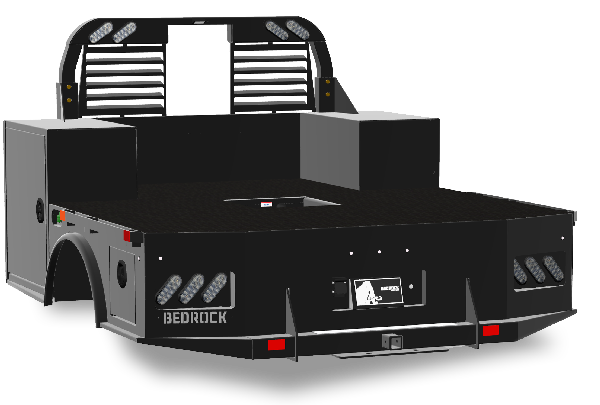
Professional flatbeds like those offered by Bedrock's truck flatbed tie down points incorporate factory-engineered mounting systems that eliminate guesswork and ensure optimal performance. These integrated solutions provide proper spacing, adequate strength, and professional appearance that enhances both function and resale value.
Common Tie Down Point Installation Mistakes
Inadequate Spacing
Many operators place tie down points too far apart, creating load concentration that exceeds individual hardware capacity. Maintain 4-6 foot spacing to ensure proper load distribution across multiple anchor points.
Insufficient Backing Plates
Skipping reinforcement plates leads to premature failure and potential safety hazards. Always install appropriately sized backing plates to distribute mounting forces across larger surface areas.
Wrong Hardware Selection
Using automotive-grade hardware instead of commercial-rated components compromises load capacity and durability. Invest in properly rated tie down hardware designed for commercial flatbed applications.
Improper Torque Values
Over-tightening damages threads and mounting surfaces, while under-tightening allows loosening during operation. Follow manufacturer specifications for optimal installation results.
How Do You Maintain Tie Down Points?
Regular tie down point maintenance prevents premature failure and ensures continued safety compliance. Inspect hardware monthly for signs of wear, corrosion, or damage, paying particular attention to high-stress areas around mounting bolts and contact surfaces.
Clean tie down points regularly using appropriate solvents to remove dirt, grease, and road salt that accelerate corrosion. Apply light lubricant to moving parts like D-ring pivots, but avoid over-lubrication that attracts additional contamination.
Monthly Inspection Checklist
- Visual inspection for cracks, deformation, or excessive wear
- Hardware tightness verification using appropriate tools
- Corrosion assessment and treatment as needed
- Load test documentation review
- Replacement part inventory check
Which Flatbed Designs Optimize Tie Down Placement?
Modern flatbed designs incorporate engineered tie down systems that maximize cargo flexibility while maintaining structural integrity. The Marble Flatbed | Bedrock Truck Beds features strategically positioned anchor points that accommodate various load configurations without compromising strength or appearance.
Integrated tie down systems offer several advantages over aftermarket installations, including precise engineering, factory testing, and warranty coverage. These systems eliminate measurement errors and ensure optimal load distribution across the entire flatbed structure.
Professional-grade flatbeds like the Limestone Flatbed | Bedrock Truck Beds incorporate heavy-duty mounting systems designed for commercial applications. These platforms provide the strength and versatility needed for demanding hauling operations while maintaining the aesthetic appeal important for professional image.
Advanced Tie Down Strategies for Different Cargo Types
Cargo characteristics dictate optimal tie down approaches, requiring operators to understand load dynamics and restraint principles. Long, narrow loads benefit from multiple tie down points along their length, while compact, heavy cargo requires concentrated anchor points near load centers.
Construction materials often require specialized securement techniques that combine multiple restraint types. Steel beams need both horizontal and vertical restraint, while loose materials require containment systems that work with traditional tie down points.
Cargo-Specific Requirements
Machinery: Requires rigid mounting points capable of handling dynamic loads during transport. Use multiple tie down points with redundant restraint systems for critical components.
Lumber: Benefits from evenly spaced tie down points that prevent bowing and shifting. Combine with vertical stakes for comprehensive containment.
Pipes: Need specialized cradles and tie down combinations that prevent rolling while allowing for thermal expansion during transport.
Legal Requirements for Commercial Operations
Commercial flatbed operations must comply with federal cargo securement regulations that specify minimum tie down requirements based on cargo characteristics. These regulations establish working load limits, tie down spacing, and inspection requirements that operators must follow to maintain compliance.
According to DOT cargo securement standards, tie down assemblies must have working load limits equal to or greater than the forces they're expected to withstand. This typically means individual tie downs rated for at least 50% of cargo weight for standard applications.
Documentation requirements include pre-trip inspections, load securement verification, and maintenance records that demonstrate ongoing compliance. Operators should maintain detailed records of tie down point inspections, load tests, and hardware replacements to satisfy regulatory requirements.
Cost Considerations for Professional Installations
Professional tie down point installation costs vary based on flatbed size, hardware selection, and local labor rates. Basic installations typically range from $200-500 per flatbed, while heavy-duty commercial systems may cost $500-1,200 depending on complexity and hardware requirements.
Quality hardware represents a significant portion of installation costs, but provides long-term value through extended service life and reduced maintenance requirements. Commercial-grade tie down points often include warranties and performance guarantees that justify higher initial costs.
Many operators find that integrated flatbed systems offer better overall value than aftermarket installations, providing engineered performance and professional appearance at competitive prices. These systems eliminate installation labor while ensuring optimal performance and regulatory compliance.
Frequently Asked Questions
How far apart should tie down points be placed?
Tie down points should be spaced 4-6 feet apart along flatbed sides, with additional points near corners and load concentration areas. This spacing ensures adequate load distribution while providing flexibility for various cargo types.
What working load limit do I need for my tie downs?
Tie down working load limits should equal at least 50% of cargo weight for standard applications, with higher ratings for dynamic loads or challenging transport conditions. Always include safety factors when selecting hardware.
Can I install tie down points myself?
Experienced operators can install basic tie down points using proper tools and techniques, but complex installations may require professional fabrication to ensure structural integrity and regulatory compliance.
How often should I inspect tie down points?
Inspect tie down points monthly for wear, damage, or loosening, with additional checks before and after heavy loads. Commercial operations may require more frequent inspections based on usage intensity.
What's the difference between working load limit and breaking strength?
Working load limit represents safe operating capacity with appropriate safety factors, typically 1/3 of breaking strength. Always use working load limits for load calculations, never breaking strength values.
Do I need backing plates for all tie down installations?
Backing plates are essential for maintaining installation integrity and preventing pull-through failures. Use appropriately sized plates that distribute mounting forces across adequate surface areas.
How do I know if my tie down points are properly rated?
Check manufacturer specifications and markings on hardware components. Commercial-grade tie downs should display working load limits and meet applicable industry standards for strength and durability.
What maintenance do tie down points require?
Regular cleaning, lubrication of moving parts, torque verification, and visual inspection for wear or damage. Replace components that show signs of deformation, excessive wear, or corrosion damage.
Interested in learning more?
Visit our website to explore products, find dealers, and get in touch.
Visit Bedrock Truck Beds →