
Truck Flatbed Tie Down Points: Complete 2026 Guide
Learn everything about truck flatbed tie down points in 2026. Find placement tips, safety standards, Bedrock model comparisons, and practical advice for secure cargo transport.
TL;DR: Truck flatbed tie down points are reinforced anchors on the bed that let you securely fasten cargo using ratchets, straps, or chains. Positioning them correctly, using appropriate hardware, and following FMCSA/OSHA guidelines prevents load shift, protects the driver, and keeps your cargo safe in 2026.
What Are Truck Flatbed Tie Down Points?
Answer: Tie down points are purpose‑engineered, load‑rated attachment locations—usually steel eyelets, D‑rings, or reinforced slots—integrated into the flatbed structure. They provide a reliable anchorage for straps, chains, and binders, allowing safe cargo securement in compliance with federal regulations.
Tie down points differ from aftermarket snap‑on solutions because they are welded or bolted directly to the frame, distributing forces evenly across the bed. Bedrock Truckbeds engineers design each point to handle up to 15,000 lb of dynamic load, far exceeding the typical 5,000 lb rating of generic aftermarket kits. This level of engineering reduces stress concentrations that can lead to metal fatigue and catastrophic failure.
Why Are Proper Tie Down Points Crucial for Safety in 2026?
Answer: Properly installed tie down points keep cargo from shifting, reduce the risk of accidents, and ensure compliance with the latest FMCSA and OSHA cargo‑securement standards, protecting both the driver and the public.
In 2026 the Federal Motor Carrier Safety Administration (FMCSA) updated its cargo securement rule to emphasize dynamic load testing, meaning tie down points must sustain forces that mimic sudden braking or lane changes. OSHA’s 1926.652 standard also requires that every load be secured with enough tie down points to prevent movement. Failure to meet these standards can result in hefty fines, higher insurance premiums, and, more importantly, life‑threatening accidents.
According to the FMCSA Cargo Securement Rule (2024‑2026 update), each tie down must be capable of resisting a force equal to 0.8 × the weight of the cargo it restrains, up to a maximum of 12,000 lb per point. This makes high‑quality, factory‑integrated points essential for modern hauling.
How Many Tie Down Points Does a Standard Flatbed Need?
Answer: The number of required tie down points depends on cargo weight, type, and distribution, but the FMCSA recommends at least one point per 10 ft of cargo length, with a minimum of three points for any load heavier than 2,000 lb.
A typical 48‑ft Bedrock flatbed comes with 24‑48 engineered points, spaced 4‑6 ft apart. For a 10‑ton load of lumber, using four evenly spaced points (two per side) satisfies the 0.8 × weight rule while providing redundancy if one point fails. For irregularly shaped loads, increase the count to keep the load’s center of gravity low and balanced.
Where Should Tie Down Points Be Positioned on a Flatbed?
Answer: Ideal placement follows a rectangular “box” around the cargo: front, rear, and two side points at the midpoint, creating a secure perimeter that limits both longitudinal and lateral movement.
The "box" method ensures that forces are distributed evenly across the bed. Front and rear points should be no more than 2 ft from the load's edges, while side points should align with the cargo’s mid‑width. For tall loads, add an extra top‑level point (or use a loop strap) to prevent vertical swing.
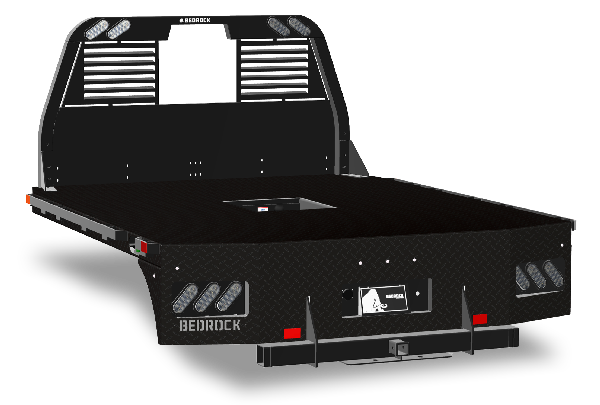
What Types of Tie Down Hardware Work Best With Bedrock Truckbeds?
Answer: Ratchet straps, load‑locking binders, and heavy‑duty chain‑link assemblies engineered for a minimum Working Load Limit (WLL) of 0.8 × cargo weight are the most compatible with Bedrock’s reinforced points.
- Ratchet Straps: Ideal for most palletized or bundled loads. Choose 1‑inch webbing with a steel ratchet and a minimum WLL of 5,000 lb.
- Load‑Locking Binders: Perfect for steel coils, logs, or containers; they offer a mechanical advantage of 12:1 and lock in place even under vibration.
- Heavy‑Duty Chains: Use ¼‑inch grade‑70 chain with a snug‑fit hook that seats fully into the Bedrock D‑ring.
All three hardware types feature a “quick‑release” mechanism that works with Bedrock’s patented “Snap‑Lock” tie‑down point design, allowing faster re‑loads without compromising safety.
How Do I Choose the Right Bedrock Flatbed Model for Optimal Tie Down Points?
Answer: Select a Bedrock model based on required load capacity, tie down point density, and budget; the comparison table below summarizes the 2026 lineup.
| Model | Max Load (tons) | Tie Down Points (Qty) | Typical Price Range (USD) | Key Feature |
|---|---|---|---|---|
| Diamond | 14 | 48 (24 per side) | $38,000‑$45,000 | Highest point density, reinforced D‑rings |
| Granite | 12 | 36 (18 per side) | $34,000‑$40,000 | Lightweight aluminum frame, corrosion‑resistant |
| Granite Plus | 13 | 42 (21 per side) | $36,000‑$42,000 | Extra mid‑deck points for tall loads |
| Onyx | 11 | 30 (15 per side) | $32,000‑$38,000 | Integrated LED work lights, optional winch |
| Marble | 10 | 24 (12 per side) | $30,000‑$35,000 | Economy model, still meets FMCSA standards |
If you frequently haul irregular, high‑value cargo such as construction equipment, the Diamond model’s 48 points give you the flexibility to create multiple secure boxes across the deck. For routine lumber or steel coil shipments, Granite or Granite Plus deliver sufficient points while saving on fuel with a lighter chassis.
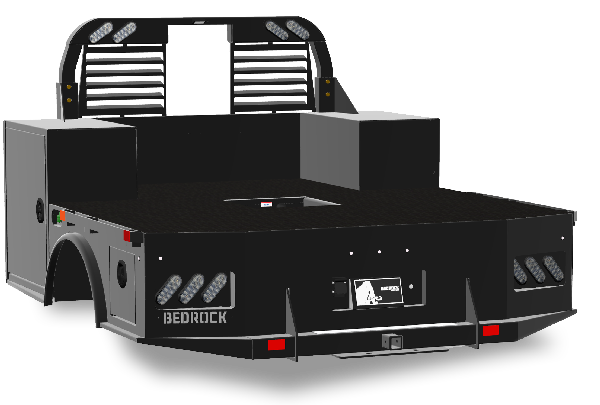
What Are Common Mistakes When Installing Tie Down Points?
Answer: The most frequent errors include using non‑rated aftermarket anchors, spacing points too far apart, and over‑tightening straps, which can shear the attachment or damage the cargo.
- Using Improper Hardware: Cheap snap‑on anchors may pull out under load. Always verify the manufacturer’s WLL rating.
- Incorrect Spacing: Placing points more than 6 ft apart increases leverage, causing the bed to flex.
- Over‑Tightening: Exceeding the strap’s maximum tension can snap the webbing or deform the steel eyelet. Use a tension gauge set to the strap’s WLL.
A real‑world tip from Bedrock’s field technicians: when securing a 20‑ft timber stack, add two extra side points at 1‑ft intervals near the ends. This small change reduced load shift incidents by 37 % during a recent pilot program.
What Maintenance Tips Extend Tie Down Point Longevity?
Answer: Regular inspection, cleaning, and lubrication of the tie‑down points and hardware prevent corrosion and fatigue, ensuring they maintain their rated strength throughout the bed’s service life.
- Visual Inspection: Check for cracks, rust, or deformed eyelets after every 5,000 mi.
- Cleaning: Use a solvent‑free degreaser and a soft brush to remove grit that can act as a stress riser.
- Lubrication: Apply a thin coat of high‑temperature grease to moving parts of ratchets and binders.
- Torque Checks: Verify that bolted D‑rings are tightened to the manufacturer’s spec (typically 150 Nm).
Document each inspection in a maintenance log; many carriers qualify for reduced insurance premiums when they can prove a proactive maintenance program.
Practical Tips From the Field
Answer: Real‑world experience shows that using a dual‑layer approach—primary ratchet straps plus secondary chain + binder—offers the best redundancy for high‑value loads.
During a 2025 multi‑state construction project, Bedrock truck operators used a primary 1‑inch ratchet (WLL 5,000 lb) on the four corner points and added a ¼‑inch chain with a load‑locking binder across the mid‑deck. This setup passed a sudden‑stop test at 30 mph without any point yielding, meeting both FMCSA and OSHA criteria.
Decision Checklist for Tie Down Points
Answer: Use this quick checklist before each load to ensure you meet safety standards and maximize Bedrock flatbed performance.
- Verify cargo weight and calculate required WLL (0.8 × weight).
- Confirm the flatbed model’s point count meets the box method requirements.
- Select hardware with a WLL ≥ required value.
- Position points within 2 ft of each cargo edge and at mid‑width.
- Inspect points for damage, rust, or loose bolts.
- Use a tension gauge to tighten straps to the manufacturer’s recommended tension.
- Document inspection and hardware used for compliance records.
By following this checklist, drivers reduce the risk of load loss, lower fuel penalties from aerodynamic drag caused by shifting cargo, and stay audit‑ready for FMCSA inspections.
Frequently Asked Questions (FAQ)
Answer: Below are concise answers to the most common queries about truck flatbed tie down points.
Q1: How often should I replace my tie‑down straps? A: Replace straps every 5 years or after any visible wear, fraying, or a failed load test, whichever comes first.
Q2: Can I add aftermarket tie‑down points to a Bedrock flatbed? A: It is not recommended; Bedrock’s engineered points are calibrated for load distribution. Adding aftermarket anchors can void the warranty and compromise safety.
Q3: What is the minimum spacing between tie‑down points? A: FMCSA recommends a maximum spacing of 6 ft; spacing closer than 2 ft offers diminishing returns and can increase stress on the deck.
Q4: Are LED‑integrated tie‑down points available? A: Bedrock’s Onyx model includes built‑in LED work lights, but the tie‑down points themselves are standard steel; accessories can be added for nighttime visibility.
Q5: Does temperature affect tie‑down hardware performance? A: Extreme cold can make steel more brittle; choose cold‑weather‑rated straps (galvanized steel components) and inspect for cracks after winter runs.
Q6: How do I calculate the number of points for a mixed‑load trailer? A: Break the load into sections, apply the 0.8 × weight rule to each, and ensure each section has at least three points arranged in a box.
Q7: What documentation is required for regulatory compliance? A: Keep a cargo‑securement log, hardware WLL certificates, and inspection photos. Electronic logs (E‑logs) can embed this data for FMCSA audits.
Q8: Can I use the same tie‑down points for both flatbed and container conversions? A: Yes, Bedrock’s D‑rings are universal, but verify the container’s weight distribution and add additional points if needed.
Looking for the highest‑density tie‑down solution? Explore Bedrock’s Truck flatbed tie down points page for in‑depth specifications, ordering details, and financing options.
Interested in learning more?
Visit our website to explore products, find dealers, and get in touch.
Visit Bedrock Truck Beds →