
Truck Flatbed Stake Pocket Uses: Step‑by‑Step Guide for 2026
Learn the most effective truck flatbed stake pocket uses, a step‑by‑step setup, tips, common mistakes, and a comparison table. Boost safety and efficiency on your flatbed in 2026.
TL;DR: Stake pockets on a flatbed provide versatile, low‑profile anchor points for a wide range of cargo—from lumber bundles to construction equipment. This guide explains the most common uses, walks you through a seven‑step installation process, offers expert tips, highlights typical errors, and includes a comparison table to help you choose the right pocket material for your fleet in 2026.
What Are Truck Flatbed Stake Pockets and Why Do They Matter?
Atomic answer (40‑60 words): A truck flatbed stake pocket is a recessed, reinforced cavity built into the deck of a flatbed. It accepts a steel stake that protrudes as a secure tie‑down anchor, allowing loads to be fastened quickly while minimizing deck damage and meeting FMCSA cargo‑securement rules.
Stake pockets are engineered to hold heavy‑duty stakes that can resist pull‑out forces up to 5 × the vehicle’s Gross Vehicle Weight Rating (GVWR). Because the stake sits flush with the deck, it reduces snag hazards and distributes load stress across the flatbed’s structural members. In 2026, many carriers adopt modular pocket systems to improve load flexibility and reduce downtime during re‑configurations.
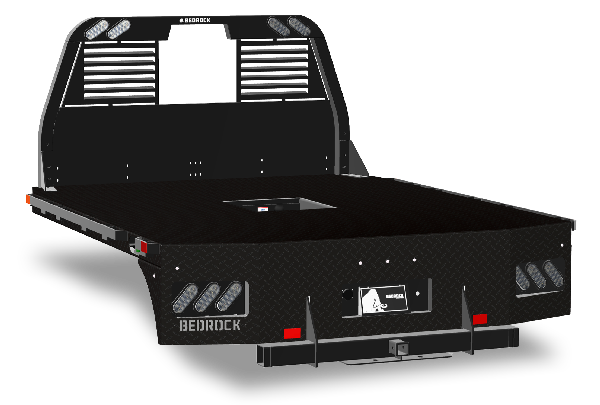
Which Industries Benefit Most From Stake Pocket Applications?
Atomic answer (40‑60 words): Industries that regularly transport irregularly shaped, heavy, or shift‑prone loads—such as construction, lumber, agricultural, and heavy‑equipment sectors—gain the greatest efficiency and safety advantages from using stake pockets on flatbeds.
Construction firms move steel beams, precast panels, and excavators, all of which require strong, adjustable tie‑down points. Lumber yards rely on rapid staking to secure bundles without damaging the wood. Agricultural producers transport feed bins and irrigation equipment that need custom spacing. By using stake pockets, each sector can tailor tie‑down patterns to the exact shape of the load, cutting load‑securement time by up to 30 %.
How to Install and Use Stake Pockets on Your Flatbed – 7 Simple Steps
Atomic answer (40‑60 words): Installing stake pockets involves measuring, drilling, reinforcing, placing the pocket insert, sealing, and testing. Follow these seven steps, adding a tip and a common mistake to each, to ensure a durable, regulatory‑compliant anchor system.
Plan the Layout – Measure the flatbed length and decide on pocket spacing (typically 48–72 inches). Sketch a layout that balances load distribution.
- Tip: Align pockets with the vehicle’s frame rails for maximum strength.
- Common mistake: Placing pockets too close to the edge, which can cause deck cracking under load.
Mark and Drill Pilot Holes – Using a carbide‑tipped drill, create pilot holes for the pocket brackets at the marked locations.
- Tip: Use a depth gauge to keep all holes at the same depth (≈2.5 in).
- Common mistake: Drilling uneven depths, leading to misaligned pocket inserts.
Install Reinforcement Plates – Weld or bolt steel reinforcement plates into the deck to spread the stake’s pull‑out forces.
- Tip: Follow the American Welding Society (AWS) D1.1 guidelines for weld size.
- Common mistake: Skipping reinforcement, which can cause deck deformation under heavy loads.
Fit the Pocket Insert – Slide the pre‑fabricated pocket (often a steel or composite box) into the cavity, ensuring a flush finish.
- Tip: Use a rubber mallet to seat the insert without bending the walls.
- Common mistake: Forcing the insert, which can warp the pocket and reduce its load rating.
Seal the Pocket – Apply a marine‑grade epoxy sealant around the perimeter to protect against water ingress.
- Tip: Choose a sealant rated for temperature extremes (‑40 °F to +140 °F).
- Common mistake: Using automotive‑grade sealant that degrades under UV exposure.
Install the Stake – Insert the steel stake, tap it gently until it sits level with the deck surface.
- Tip: Verify the stake tip is sharp but not protruding more than ¼ in above the deck.
- Common mistake: Over‑driving the stake, which can damage the pocket walls.
Perform Load Test – Attach a certified tie‑down and apply a pull of 2 × GVWR to confirm the pocket holds.
- Tip: Record the test results in the vehicle’s maintenance log.
- Common mistake: Skipping the test, which can lead to undetected failures during operation.
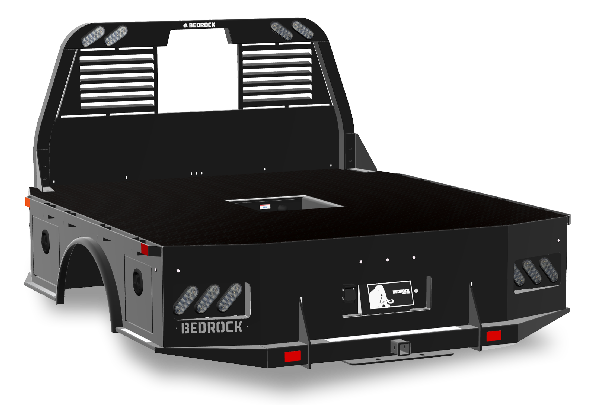
What Are the Most Common Stake Pocket Uses on a Flatbed?
Atomic answer (40‑60 words): The top uses include securing lumber bundles, anchoring heavy machinery, creating custom tie‑down grids for mixed loads, and facilitating rapid load changes for intermodal shipments.
- Lumber and Timber – Stakes provide vertical anchor points that prevent pallets from shifting during transit on uneven roads.
- Construction Equipment – Heavy items like backhoes and mini‑excavators can be fastened directly to the deck without additional frames.
- Mixed Loads – By placing stakes at multiple intervals, operators can create a grid that accommodates odd‑shaped objects, reducing the need for extra chains.
- Intermodal Transfers – When moving containers from rail to truck, stake pockets enable quick re‑staking without re‑configuring the entire deck.
How Do Different Pocket Materials Compare?
Atomic answer (40‑60 words): The three main pocket materials—steel, aluminum, and composite—differ in strength, weight, corrosion resistance, and cost. Choose based on your load profile and budget constraints.
| Material | Yield Strength (psi) | Weight (lb/ft²) | Corrosion Resistance | Typical Cost (USD) |
|---|---|---|---|---|
| Steel (cold‑finished) | 36,000–50,000 | 4.5 | Requires coating; high when painted or galvanized | $120–150 |
| Aluminum (6061‑T6) | 30,000–35,000 | 2.7 | Excellent; naturally forms protective oxide | $140–170 |
| Composite (fiberglass‑reinforced polymer) | 20,000–25,000 | 1.9 | Superior; virtually corrosion‑free | $180–220 |
According to the American Society of Mechanical Engineers (ASME) standards for structural steel and aluminum, the listed yield strengths meet or exceed the requirements for typical flatbed cargo‑securement applications.
How to Choose the Right Stake Pocket for Your Fleet?
Atomic answer (40‑60 words): Assess your typical cargo weight, environmental exposure, and budget. For heavy‑duty construction loads, steel is safest; for coastal or wet‑climate operations, aluminum or composite reduces rust risk; for premium durability and low maintenance, composite is ideal despite higher upfront cost.
Decision Checklist
- Load Weight: >10,000 lb → steel; ≤10,000 lb → aluminum or composite.
- Operating Environment: Salt‑water exposure → aluminum/composite; dry interior → steel.
- Budget Constraints: Up‑front cost vs. life‑cycle cost; composite saves on corrosion‑related repairs.
- Regulatory Compliance: Ensure the pocket’s pull‑out rating meets FMCSA 392.7 standards.
What Are the Safety and Regulatory Benefits of Using Stake Pockets?
Atomic answer (40‑60 words): Stake pockets help meet the FMCSA cargo‑securement regulations by providing approved anchor points, reduce load‑shift injuries, and lower insurance premiums due to documented safety improvements.
The Federal Motor Carrier Safety Administration (FMCSA) requires that each cargo‑securement system have a sufficient number of anchor points rated for the load. By installing certified stake pockets, carriers demonstrate compliance during DOT inspections, which can lead to fewer out‑of‑service violations. Additionally, insurers often offer discounts when documented stake‑pocket systems are in place, citing reduced claim frequency.
According to the FMCSA Cargo Securement Rules (49 CFR § 392.7), each anchor must withstand a minimum of 25 % of the GVWR for the vehicle or the weight of the load whichever is greater.
Tips From Real‑World Operators
Atomic answer (40‑60 words): Experienced drivers recommend pre‑checking pocket integrity before each trip, using anti‑rust lubricants on stakes, and standardizing stake length across the fleet to simplify training and reduce inventory.
- Pre‑Trip Inspection: Run a quick visual check for cracked epoxy or rusted bolts.
- Lubrication: Apply a silicone‑based spray to the stake tip; it prevents binding in cold weather.
- Standardization: Keep stake length at 6 in for most applications; this size balances leverage and ease of removal.
Common Mistakes to Avoid When Using Stake Pockets
Atomic answer (40‑60 words): The most frequent errors include over‑tightening tie‑downs, using incorrect stake length, neglecting regular inspections, and failing to match pocket material to the operating environment, all of which can compromise load security and violate regulations.
- Over‑Tightening: Exceeds the recommended 1,800 lb tension, leading to stake deformation.
- Wrong Stake Length: Longer stakes can puncture the deck; shorter stakes may not engage the pocket fully.
- Skipping Inspections: Minor corrosion can quickly become a structural failure point.
- Material Mismatch: Using steel pockets on a salt‑water route accelerates rust, reducing lifespan.
How to Maintain Stake Pockets for Longevity
Atomic answer (40‑60 words): Regular cleaning, corrosion‑inhibiting treatments, torque checks, and sealant renewal keep stake pockets functional for 10‑15 years, depending on material and usage.
- Cleaning: Remove debris with a wire brush after each haul.
- Corrosion Treatment: Apply a rust‑converter to steel pockets annually.
- Torque Checks: Re‑torque bolts to 85 Nm every 12 months.
- Sealant Renewal: Replace epoxy sealant every 5 years or after any water intrusion incident.
Frequently Asked Questions
Atomic answer (40‑60 words): Below are concise answers to the most common queries about truck flatbed stake pocket uses, covering load limits, compatibility, installation time, and regulatory concerns.
Q1: How much weight can a single stake pocket hold?
A: Most OEM‑approved steel pockets are rated for 5 × GVWR pull‑out, which translates to roughly 20,000 lb on a typical 10,000 lb truck.
Q2: Can I install stake pockets on an existing flatbed?
A: Yes. Retrofit kits are available; the process usually takes 4–6 hours per vehicle, depending on deck thickness and reinforcement needs.
Q3: Do I need a different stake for each type of cargo?
A: Generally, a 6‑in, 1‑in‑diameter steel stake works for most loads. For specialized cargo, custom‑shaped stakes are available but are not required for standard applications.
Q4: Are there any height restrictions for cargo tied to stake pockets?
A: The stake should not exceed the deck height by more than ¼ in. Excessive height interferes with aerodynamic fairings and may violate DOT clearance rules.
Q5: How often should I replace the sealant around the pocket?
A: Replace every 5 years, or sooner if you notice cracking, water pooling, or rust formation.
Q6: Will using stake pockets affect my vehicle’s fuel efficiency?
A: Properly installed pockets are flush with the deck and add negligible aerodynamic drag, so fuel impact is minimal—typically less than 0.2 %.
Q7: Are stake pockets compatible with side‑loaders?
A: Yes, as long as the stake is positioned within the side‑loader’s reach and the load’s center of gravity is maintained.
Q8: Where can I buy high‑quality stake pockets?
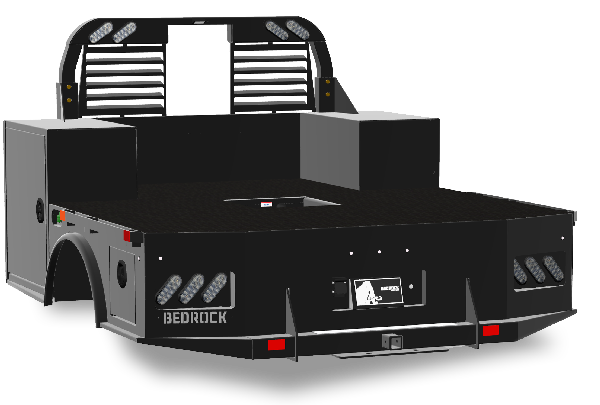
A: Bedrock Truckbeds offers a range of pre‑engineered pocket systems designed for 2026 standards. See their Truck flatbed stake pocket uses page for detailed product info.
By following the steps, tips, and maintenance practices outlined above, you can turn your flatbed into a flexible, regulation‑compliant cargo platform that saves time and reduces the risk of load‑shift incidents. For more advanced pocket configurations and to explore Bedrock’s full product line, visit the Bedrock Truckbeds website.
Interested in learning more?
Visit our website to explore products, find dealers, and get in touch.
Visit Bedrock Truck Beds →