
Truck Flatbed Stake Pocket Uses: Step‑by‑Step Guide
Discover the top truck flatbed stake pocket uses in 2026. Follow our step‑by‑step guide, avoid common mistakes, and maximize safety with Bedrock Truckbeds.
TL;DR: Stake pockets on a flatbed let you secure loads with removable stakes, straps, and nets. In 2026 they’re used for everything from lumber to heavy machinery, offering quick setup, strong hold, and protection for both cargo and driver. Follow the right steps, pick the proper hardware, and stay compliant.
What are truck flatbed stake pockets and why are they important?
Atomic answer: A stake pocket is a reinforced cavity built into a flatbed that accepts removable metal stakes, allowing operators to create custom tie‑down points for irregular or oversized loads. They improve load stability, reduce damage, and meet FMCSA safety standards.
Flatbed stake pockets are engineered to handle high shear forces while keeping the bed’s structural integrity. Bedrock Truckbeds designs them with a 3‑inch wall thickness and corrosion‑resistant coating, making them ideal for harsh weather and heavy‑duty use. By positioning stakes where needed, drivers can adapt the flatbed to a wide variety of cargo shapes without drilling or welding permanent holes.
How can I safely use stake pockets for different cargo types?
Atomic answer: Follow a systematic process: assess cargo, select appropriate stakes, position them in the pockets, attach tie‑downs, and perform a final tension check. This ensures the load stays secure throughout the trip and complies with 2026 safety regulations.
Step‑by‑step guide
- Assess the load dimensions and weight. Measure length, width, height, and center of gravity. For loads over 10,000 lb, add extra stakes for redundancy.
- Choose the right stake material. Aluminum stakes are lightweight for light‑to‑medium loads; steel stakes provide maximum strength for heavy equipment.
- Insert the stakes into the pocket. Make sure each stake sits flush with the pocket wall; a gap reduces shear resistance.
- Attach the appropriate tie‑down (strap, chain, or net). Use "+/‑ 3%" tension for straps as recommended by the FMCSA.
- Cross‑tie for large surfaces. Create an “X” pattern by placing stakes at opposite corners; this distributes forces evenly.
- Perform a tension test. Pull each tie‑down 10 % beyond its working load limit (WLL) to verify no slip.
- Secure the cargo and re‑inspect after 50 m of travel. Adjust if any movement is detected.
Tip: When hauling lumber, place stakes 24 in. apart along the edges and use a 2‑inch ratchet strap for each row. This prevents bowing and saves time on the loading dock.
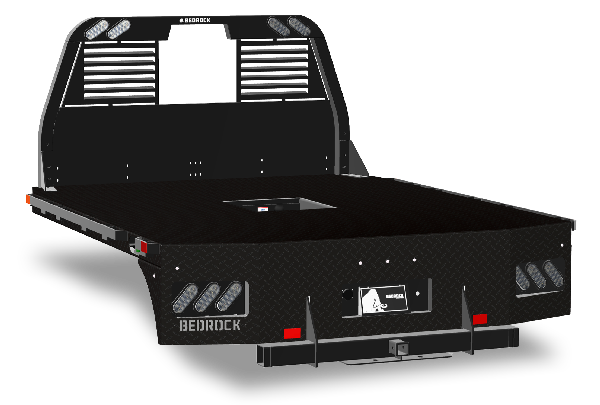
Which stake pocket accessories work best with Bedrock flatbeds?
Atomic answer: Bedrock offers a range of accessories—steel stakes, aluminum stakes, ratchet straps, and cargo nets—designed to fit their patented pocket geometry, ensuring optimal load security and ease of installation.
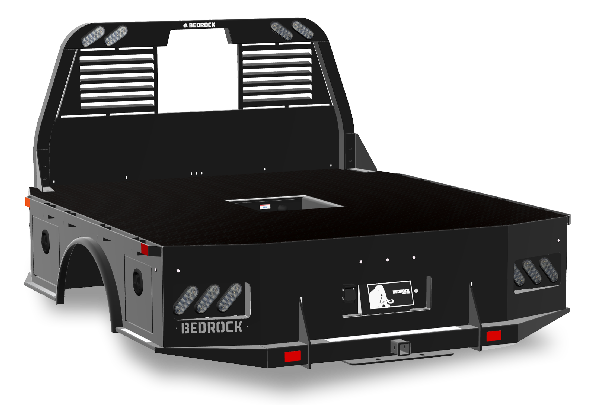
The Diamond series flatbed includes reinforced pockets that accept a 1‑½‑inch stake diameter. Pair it with Bedrock’s Steel Stake Kit for loads up to 15,000 lb, or the Aluminum Stake Kit for lighter builds. Both kits come with color‑coded straps for quick identification.
For a visual reference, see the product page on Bedrock’s site: Truck flatbed stake pocket uses.
What are the most common mistakes when using stake pockets?
Atomic answer: The top errors are: using undersized stakes, over‑tightening straps, neglecting to cross‑tie large loads, and forgetting to re‑inspect after the first few miles.
Common pitfalls
| Mistake | Why it hurts | Quick fix |
|---|---|---|
| Undersized stake | Shear failure under load | Choose steel for >10,000 lb loads |
| Over‑tightening straps | Cuts into cargo, reduces net load | Aim for 3 % tension over WLL |
| No cross‑tie | Uneven force distribution | Add diagonal stakes forming an “X” |
| Skipping re‑inspection | Hidden shift can cause accidents | Check every 50 m or after major turns |
Avoid using rusted stakes—replace them every 2 years to maintain structural integrity.
How do I maintain stake pockets for longevity?
Atomic answer: Regular cleaning, corrosion checks, and periodic re‑tightening of hardware keep stake pockets functional for up to 15 years, even in salty coastal environments.
- Clean after each haul with a pressure washer set to < 150 psi to prevent water intrusion.
- Inspect the pocket walls for cracks or corrosion; repair with a marine‑grade epoxy.
- Lubricate moving parts (stake locks) with a silicone‑based spray every 6 months.
- Store spare stakes in a dry, climate‑controlled locker to avoid rust.
What regulations govern the use of stake pockets in 2026?
Atomic answer: The FMCSA’s Motor Carrier Safety Regulation (§ 393.100) and the DOT’s Cargo Securement Standard (49 CFR 392.9) dictate tie‑down strength, spacing, and inspection frequency for stake‑based systems.
According to the Federal Motor Carrier Safety Administration, each tie‑down must have a Working Load Limit (WLL) of at least 1⁄3 the weight of the cargo it restrains. Stake pocket installations must also pass a dynamic load test at 1.25× the maximum anticipated load.
How can I decide which stake pocket setup is right for my business?
Atomic answer: Evaluate cargo profile, average load weight, budget, and required turnaround speed. Use a decision matrix to compare aluminum vs. steel stakes, accessory kits, and pocket reinforcement levels.
Decision checklist
- Typical cargo weight range?
- Frequency of irregular‑shaped loads?
- Desired load‑securement time (minutes per load)?
- Budget for accessories and replacement parts?
If you regularly haul loads > 12,000 lb, select steel stakes and a reinforced pocket (Bedrock Diamond). For lighter, high‑turnover jobs, aluminum stakes and a standard pocket provide speed and cost savings.
Frequently Asked Questions (FAQ)
Q1: Can I use generic stakes in a Bedrock pocket? A: Yes, as long as the stake diameter matches the 1‑½‑inch pocket spec and the material meets the required WLL.
Q2: How often should I replace my stake pockets? A: With proper maintenance, the pocket shell lasts 15 years; stakes should be inspected every 6 months and replaced if worn.
Q3: Are there any load types that should not use stake pockets? A: Extremely high‑center‑of‑gravity loads (e.g., large tanks) may require a dedicated frame; consult a cargo‑securement engineer.
Q4: What is the recommended tie‑down spacing? A: FMCSA requires stakes no more than 4 ft apart for loads over 5,000 lb; closer spacing improves stability.
Q5: Can I retrofit stake pockets onto an existing flatbed? A: Bedrock offers a retrofit kit that includes welded pocket inserts; professional installation is recommended.
Q6: Do stake pockets affect fuel efficiency? A: Minimal impact; the added weight is under 30 lb per pocket, roughly a 0.2 % decrease in mpg.
Q7: What safety gear should I wear while installing stakes? A: Wear steel‑toe boots, gloves, and eye protection; use a ladder with a fall‑arrest harness for high‑bed placements.
Q8: How do I certify my crew on proper stake‑pocket usage? A: Conduct a quarterly training session covering the step‑by‑step guide above, plus a hands‑on tie‑down test audited by a certified safety officer.
Interested in learning more?
Visit our website to explore products, find dealers, and get in touch.
Visit Bedrock Truck Beds →