
Truck Flatbed Stake Pocket Uses: Step‑by‑Step Guide
Discover the top truck flatbed stake pocket uses, how to choose, install, and secure cargo in 2026. Follow our step‑by‑step guide with tips, mistakes to avoid, and a handy comparison table.
TL;DR: Truck flatbed stake pockets are reinforced metal loops used to anchor tie‑downs, providing a strong, adjustable point for securing a wide range of cargo. Select pockets that match your flatbed width and load weight, install them per the manufacturer’s specs, and apply the correct tie‑down pattern for each cargo type to ensure safety and compliance in 2026.
What are truck flatbed stake pockets and why are they essential?
Atomic answer (40‑60 words): Truck flatbed stake pockets are hardened steel loops welded or bolted into a flatbed’s deck, creating permanent anchor points for tie‑downs. They distribute load forces evenly, reduce deck wear, and comply with DOT and OSHA regulations for securing cargo, making them essential for safe and efficient transport.
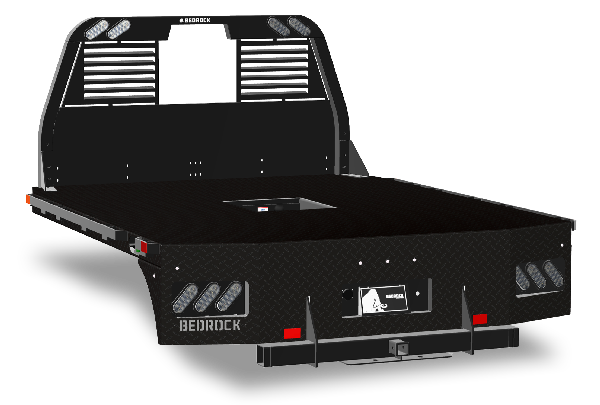
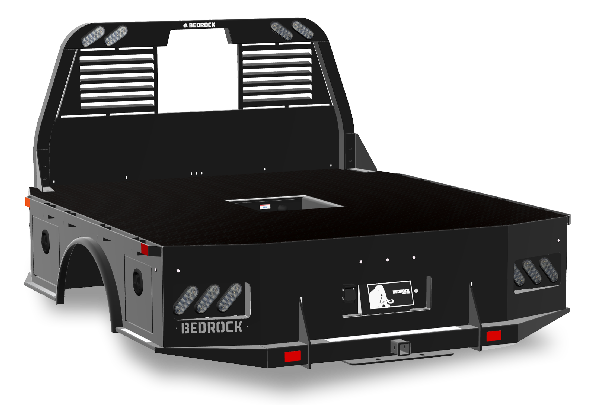
Stake pockets, often referred to as "stake holes" or "anchor loops," have been standard on commercial flatbeds for decades. Modern designs, like Bedrock’s Diamond‑Series pockets, feature reinforced walls and corrosion‑resistant coatings that extend service life even in harsh climates. By providing a fixed point, they eliminate the need for makeshift metal bars or improvised anchoring, which can fail under dynamic loads.
How do I choose the right stake pocket size for my cargo?
Atomic answer (40‑60 words): Select pocket dimensions based on flatbed width, maximum payload, and tie‑down hardware. A 4‑inch‑deep pocket with a 1‑inch‑diameter opening supports up to 10,000 lb per pocket, while larger 6‑inch‑deep pockets handle heavier loads and provide extra clearance for thicker cargo.
When sizing stake pockets, consider three factors:
- Flatbed width – Most U.S. commercial flatbeds are 8 ft (96 in) wide; pocket spacing should be at least 12 in from each edge to avoid deck deformation.
- Maximum load per pocket – Manufacturer ratings (e.g., Bedrock’s Diamond‑Series 10 k lb) guide how many pockets you need for a given cargo weight.
- Tie‑down hardware – Ensure the pocket’s aperture matches the shackle or bolt diameter of your straps, chains, or winches.
Step‑by‑step: Installing stake pockets on a flatbed
Atomic answer (40‑60 words): Installation involves measuring, marking, drilling pilot holes, welding or bolting the pocket, and stamping a certification label. Follow the manufacturer's torque specs, use corrosion‑proof fasteners, and verify each pocket’s load rating before use to guarantee compliance and durability.
Materials you’ll need
- Bedrock stake pockets (e.g., Diamond, Granite, Granite Plus)
- MIG/TIG welding equipment or high‑strength deck‑grade bolts
- Drill with 1/2‑in. carbide bit for pilot holes
- Torque wrench (minimum 150 lb‑ft for bolts)
- Corrosion‑resistant sealant
- Safety gear (gloves, goggles, hearing protection)
Installation steps
- Plan pocket layout – Space pockets 24 in apart across the deck, aligning with the vehicle’s frame rails for optimal strength.
- Mark the deck – Use a grease pencil and a straight edge to mark the exact center of each pocket location.
- Drill pilot holes – For welded pockets, drill ½‑in. holes for filler metal; for bolted pockets, drill according to the bolt’s thread size (typically ¾‑in. for 1‑in. bolts).
- Secure the pocket –
- Welding: Place the pocket, tack weld the corners, then complete a continuous weld around the perimeter.
- Bolting: Insert the pocket’s base plate, place high‑grade bolts, and tighten to the manufacturer‑specified torque.
- Seal and label – Apply a marine‑grade sealant around the pocket base, then stamp the load rating and installation date on the deck for quick reference.
- Inspect – Verify each pocket is flush with the deck surface, free of cracks, and fully cured before loading.
What are the top uses for flatbed stake pockets?
Atomic answer (40‑60 words): Stake pockets secure lumber bundles, heavy machinery, shipping containers, concrete slabs, and bulk material pallets. They enable proper tie‑down patterns—such as the "four‑corner" or "X‑pattern"—which prevent load shift, meet DOT 393‑5 regulations, and reduce insurance premiums.
Common cargo categories
| Cargo Type | Typical Stake Pocket Configuration | Recommended Tie‑Down Pattern | Approx. Load per Pocket |
|---|---|---|---|
| Lumber bundles | 4‑inch‑deep, 1‑in. aperture, spaced 24 in. | Four‑corner + cross‑tension | 2 000 lb |
| Heavy machinery (e.g., excavators) | 6‑inch‑deep, 1.5‑in. aperture, reinforced base | X‑pattern + additional side straps | 5 000 lb |
| Shipping containers (20‑ft) | 6‑inch‑deep, 2‑in. aperture, staggered rows | Four‑corner + end‑to‑end tension | 8 000 lb |
| Concrete slabs | 4‑inch‑deep, 1‑in. aperture, extra gusset plates | Four‑corner + perimeter straps | 3 000 lb |
| Bulk pallets (e.g., steel coils) | 4‑inch‑deep, 1‑in. aperture, close‑spaced | Center‑to‑corner diagonal | 2 500 lb |
How to secure lumber bundles with stake pockets
Atomic answer (40‑60 words): Place the bundle’s ends over four evenly spaced stake pockets, run a high‑tenacity ratchet strap across the top, and create an X‑pattern with two additional straps to prevent wind‑induced movement, meeting the DOT 393‑5 “four‑corner” requirement.
- Position the bundle – Center the load so that each end rests over a pocket.
- Apply primary strap – Run a ratchet strap over the top of the bundle, connecting opposite corners of the flatbed.
- Add cross‑tension – Use two additional straps to form an X across the bundle, tightening each until the lumber is snug but not compressed.
- Inspect – Ensure no strap is twisted and that the load is evenly distributed.
Tip: Use a strap with a working load limit (WLL) at least 1.5× the bundle weight to meet OSHA’s 1.5 safety factor.
How to secure heavy machinery using stake pockets
Atomic answer (40‑60 words): Place the machine’s frame over four pockets, anchor primary straps to the chassis, then add side straps and a diagonal X‑pattern to counteract forward‑and‑lateral forces, complying with FMCSA’s heavy‑vehicle securement standards.
- Align the machine – Center the equipment so its heaviest points are over the pockets.
- Primary strap – Loop a heavy‑duty chain with a 3‑inch shackle around the machine’s frame and tighten to the pocket anchors.
- Side straps – Run two ratchet straps along the length of the machine, tightening to eliminate side‑to‑side movement.
- Diagonal X‑pattern – Attach two additional straps from front‑left pocket to rear‑right pocket and vice‑versa.
- Final check – Verify all straps are parallel to the deck and under proper tension.
Common mistake: Over‑tightening straps can crush hydraulic hoses or damage structural components. Use a calibrated torque gauge on chain tensioners to avoid excess force.
How to secure a 20‑foot shipping container using stake pockets
Atomic answer (40‑60 words): Use eight stake pockets (four per side) spaced 24 in. apart, run four corner straps around the container, then add two end‑to‑end tension straps to prevent longitudinal movement, fulfilling FMCSA’s container‑securement guidelines.
- Place the container – Center it on the deck, ensuring equal overhang on both sides.
- Corner straps – Connect a ratchet strap around the front‑left and rear‑right corners, then repeat for the opposite corners.
- End‑to‑end tension – Run two high‑capacity straps from the front‑to‑rear pockets on each side, pulling tight to lock the container in place.
- Verify tension – Use a tension meter; FMCSA requires a minimum of 1 % of the container’s weight as tension per strap.
Practical tip: Install a short “anti‑sway” strap from a mid‑deck pocket to the container’s side rail to dampen wind‑induced oscillations.
How to secure concrete slabs and bulk pallets with stake pockets
Atomic answer (40‑60 words): Lay slabs or pallets across four evenly spaced pockets, use a single high‑strength strap over the top, and add perimeter straps at the slab edges; this creates a “four‑corner” hold that limits slide and drop risks during transit.
- Position the slab/pallet – Center it so each corner contacts a pocket.
- Top strap – Place a ratchet strap across the slab’s mid‑section, tightening evenly.
- Perimeter straps – Run two straps along the slab’s edges, anchoring them to the nearest pockets.
- Check for gaps – Ensure no space >½ in. exists between the slab and the deck; fill gaps with blocking wood if needed.
Common mistake: Forgetting to use blocking can allow the slab to rock, causing strap wear and potential load shift.
Maintenance and inspection checklist for stake pockets
Atomic answer (40‑60 words): Inspect pockets weekly for corrosion, cracking, or de‑formation; verify bolt torque; test tie‑down hardware for wear; record findings in a log. Replace any pocket showing rust beyond the surface coating or with a compromised aperture to maintain safety compliance.
| Inspection Item | Frequency | Acceptance Criteria |
|---|---|---|
| Visual surface check | Weekly | No rust pits, coating intact |
| Bolt torque verification | Monthly | Torque within ±10 lb‑ft of spec |
| Load rating label integrity | Quarterly | Legible, no fading |
| Tie‑down wear (shackles, straps) | Every load | No frayed fibers, cracks, or deformed metal |
| Pocket alignment | Semi‑annual | Pocket flush with deck, no mis‑alignment |
Tip: Use Bedrock’s Diamond series pockets, which feature a proprietary anti‑corrosion alloy, extending inspection intervals in coastal regions.
Frequently Asked Questions
Atomic answer (40‑60 words): Below are concise answers to the most common questions about truck flatbed stake pocket uses, covering load limits, installation methods, compliance, and troubleshooting to help you maximize safety and efficiency on every haul.
1. What is the maximum weight a single stake pocket can hold?
Most Bedrock Diamond‑Series pockets are rated for 10,000 lb per pocket when used with appropriate tie‑downs. Always consult the product’s load rating sheet and consider the total payload distribution.
2. Can I drill my own pockets instead of buying pre‑fabricated ones?
Yes, but the pocket must meet or exceed the same steel thickness (≥ ¼‑in.) and have a reinforced base plate. Custom‑fabricated pockets must be inspected and certified by a qualified engineer to comply with FMCSA regulations.
3. Are bolt‑on pockets as strong as welded pockets?
When installed with high‑grade deck‑grade bolts tightened to the specified torque, bolt‑on pockets provide comparable strength to welded pockets. However, welding offers a permanent bond that eliminates the risk of bolt loosening over time.
4. How often should I replace my tie‑down straps?
Straps should be inspected before each use; replace any strap showing cuts, discoloration, or loss of elasticity. OSHA recommends replacing straps every 5 years for high‑frequency use, even if still functional.
5. Do stake pockets work on aluminum flatbeds?
Yes, but you must use corrosion‑resistant stainless‑steel bolts and a compatible anti‑galvanic sealant to prevent galvanic corrosion between steel pockets and an aluminum deck.
6. What regulations govern stake pocket usage?
The FMCSA’s 49 CFR 393.95‑5 outlines securement requirements, and OSHA’s Surface Transportation Standard 1910.178 covers tie‑down hardware. Both require proper anchorage, appropriate load distribution, and periodic inspections.
7. Can I use stake pockets for overnight storage of cargo?
Stake pockets are designed for securing cargo during transport, not as permanent storage anchors. For long‑term storage, use dedicated storage racks or ground‑mounted anchor systems.
8. How do I clean and protect stake pockets in salty environments?
Rinse the pockets with fresh water after exposure to saltwater, apply a light coat of marine‑grade anti‑corrosion spray, and perform a visual inspection weekly during the winter sailing season.
External references
- According to the Federal Motor Carrier Safety Administration (FMCSA), proper use of anchor points like stake pockets is critical for meeting the 2026 updated cargo securement standards: FMCSA Cargo Securement Rules.
- OSHA Standard 1910.178 outlines the required safety factor for tie‑down hardware, mandating a minimum 1.5× working load limit: OSHA Surface Transportation Standard.
Internal resources
- Explore Bedrock’s full range of flatbed solutions, including the Diamond series, for premium stake pocket designs and specifications: Truck flatbed stake pocket uses.
- Learn more about Bedrock’s Granite and Onyx models for specialized heavy‑load applications: Truck flatbed stake pocket uses.
This guide provides a step‑by‑step approach to selecting, installing, and using truck flatbed stake pockets effectively in 2026. By following the checklist, avoiding common mistakes, and adhering to regulatory standards, you’ll ensure safe, compliant, and efficient cargo transportation.
Interested in learning more?
Visit our website to explore products, find dealers, and get in touch.
Visit Bedrock Truck Beds →