
Truck Flatbed Stake Pocket Uses: Step‑By‑Step Guide 2026
Discover the top truck flatbed stake pocket uses in 2026 with a step‑by‑step guide, tips, common mistakes, comparison tables, and expert advice from Bedrock Truckbeds. Optimize cargo security today.
TL;DR: Stake pockets are reinforced metal loops welded onto flatbed trucks that provide anchor points for securing loads. By matching the right pocket size, strap type, and tying‑down technique, you can safely transport lumber, machinery, construction materials, and recreational gear while staying DOT‑compliant. Follow our step‑by‑step guide, avoid common mistakes, and use our comparison table to choose the best method for your cargo.
What are truck flatbed stake pockets and why are they important?
Stake pockets are welded steel loops—usually 2‑inches square—integrated into a flatbed’s deck. They serve as secure anchor points for straps, chains, or binders, turning an open platform into a contained, safer transport surface. Proper use prevents cargo shift, reduces wear on the deck, and satisfies federal safety regulations.
Stake pockets are engineered to handle high tension loads; a typical pocket can resist 10,000 lb of pull‑out force when welded to a 14‑gauge deck. Their placement (often spaced 48‑inches apart) enables balanced load distribution, which is essential for long hauls and cross‑country trips.
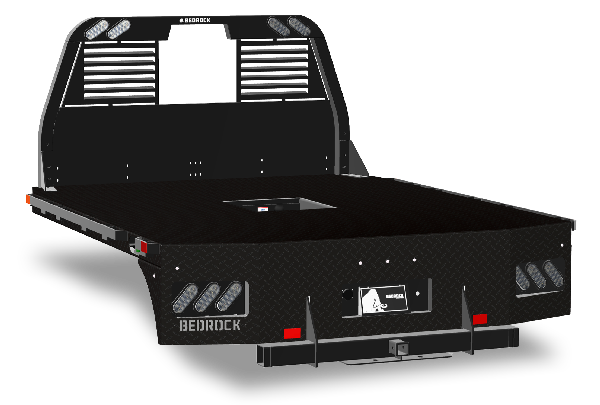
How can I use stake pockets for different cargo types?
Different cargo demands distinct tying‑down strategies, but the core process remains: position the load, select the appropriate strap or chain, thread it through the stake pockets, tension correctly, and secure with a proper lock. Following these steps ensures load stability across all freight categories.
Step‑by‑Step Guide to Using Stake Pockets
- Inspect the flatbed and pockets – Look for dents, rust, or missing bolts. Replace any compromised pocket before loading.
- Measure cargo dimensions – Record length, width, height, and weight. This informs which pockets to use and how many tie‑downs are needed.
- Select the right securing device – Use ratchet straps for lighter loads (≤2,000 lb), chain binders for heavy machinery (≥5,000 lb), and nylon webbing for delicate items.
- Position the load centrally – Center of gravity should be within the wheelbase; avoid over‑hang beyond the rear axle unless a rear‑overhang pocket is installed.
- Thread the strap or chain through the appropriate pockets – For rectangular loads, run straps through the front‑most and rear‑most pockets on each side; for irregular shapes, use diagonal pocket patterns.
- Apply tension gradually – Tighten the ratchet or chain binder in small increments to prevent sudden jerks that could damage the cargo.
- Check tension with a load‑tension gauge – Desired tension is typically 10‑15% of the cargo’s weight; over‑tightening can crush items, under‑tightening allows movement.
- Lock the device securely – Use a cam‑lock or a T‑bolt lock that meets ASTM F1127 standards.
- Secure any loose elements – Apply secondary straps or netting for items that could still swing.
- Perform a final walk‑around inspection – Verify that all straps are snug, pockets are not twisted, and there is no visible damage to the deck.
Pro Tip
Use high‑visibility, UV‑resistant straps with built‑in tension indicators. They make it easy to see at a glance whether a strap is properly tensioned, saving time on pre‑trip inspections.
Common Mistakes to Avoid
- Skipping pocket inspection – A corroded pocket can fail under load, causing catastrophic cargo shift.
- Using undersized straps – Always match the strap’s breaking strength to at least twice the cargo weight.
- Relying on a single tie‑down – Even heavy equipment needs at least three anchor points to distribute forces evenly.
- Ignoring DOT regulations – Failure to meet FMCSA requirements can result in fines and unsafe road conditions.
Which stake pocket setups work best for specific industries?
Each industry benefits from a tailored stake‑pocket configuration. Lumber carriers prioritize vertical spacing to prevent sagging, while heavy‑machinery haulers need reinforced rear pockets for extra pull‑out resistance. Selecting the right configuration maximizes safety and efficiency.
Comparison of Common Stake Pocket Uses
| Cargo Type | Recommended Pocket Spacing | Preferred Securing Device | Typical Load Weight Range | Key Considerations |
|---|---|---|---|---|
| Lumber & Plywood | 48 in (center‑to‑center) | Ratchet straps (½‑inch) | 1,000 – 4,000 lb | Prevent bowing; use edge protectors |
| Construction Equipment (Excavators, Forklifts) | 36 in (rear‑reinforced) | Heavy‑duty chain binders | 5,000 – 15,000 lb | Reinforce rear pockets; use double‑loop chains |
| Agricultural Machinery (Tractors, Harvesters) | 48 in + optional diagonal | Synthetic webbing with tension indicators | 3,000 – 12,000 lb | Protect sensitive fuel lines with padding |
| Recreational Gear (ATVs, Boats) | 48 in standard | Ratchet straps with cam‑locks | 500 – 2,500 lb | Use non‑abrasive sleeves to avoid surface damage |
How do I ensure compliance with DOT regulations when using stake pockets?
Compliance hinges on using the correct number of tie‑downs, proper tension, and documented inspections. The Federal Motor Carrier Safety Administration (FMCSA) requires that loads be secured to prevent movement of ¾ inch or more in any direction, and that the securing devices meet ASTM standards.
According to the FMCSA Cargo Securement Rules (49 CFR Part 393), each 10‑ft segment of a flatbed must have at least one tie‑down, and heavy loads demand additional anchors. Maintaining records of the tie‑down type, tension values, and inspection dates is recommended for audit readiness.
What maintenance does a stake pocket system require?
Regular maintenance extends the life of stake pockets and prevents costly failures. After each haul, wipe pockets clean of debris, lubricate bolts with anti‑seize compound, and re‑torque to manufacturer‑specified values (usually 70–90 ft‑lb for ½‑inch bolts). Conduct a bi‑annual ultrasonic inspection to detect internal cracks that aren’t visible to the naked eye.
A quick checklist:
- Daily: Visual inspection for rust, deformation, or missing hardware.
- Weekly: Tighten all pocket bolts; replace any worn straps.
- Monthly: Apply a light coat of corrosion‑inhibiting spray.
- Quarterly: Perform torque checks and document findings.
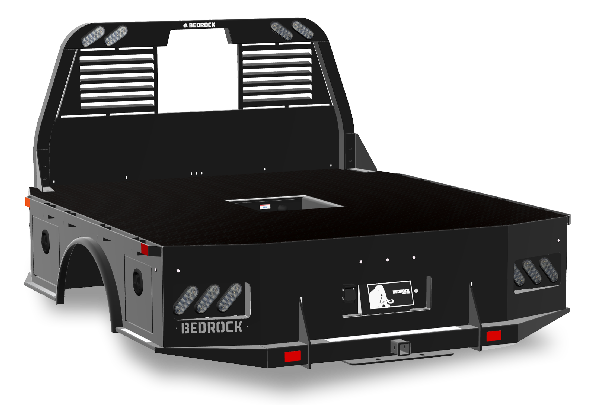
How can Bedrock Truckbeds help me choose the right flatbed and stake pocket configuration?
Bedrock Truckbeds offers a range of flatbed models—Diamond, Granite, Granite Plus, Onyx, and Marble—each featuring engineered stake pocket layouts. The Truck flatbed stake pocket uses guide on Bedrock’s site details which model best fits your industry, load profile, and budget, allowing you to make an informed purchase.
By leveraging Bedrock’s custom‑fabricated pockets, you gain factory‑tested strength, precise spacing, and the option to upgrade to reinforced rear pockets for extra pull‑out capacity.
Frequently Asked Questions
1. Can I retrofit stake pockets onto an older flatbed? Yes, Bedrock provides retrofit kits that weld into existing decks. Ensure the deck thickness meets the kit’s minimum gauge (usually 12 gauge) and have a certified welder perform the installation.
2. What is the minimum strap width for securing a 10,000 lb load? For loads over 5,000 lb, a minimum ¾‑inch wide ratchet strap with a breaking strength of at least 20,000 lb is recommended.
3. Are there any weight limits for the standard Diamond flatbed pockets? Standard Diamond pockets are rated for 10,000 lb pull‑out. For heavier applications, consider the reinforced Granite Plus model.
4. How often should I replace my tie‑down straps? Inspect straps for fraying, UV damage, or broken stitching. Replace any strap that shows wear or is older than five years, regardless of visual condition.
5. Do I need any special permits when using stake pockets for oversized loads? Oversized loads generally require a permit regardless of tie‑down method. However, correctly secured loads may qualify for lane exemptions in certain states. Always check state DOT regulations before transport.
6. What is the best way to protect delicate cargo when using stake pockets? Place non‑abrasive padding (e.g., foam blocks or rubber mats) between the cargo and the strap or chain. This distributes pressure and prevents surface damage.
7. Can I use the same stake pocket layout for both HVAC units and lumber? While the same pockets can secure both, you may need different strap configurations. HVAC units often require diagonal bracing to prevent swaying, whereas lumber can be tied straight across the width.
8. How do I verify that my tie‑down tension meets FMCSA standards? Use a calibrated load‑tension gauge. For a 5,000 lb load, aim for 500 – 750 lb of tension per strap (10‑15%). Document the readings in your daily log.
Interested in learning more?
Visit our website to explore products, find dealers, and get in touch.
Visit Bedrock Truck Beds →