
Truck Flatbed Stake Pocket Uses: Complete Guide for 2026
Master truck flatbed stake pocket uses with our step-by-step guide. Learn applications, installation tips, and common mistakes to maximize your flatbed's potential.
TL;DR: Stake pockets are versatile mounting points on truck flatbeds used for securing cargo, installing accessories, and creating custom tie-down systems. They accept removable stakes, rails, and specialized hardware for endless hauling configurations.
Truck Flatbed Stake Pocket Uses: Complete Guide for 2026
Truck flatbed stake pockets are among the most underutilized features on commercial vehicles. These simple rectangular openings along the edges of your flatbed offer incredible versatility for cargo management, accessory mounting, and custom hauling solutions. Whether you're a contractor, landscaper, or weekend warrior, understanding how to maximize your truck flatbed stake pocket uses can transform your hauling capabilities.
What Are Truck Flatbed Stake Pockets and How Do They Work?
Stake pockets are reinforced rectangular slots built into the sides of truck flatbeds, typically measuring 2 inches wide by 6 inches long. They're designed to accept removable stakes, rails, and specialized accessories that slide in and lock into place. These pockets distribute weight across the flatbed's frame structure, making them ideal mounting points for both temporary and semi-permanent installations.
Most modern flatbeds feature stake pockets spaced 24 to 48 inches apart along both sides and sometimes across the rear. The pockets extend through the bed's side rails and are reinforced with steel backing plates to handle substantial loads. This design allows you to customize your truck's hauling configuration based on specific job requirements.
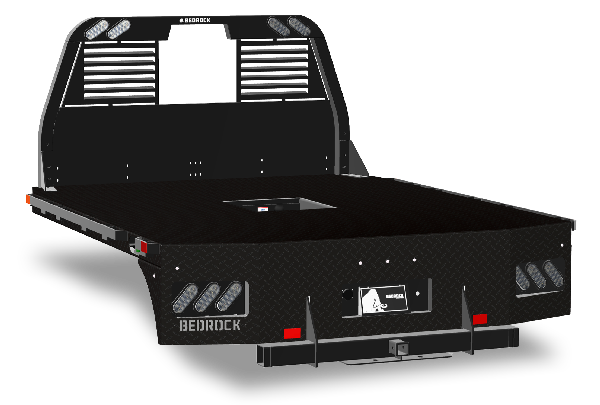
How to Use Stake Pockets for Cargo Containment?
The most common application involves installing removable side stakes to create cargo containment walls. Start by measuring your load requirements and selecting appropriate stake height – typically ranging from 24 to 60 inches. Insert the stakes into the pockets and secure them with the locking mechanism, usually a spring-loaded pin or cam lever system.
For maximum effectiveness, position stakes to create compartments that match your typical cargo dimensions. This prevents shifting during transport and maximizes space utilization. Always ensure stakes are fully seated and locked before loading cargo.
Step-by-Step Stake Installation Process
- Clean the stake pockets thoroughly, removing debris, ice, or corrosion that could prevent proper seating
- Inspect stake condition for bent tabs, worn locking mechanisms, or damaged components
- Align the stake with the pocket opening, ensuring proper orientation of locking tabs
- Insert firmly until the stake bottoms out in the pocket
- Engage the locking mechanism by rotating cam levers or pushing spring pins into position
- Test security by attempting to lift or rock the stake – it should not move
- Repeat the process for all required positions around your flatbed perimeter
What Accessories Can You Install in Stake Pockets?
Stake pockets accept far more than traditional wooden or aluminum stakes. The standardized dimensions allow for numerous specialized accessories that expand your truck's capabilities significantly.
| Accessory Type | Primary Use | Load Rating | Installation Time |
|---|---|---|---|
| Side Stakes | Cargo containment | 500-1000 lbs | 2-5 minutes |
| Tool Racks | Equipment organization | 200-500 lbs | 5-10 minutes |
| Lumber Racks | Material transport | 1000-2000 lbs | 10-15 minutes |
| Crane Mounts | Lifting operations | 2000-5000 lbs | 15-30 minutes |
| Winch Anchors | Recovery operations | 3000-8000 lbs | 5-10 minutes |
| Light Towers | Work illumination | 50-200 lbs | 5-15 minutes |
Tool racks slide into stake pockets and provide organized storage for shovels, rakes, and long-handled implements. Lumber racks create elevated storage for pipe, conduit, and dimensional lumber while keeping the deck clear for other cargo. Specialized mounts can accommodate everything from generators to spray tanks.
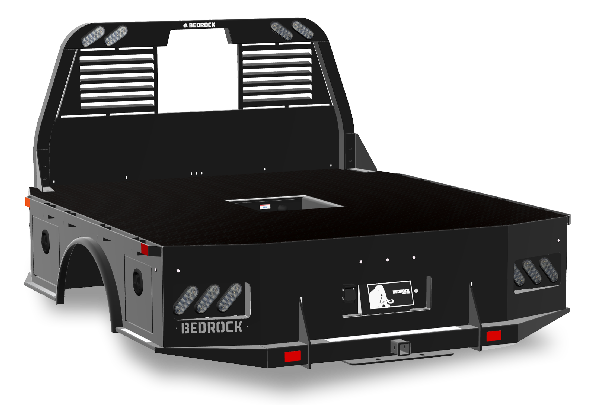
How to Create Custom Tie-Down Points Using Stake Pockets?
Stake pockets serve as anchor points for tie-down systems when direct cargo attachment isn't possible. Install tie-down stakes with integrated D-rings or cleats to create secure attachment points exactly where you need them.
This approach is particularly valuable when hauling irregularly shaped items like machinery, vehicles, or construction materials. Position tie-down stakes to create optimal restraint angles, typically between 45-60 degrees from horizontal. According to the Federal Motor Carrier Safety Administration, proper tie-down positioning is crucial for meeting cargo securement requirements.
Advanced Tie-Down Configurations
- Cross-bracing pattern – Install stakes at opposite corners to create X-pattern restraints
- Perimeter containment – Use stakes around the entire load perimeter for maximum security
- Directional restraint – Position stakes to resist specific movement directions based on cargo type
- Progressive tensioning – Install multiple stakes to allow staged tie-down tightening
What Are the Best Practices for Stake Pocket Maintenance?
Proper maintenance ensures reliable performance and extends stake pocket service life significantly. Inspect pockets monthly for wear, damage, or accumulated debris that could affect functionality.
Clean pockets regularly with compressed air or wire brushes to remove dirt, salt, and corrosion. Apply light oil to moving parts like cam levers or spring mechanisms, but avoid heavy grease that attracts debris. Replace worn components promptly – a failed locking mechanism can result in cargo loss or safety hazards.
Common Maintenance Issues and Solutions
- Corrosion buildup: Sand lightly and apply rust preventative coating
- Bent pocket edges: File smooth or replace the entire pocket assembly
- Worn locking mechanisms: Replace springs, pins, or cam levers as complete units
- Debris accumulation: Establish regular cleaning schedule, especially after winter operations
How to Choose the Right Stakes for Your Application?
Stake selection depends on load requirements, durability needs, and specific application demands. Aluminum stakes offer corrosion resistance and light weight but have lower strength ratings. Steel stakes provide maximum durability and load capacity but require regular maintenance to prevent rust.
Consider stake height based on cargo dimensions – taller isn't always better if it creates excessive wind resistance or clearance issues. Many operators maintain multiple stake sets for different applications rather than using one-size-fits-all solutions.
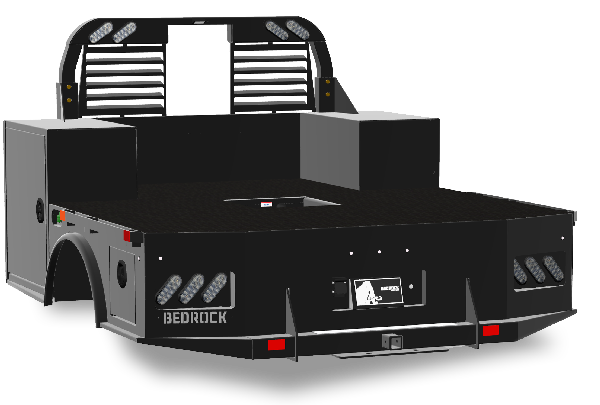
For professional applications, consider investing in a quality Quad Granite Flatbed | Bedrock Truck Beds system that provides optimized stake pocket placement and reinforcement for heavy-duty use.
What Mistakes Should You Avoid When Using Stake Pockets?
The most common mistake is overloading individual stake pockets beyond their design limits. Each pocket has a specific weight rating that shouldn't be exceeded, even if the overall truck capacity allows higher loads. Distribute weight across multiple pockets rather than concentrating it in single points.
Another frequent error involves using damaged or worn stakes that may fail under load. Inspect all components before each use and replace questionable items immediately. The cost of new stakes is negligible compared to potential cargo damage or safety incidents.
Critical Safety Mistakes to Avoid
- Using bent or cracked stakes – These can fail suddenly under load
- Improper locking engagement – Partially engaged locks will release during transport
- Exceeding weight ratings – Individual pockets have specific load limits regardless of truck capacity
- Mixing incompatible components – Different manufacturers' stakes may not properly fit all pocket designs
- Ignoring corrosion damage – Weakened pockets can fail catastrophically
- Poor weight distribution – Concentrating loads in single pockets rather than spreading across multiple points
How to Modify Stake Pockets for Specialized Applications?
While stake pockets come in standard dimensions, many applications benefit from custom modifications or specialized hardware. Welded-in threaded inserts can accept bolted accessories for permanent installations. Reinforcement plates can increase load capacity for heavy-duty applications.
Consider adding drain holes if pockets accumulate water in your operating environment. Custom-machined adapters can allow use of non-standard accessories or provide better fit for specific applications.
Professional Modification Options
- Threaded insert installation for permanent accessory mounting
- Reinforcement welding to increase load capacity
- Drain hole addition to prevent water accumulation
- Custom adapter fabrication for specialized equipment
- Protective coating application for harsh environment use
According to the Truck Trailer Manufacturers Association, proper modifications should maintain structural integrity while adding functionality.
What Are the Load Limits for Different Stake Pocket Applications?
Understanding load limits prevents equipment damage and ensures safe operation. Standard stake pockets typically handle 500-1000 pounds of vertical load per pocket, but this varies based on manufacturer specifications and installation quality.
Horizontal loads from cargo pressure or tie-down tension are generally lower – typically 200-500 pounds per pocket. Always consult your flatbed manufacturer's specifications for exact ratings, as these can vary significantly between models and construction methods.
Distribute loads across multiple pockets whenever possible rather than concentrating weight in single points. This approach improves safety margins and prevents premature wear or failure.
How Do Stake Pockets Integrate with Modern Cargo Management Systems?
Today's cargo management systems often incorporate stake pockets as part of comprehensive restraint strategies. Electronic monitoring systems can integrate with stake-mounted sensors to track cargo position and restraint tension in real-time.
Modular rack systems use stake pockets as foundation points for complex storage configurations that can be reconfigured quickly for different applications. This flexibility makes modern flatbeds incredibly versatile for businesses with varying hauling needs.
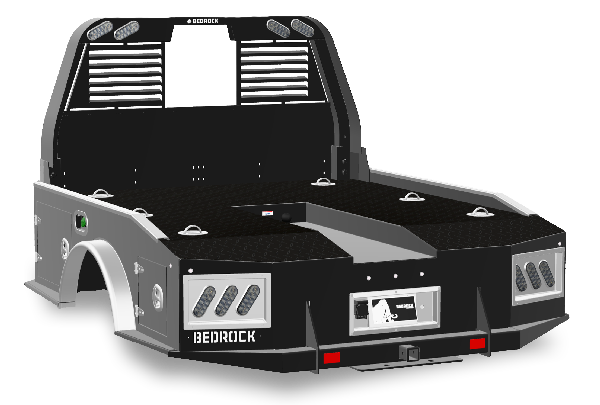
The integration capabilities make investing in a quality flatbed system like those available from Bedrock Truckbeds particularly valuable for professional applications where versatility and reliability are crucial.
FAQ
Q: How many pounds can a standard stake pocket handle? A: Most standard stake pockets are rated for 500-1000 pounds vertical load and 200-500 pounds horizontal load. Always check your specific flatbed manufacturer's specifications.
Q: Can I weld accessories directly to stake pockets? A: While possible, welding modifications may void warranties and affect structural integrity. Consider removable mounting solutions or consult the manufacturer first.
Q: What's the standard stake pocket size? A: Standard dimensions are typically 2 inches wide by 6 inches long, but some variations exist. Measure your pockets before purchasing accessories.
Q: How often should I inspect stake pockets? A: Monthly visual inspections are recommended, with more frequent checks if operating in harsh conditions or carrying heavy loads regularly.
Q: Can I install additional stake pockets on my existing flatbed? A: Yes, but installation requires proper reinforcement and should be performed by qualified fabricators to maintain structural integrity.
Q: What materials are best for stakes? A: Aluminum offers corrosion resistance and light weight, while steel provides maximum strength. Choose based on your specific load and durability requirements.
Q: Do stake pockets require regular lubrication? A: Light lubrication of moving parts helps prevent corrosion and ensures smooth operation, but avoid heavy grease that attracts debris.
Q: Can stake pockets be used for recovery operations? A: Some heavy-duty pockets can accept recovery hardware, but verify load ratings and proper installation before attempting recovery operations.
Interested in learning more?
Visit our website to explore products, find dealers, and get in touch.
Visit Bedrock Truck Beds →