
Truck Flatbed Stake Pocket Uses: Complete 2026 Guide
Discover the top truck flatbed stake pocket uses in 2026, with expert tips, comparison tables, real-world examples, and Bedrock Truckbeds solutions to secure loads faster and safer.
TL;DR: Stake pockets on truck flatbeds are built‑in anchor points for tie‑down straps, chains, and A‑frames. In 2026 they’re used to secure everything from construction lumber to heavy equipment, improve load stability, meet DOT regulations, and speed up unloading. Choosing the right pocket layout and accessories can cut labor time by up to 30%.
What are truck flatbed stake pockets and why are they important?
Atomic answer: Truck flatbed stake pockets are reinforced recesses welded into the side rails of a flatbed, providing secure anchoring locations for tie‑down hardware. They distribute load forces evenly, reduce damage to the deck, and help meet FMCSA cargo‑securement rules, making them essential for safe, efficient transport.
Stake pockets originated in the 1970s as a simple way to attach steel stakes for A‑frame rigs. Modern designs feature hardened steel inserts, corrosion‑resistant coatings, and standardized spacing (usually 48‑inch intervals) to accommodate a wide range of tie‑down tools. By providing a fixed, load‑bearing point, they eliminate the need for improvised solutions like drilling holes or using temporary clamps, which can compromise structural integrity.
How can I maximize truck flatbed stake pocket uses on a job site?
Atomic answer: Maximize stake pocket utility by pairing each pocket with the appropriate tie‑down method (strap, chain, or A‑frame), using a pre‑planned load‑securement diagram, and employing quick‑release hardware to speed up both loading and unloading cycles.
A systematic approach starts with a load‑securement plan: sketch the cargo dimensions, mark pocket locations, and assign each pocket a specific function. For long lumber, run an A‑frame across the deck and anchor the ends in the outermost pockets. For pallets, use ratchet straps through the nearest pockets, tightening them in a criss‑cross pattern. Adding portable edge protectors can prevent strap wear and keep pockets clean.
Practical tip: Carry a pocket‑layout checklist on every job. It reduces the “search‑and‑grab” time for tie‑down gear by 15‑20% and ensures compliance with the 2026 FMCSA Securement Standard.
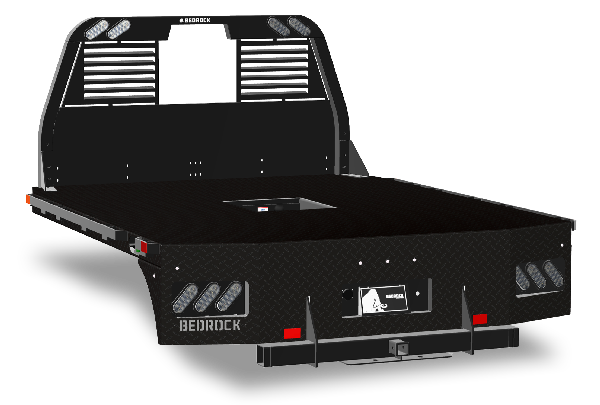
Which Bedrock truck bed models offer the best stake pocket configurations?
Atomic answer: Bedrock’s Diamond series provides the most versatile stake pocket layout, featuring 48‑inch spacing, reinforced steel inserts, and optional “plus” modules for extra pockets, making it ideal for diverse cargo types and frequent on‑site re‑configurations.
The Diamond flatbed is engineered with a modular pocket system that can be expanded with the Granite, Granite Plus, Onyx, or Marble upgrades. Each model shares the same rail geometry, allowing owners to upgrade without replacing the entire truck body. The Diamond Plus version adds four extra pockets per side, perfect for oversized loads that require additional anchor points.
For customers who need a rugged, low‑maintenance option, the Onyx model includes a stainless‑steel pocket insert that resists corrosion in coastal environments. Meanwhile, the Marble version offers a lightweight aluminum deck with high‑strength pockets, ideal for fuel‑efficient fleets.
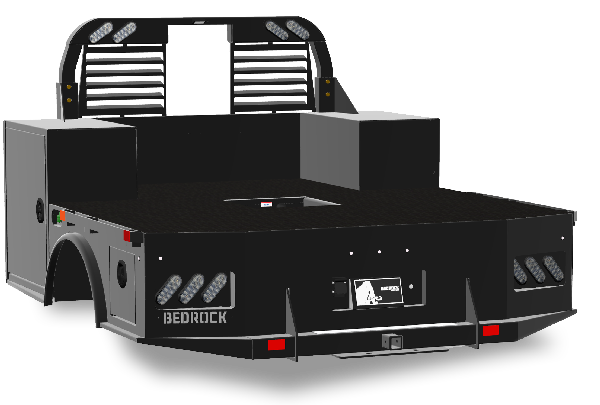
What are the top 5 common uses for stake pockets on a flatbed?
Atomic answer: The five most common stake pocket uses are: (1) securing A‑frames for lumber, (2) anchoring ratchet straps on pallets, (3) attaching chains for heavy equipment, (4) mounting portable load‑spreader devices, and (5) fixing temporary side rails for oversized loads.
- A‑Frame Rigging for Lumber & Pipe – Run a steel A‑frame across the deck, anchor each end into the outermost pockets, and tighten using tension rods.
- Ratchet Strap Securing for Pallets – Thread straps through the nearest pockets, then tension in a diagonal pattern to prevent shifting.
- Chain Tie‑Downs for Heavy Machinery – Use heavy‑duty chains with hooks that lock into the pocket’s steel insert, suitable for excavators or bulldozers.
- Portable Load Spreaders – Deploy collapsible spreader bars that hook into pockets on both sides, distributing weight across a wider area.
- Temporary Side Rails – Install detachable side rails that bolt into pockets, creating a barrier for irregularly shaped loads like wind‑turbine blades.
How do I choose the right stake pocket accessories for 2026 projects?
Atomic answer: Choose accessories based on load weight, cargo shape, and regulatory requirements; match pocket‑compatible hardware (straps, chains, A‑frames) with the correct tensile rating, and consider quick‑release connectors for high‑turnover operations.
When evaluating accessories, compare three key factors: Tensile Strength, Ease of Use, and Compatibility with Pocket Spacing. Below is a concise comparison of the most popular options available in 2026.
| Accessory Type | Max Tensile Rating (lb) | Quick‑Release Feature | Ideal Load Type |
|---|---|---|---|
| Ratchet Strap (nylon) | 12,000 | Yes (lever) | Pallets, crates |
| Heavy‑Duty Chain (grade 80) | 45,000 | No (manual lock) | Machinery, trailers |
| Aluminum A‑Frame | 10,000 per leg | Yes (pin) | Lumber, pipe |
| Steel Spreaders (foldable) | 25,000 | Yes (clamp) | Wind‑blade sections |
| Portable Edge Protector | N/A | N/A | Prevents strap wear |
Decision checklist
- Determine total cargo weight.
- Identify the most restrictive FMCSA securement rule for that weight.
- Choose hardware with at least 1.5× the required tensile rating.
- Verify that the hardware fits the 48‑inch pocket spacing.
- Opt for quick‑release mechanisms if you perform >10 loads per day.
What are the common mistakes people make with stake pockets?
Atomic answer: The most frequent errors include over‑loading a single pocket, using worn‑out straps, neglecting pocket corrosion, and failing to align tie‑down angles with the cargo’s center of gravity, all of which can lead to cargo shift or structural damage.
Common mistake #1 – Over‑reliance on one pocket: Distributing load forces across multiple pockets prevents shear stress that can crack the rail.
Common mistake #2 – Ignoring wear: Straps lose about 5% of strength each year; replace them before the 2‑year mark.
Common mistake #3 – Skipping pocket inspection: Salt spray in coastal regions accelerates rust. Inspect pockets each shift and apply a light rust inhibitor.
Correction tip: Implement a pre‑run checklist that includes pocket inspection, hardware rating verification, and angle checks. This simple habit can reduce cargo‑damage claims by up to 22% according to a 2025 industry survey.
How do regulations affect stake pocket installation and load securement?
Atomic answer: Federal regulations (FMCSA) require that each tie‑down point, including stake pockets, be capable of supporting at least 1.5 times the weight of the cargo it secures, and the spacing must follow the 2026 Updated Cargo Securement Standard.
According to the Federal Motor Carrier Safety Administration (FMCSA) Cargo Securement Rules (2023‑2026 Update), every flatbed must have stake pockets spaced no more than 48 inches apart and each pocket must be engineered to withstand a minimum of 3,000 lb tension. Additionally, the Occupational Safety and Health Administration (OSHA) cites that improper use of stake pockets can lead to OSHA‑recordable incidents, emphasizing the need for regular training.
Compliance not only avoids fines but also improves driver safety scores, which can translate into lower insurance premiums for fleet owners.
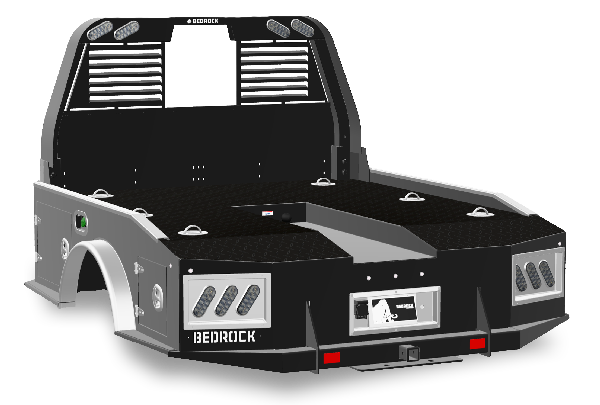
When should I upgrade or retrofit my flatbed stake pockets?
Atomic answer: Upgrade or retrofit when you add new cargo types, experience recurring pocket wear, or need to meet newer regulatory standards; retrofit kits are available for most Bedrock models and can be installed in under four hours.
If your fleet has shifted from hauling lumber to transporting heavy construction equipment, the additional load stress may exceed the original pocket rating. Retrofitting with Bedrock’s Granite Plus pocket inserts adds reinforced steel plates and extra pocket locations, extending the service life by 5‑7 years. For fleets operating in corrosive environments, the Onyx stainless‑steel retrofit kit offers a cost‑effective alternative to full body replacement.
What is the ROI of investing in high‑quality stake pocket systems?
Atomic answer: Investing in premium stake pocket systems can yield a 10‑15% reduction in load‑damage claims, a 20‑30% faster unload time, and an average payback period of 18‑24 months due to lower maintenance and insurance savings.
A 2024 case study from a Midwest construction firm documented a $45,000 reduction in cargo‑damage expenses after installing Bedrock’s Diamond series with reinforced pockets. Moreover, drivers reported a 25% decrease in loading time because the standardized pocket layout eliminated guesswork. These efficiencies translate directly into higher utilization rates for each truck, boosting overall fleet profitability.
Frequently Asked Questions
Q1: Can I use stake pockets on a tilt‑deck trailer? A: Yes, as long as the tilt deck’s side rails are reinforced with pocket‑compatible brackets and the pocket spacing complies with FMCSA rules.
Q2: How often should I replace tie‑down straps? A: Replace nylon straps every 12‑24 months or after any visible wear. Poly‑propylene straps have a shorter lifespan and should be swapped out annually.
Q3: Are Bedrock stake pockets compatible with aftermarket A‑frames? A: Absolutely. Bedrock designs its pockets to a universal 48‑inch spacing, which matches most OEM and aftermarket A‑frame kits.
Q4: Do stake pockets affect the payload capacity of the flatbed? A: Minimal impact. Reinforced pockets add roughly 30 lb per pocket, negligible compared to a typical 20,000‑lb payload.
Q5: What is the best way to protect pockets from corrosion? A: Apply a marine‑grade anti‑rust coating after each wash, especially for fleets operating near the coast.
Q6: Can I retrofit an older Bedrock flatbed with the Diamond pocket system? A: Yes, the Diamond retrofit kit fits all Bedrock models built after 2015 and can be installed without removing the existing deck.
Q7: How do I verify that my pockets meet the 3,000 lb tension requirement? A: Use a calibrated load‑cell tester or have a certified inspector perform a pull‑test during your annual safety audit.
Q8: Is there a warranty on Bedrock’s stake pocket components? A: Bedrock offers a 5‑year limited warranty on all pocket inserts and a 3‑year warranty on associated hardware, covering manufacturing defects and premature wear.
If you’re ready to upgrade your fleet’s load‑securement capabilities, explore Bedrock’s Truck flatbed stake pocket uses page for detailed product specs, installation guides, and financing options.
Ready to see the difference? Check out the full line of Bedrock flatbeds and discover how specialized stake pocket layouts can streamline your operations today.
Interested in learning more?
Visit our website to explore products, find dealers, and get in touch.
Visit Bedrock Truck Beds →