
Essential Truck Flatbed Maintenance Tips: Step‑by‑Step Guide
Discover proven truck flatbed maintenance tips with step‑by‑step instructions, common mistakes to avoid, and a material comparison table. Keep your flatbed performing at its best in 2026.
TL;DR: Proper truck flatbed maintenance combines daily visual checks, scheduled deep inspections, proper cleaning, and the right protective material. Follow a step‑by‑step routine, avoid common pitfalls like ignored corrosion, and use a checklist to extend lifespan while staying compliant with 2026 safety standards.
What daily visual checks should I perform on my truck flatbed?
Atomic answer: Every day before hitting the road, inspect the flatbed for visible damage, loose bolts, worn tie‑downs, and fluid leaks. Check the surface for debris, corrosion spots, and ensure all safety devices function. These quick checks catch problems early, preventing costly repairs and downtime.
- Walk‑around inspection – Look for dents, rust, or cracked welds.
- Tie‑down hardware – Verify that all straps, chains, and ratchets are secure and undamaged.
- Bolt and fastener audit – Tighten any loose bolts using a torque wrench to spec.
- Fluid check – Look under the deck for oil, hydraulic fluid, or water accumulation.
- Safety devices – Test lights, alarms, and any anti‑theft systems.
Pro tip: Carry a small magnetic checker; a weak magnet can reveal hidden rust under paint that isn’t visible to the naked eye.
How often should I schedule deep maintenance for my flatbed?
Atomic answer: Deep maintenance should be performed every 6,000 – 10,000 miles or quarterly, whichever comes first, and after any heavy‑load incident. This includes structural inspections, coating re‑application, and professional alignment checks to ensure the flatbed remains level and safe.
| Maintenance Interval | Recommended Actions | Typical Downtime |
|---|---|---|
| 6,000 miles (≈ 3 months) | Tighten all bolts, lubricate hinges, inspect welds, clean surface | 2‑4 hours |
| 10,000 miles (≈ 6 months) | Full coating inspection, re‑apply protective layer, check frame alignment | 1‑2 days |
| After heavy‑load impact | Immediate structural inspection, non‑destructive testing (NDT) if needed | Variable |
Why it matters: The FMCSA requires that flatbeds be kept in “good mechanical condition” (see FMCSA Maintenance Requirements). Skipping these intervals can lead to compliance violations and higher repair costs.
Which cleaning methods keep a flatbed in top condition?
Atomic answer: The safest and most effective cleaning method uses a low‑pressure (≤ 120 psi) water rinse, biodegradable degreaser, and a soft‑bristle brush. Avoid high‑pressure washing that can force water into weld seams and cause corrosion.
- Pre‑rinse – Remove loose dirt with a hose.
- Apply degreaser – Use an EPA‑approved biodegradable cleaner.
- Soft‑brush scrub – Work in sections, focusing on seams.
- Rinse with low pressure – Prevent water infiltration.
- Dry thoroughly – Use air blowers or microfiber towels.
Common mistake: Using a pressure washer > 150 psi. It can erode protective coatings and introduce moisture into structural joints, leading to hidden rust.
What are the most common flatbed maintenance mistakes to avoid?
Atomic answer: The top three mistakes are neglecting corrosion control, using improper cleaning tools, and skipping scheduled bolt torque checks. Each error accelerates wear, compromises safety, and often violates regulatory standards.
| Mistake | Consequence | Prevention |
|---|---|---|
| Ignoring early rust | Structural weakening, costly weld repairs | Perform weekly rust spot checks and apply touch‑up sealant |
| High‑pressure washing | Coating damage, water ingress | Use ≤ 120 psi, follow cleaning guide |
| Skipping torque checks | Loose hardware, load shift, accidents | Use a calibrated torque wrench every 6,000 mi |
How do I choose the right flatbed protection material?
Atomic answer: Selecting a protective material depends on durability, weight, cost, and the operating environment. Bedrock’s Diamond, Granite, Granite Plus, Onyx, and Marble lines each balance these factors differently, letting owners match material to payload and climate.
| Material | Approx. Thickness (mm) | Wear Rating (ASTM D7028) | Weight (kg/m²) | Estimated Cost (USD) |
|---|---|---|---|---|
| Diamond | 6 | 9/10 | 45 | $120 |
| Granite | 5 | 7/10 | 38 | $95 |
| Granite Plus | 5 | 8/10 | 40 | $105 |
| Onyx | 4 | 6/10 | 35 | $85 |
| Marble | 4 | 5/10 | 33 | $80 |
The Diamond surface offers the highest wear resistance, ideal for heavy‑load carriers in abrasive environments. Granite Plus gives a balance of durability and weight savings for mixed‑load fleets. Choose based on your typical cargo, distance, and budget.
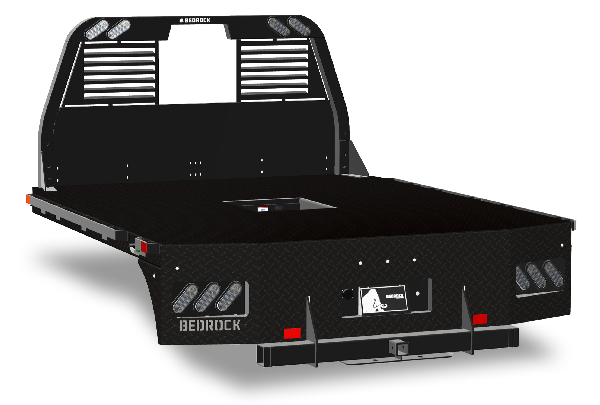
For a deeper dive into material performance, see our detailed guide on Truck flatbed maintenance tips.
Which tools and supplies belong in my flatbed maintenance kit?
Atomic answer: A well‑stocked kit includes a torque wrench (calibrated), magnetic bolt checker, rust remover, epoxy filler, a set of stainless‑steel bolts, a low‑pressure hose, biodegradable degreaser, and a portable air compressor for drying.
| Item | Recommended Spec |
|---|---|
| Torque wrench | 0‑150 Nm, digital readout |
| Magnetic checker | Strong neodymium magnet |
| Degreaser | EPA‑approved, biodegradable |
| Epoxy filler | UV‑resistant, marine grade |
| Air compressor | 90 psi, 2 gpm |
Keep the kit in a lockable compartment on the cab for quick access during roadside checks.
How can I protect my flatbed from extreme weather in 2026?
Atomic answer: In 2026, climate‑related temperature swings demand proactive measures: apply UV‑resistant sealants, use insulated covers during storage, and schedule quarterly inspections after severe weather events to address any new corrosion or coating damage.
- Apply UV‑resistant sealant – Recoat annually.
- Use insulated cover – Prevent ice buildup in winter.
- Post‑storm inspection – Look for impact damage or water intrusion.
- Temperature‑aware torque – Re‑torque bolts after extreme cold, as metal contracts.
According to the American Society of Mechanical Engineers (ASME), temperature fluctuations can increase bolt preload loss by up to 15 % (see ASME Bolt Preload Study). Adjust maintenance frequency accordingly.
What does a complete step‑by‑step flatbed maintenance checklist look like?
Follow it rigorously to keep your flatbed in optimal condition and stay compliant with FMCSA guidelines.
Daily Checklist
- Walk‑around visual inspection.
- Verify tie‑down hardware integrity.
- Check for fluid leaks.
- Test safety lights and alarms.
Weekly Checklist
- Clean surface with low‑pressure wash.
- Lubricate hinges and moving parts.
- Inspect bolt torque with a calibrated wrench.
Monthly Checklist
- Apply rust inhibitor to any spotted areas.
- Examine protective coating for wear.
- Review maintenance kit inventory.
Quarterly (or 6,000‑mi) Checklist
- Perform full structural inspection.
- Re‑coat surface if wear rating < 7/10.
- Align frame and verify levelness.
- Update maintenance logs for compliance.
Pro tip: Digitize this checklist with a tablet and store PDF copies in the cab for quick reference; it reduces paperwork and ensures consistency across drivers.
FAQ
Atomic answer: Quick answers to the most common questions about truck flatbed maintenance, helping you troubleshoot and stay ahead of problems.
- How often should I re‑apply the protective coating?
- Typically every 12‑18 months, or sooner if wear rating drops below 7/10 on the ASTM scale.
- Can I use regular automotive paint on a flatbed?
- No. Automotive paint lacks the abrasion resistance and UV protection required for heavy‑load decks. Use a coating certified for commercial flatbeds.
- What is the best way to prevent rust on weld seams?
- Apply a marine‑grade epoxy primer immediately after welding and follow with a top‑coat of UV‑resistant sealant.
- Do I need a special license to perform deep maintenance?
- Not usually, but technicians must be trained per FMCSA standards and maintain a record of inspections.
- How do I know if my torque wrench is calibrated?
- Send it to a certified calibration lab annually; many shops offer on‑site calibration services.
- Is a pressure washer ever acceptable?
- Only if it’s set to ≤ 120 psi and used with a fan‑wide nozzle to avoid concentrated streams.
- What’s the most cost‑effective protective material?
- Granite offers solid durability at a lower cost than Diamond, making it ideal for mid‑range fleets.
- How can I track maintenance compliance?
- Use the FMCSA’s Electronic Logging Device (ELD) integrated maintenance module or a dedicated fleet management software.
Stay ahead of wear, avoid costly downtime, and keep your flatbed compliant with these proven maintenance tips. For more advanced material options and detailed specs, explore Bedrock’s premium flatbed line.
Interested in learning more?
Visit our website to explore products, find dealers, and get in touch.
Visit Bedrock Truck Beds →