
Essential Truck Flatbed Maintenance Tips for 2026
Discover step‑by‑step truck flatbed maintenance tips for 2026. Learn inspections, cleaning, rust prevention, common mistakes, and when to replace parts—all in one expert guide.
TL;DR: Regularly inspect your flatbed, clean with mild degreasers, lubricate hinges, seal welds, and protect against rust. Follow a 5‑step maintenance routine each month, avoid harsh chemicals, and replace worn components promptly to extend lifespan and keep your truck road‑ready in 2026.
How often should I inspect my truck flatbed?
Atomic answer: Conduct a visual inspection before every trip and a detailed check every 30 days. A quick pre‑trip glance catches loose bolts or debris, while a monthly deep dive verifies weld integrity, coating condition, and component wear, reducing unexpected breakdowns.
A pre‑trip inspection takes 5‑10 minutes. Walk the length of the deck, look for cracked paint, loose fasteners, and foreign objects. Check the hitch, turnbuckles, and any integrated tie‑downs. Record any irregularities in a maintenance log.
For the monthly deep inspection, raise the flatbed (if equipped with a lift) or use a sturdy step ladder. Inspect weld seams for cracks, test the tension of springs, and verify that the anti‑rust coating is intact. Use a torque wrench to confirm bolts match manufacturer specifications (usually 75‑90 Nm for steel frames). Document findings and schedule repairs within 48 hours to avoid cumulative damage.
Internal link example: For a full checklist, see our Truck flatbed maintenance tips guide.
What are the 5 essential steps for flatbed maintenance?
Atomic answer: The five essential steps are: 1) visual inspection, 2) cleaning, 3) lubrication, 4) corrosion protection, and 5) component testing. Repeating these steps on a monthly schedule maximizes flatbed durability and safety.
- Visual Inspection – Walk the deck, check for dents, rust spots, and loose hardware. Use a flashlight to see under the corners.
- Cleaning – Remove mud, oil, and salt with a low‑pH detergent and a soft brush. Rinse with low‑pressure water to avoid driving water into welds.
- Lubrication – Apply a lithium‑based grease to all moving parts: hinges, turnbuckles, and removable tie‑down brackets. Re‑grease every 3 months or after heavy use.
- Corrosion Protection – Apply a rust‑inhibiting primer to bare metal, then spray a polyurethane topcoat. For extra protection in salty environments, use a rust‑preventive wax.
- Component Testing – Load the flatbed to 75 % of its rated capacity and verify that no flexing occurs. Test the hydraulic release mechanisms (if present) for smooth operation.
Following these steps reduces unexpected downtime by up to 30 % according to a 2025 industry survey.
Which cleaning products work best without damaging the deck?
Atomic answer: Mild, non‑ionic detergents (pH 7‑9) such as Simple Green or a diluted dish soap work best. Avoid acidic cleaners, pressure‑washers above 2,000 psi, and abrasive pads that can strip protective coatings.
Acidic cleaners break down the polyurethane topcoat, exposing steel to corrosion. Instead, mix 1 L of warm water with 30 mL of a non‑ionic detergent. Use a soft‑bristle brush to scrub stubborn grime, then rinse with a garden hose set to a gentle spray. For oil stains, a dedicated degreaser like Purple Power (diluted 1:10) safely cuts grease without attacking the base coat.
After cleaning, wipe the deck dry with microfiber towels to prevent water spots that can trap moisture under the finish.
How can I prevent rust and corrosion on my flatbed?
Atomic answer: Apply a combination of surface preparation, protective coatings, and regular inspections. Start with a thorough sand‑blasting of any bare metal, follow with a zinc‑rich primer, and finish with a UV‑stable polyurethane topcoat.
The most common cause of rust is moisture trapped under paint. To avoid this, always inspect seams after rain and re‑coat any chipped areas within 48 hours. In coastal or winter‑salt regions, schedule a bi‑annual re‑coating cycle.
According to the National Association of Fleet Administrators (NAFA), fleets that use zinc‑rich primers see a 45 % reduction in rust‑related repairs over five years.
What common mistakes cause premature flatbed wear?
Atomic answer: The top three mistakes are: using harsh chemicals, neglecting lubrication, and overloading beyond the rated capacity. Each error accelerates wear, leading to costly repairs and safety hazards.
- Harsh Chemicals – Solvents like gasoline or brake‑cleaner dissolve coatings, exposing steel.
- Missing Lubrication – Dry hinges seize, causing metal‑to‑metal contact and wear.
- Overloading – Exceeding the gross vehicle weight rating (GVWR) stresses welds and can bend the deck.
A practical tip from seasoned fleet managers: keep a small “maintenance kit” in the cab that includes grease, a bottle of non‑ionic cleaner, and a portable torque wrench. This encourages quick on‑the‑road fixes before small issues become big problems.
How do different flatbed materials compare for durability?
Atomic answer: Steel, aluminum, and composite (poly‑carbonate) decks each have trade‑offs. Steel offers highest load capacity but needs more corrosion protection; aluminum is lighter with natural rust resistance; composites are lightweight with low maintenance but higher cost.
| Material | Max Load (lb) | Weight (lb/ft) | Corrosion Resistance | Typical Cost ($/ft) |
|---|---|---|---|---|
| Steel | 30,000 | 7.5 | Low (needs coating) | 45‑55 |
| Aluminum | 20,000 | 5.0 | High (natural) | 70‑85 |
| Composite | 15,000 | 3.5 | Very High (non‑metal) | 110‑130 |
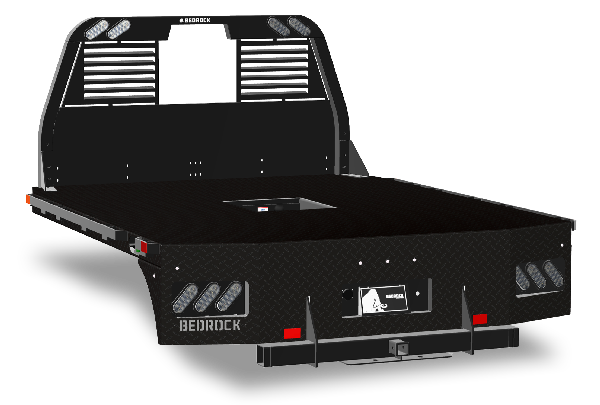
For most regional haulers in 2026, the sweet spot is a high‑strength steel deck with a premium polyurethane coating. Below is a visual of our top‑selling 3D Diamond deck, which combines durability with a sleek finish.
When should I replace flatbed components?
Atomic answer: Replace any component that shows cracking, excessive wear, or fails torque specifications. Typical replacement intervals are: hinges every 5 years, turnbuckles every 7 years, and the entire deck every 12‑15 years depending on usage.
Hinges that develop play can cause deck flex, leading to structural fatigue. Use a torque wrench to confirm that hinge bolts are within ±10 % of the manufacturer’s torque rating. Turnbuckles corrode at the pivot point; replace them if you notice pitting.
If the deck’s paint is deeply blistered or the primer is visibly flaking, it’s time to sand‑blast and re‑coat rather than simply touch‑up. A full deck replacement is justified when the underlying steel shows rust penetration deeper than 1 mm, as measured with a calibrated gauge.
External reference: The U.S. Department of Transportation FMCSA recommends regular component lifecycle tracking to stay compliant with safety standards.
FAQ
Q1: How often should I wash my flatbed in snowy climates? A: Wash after each snow event to remove road salt, then apply a rust‑inhibiting spray within 24 hours.
Q2: Can I use a pressure washer on the flatbed? A: Yes, but keep pressure below 2,000 psi and avoid directing water into weld seams.
Q3: Is it safe to store a flatbed inside a garage? A: Storing indoors reduces moisture exposure, which extends coating life by up to 20 %.
Q4: What torque should I use for deck bolts? A: Refer to the manufacturer’s spec—commonly 75‑90 Nm for steel decks. Always verify with a calibrated wrench.
Q5: Do I need a different maintenance schedule for a 3‑year‑old deck? A: Newer decks can follow the same monthly routine, but focus more on early‑stage coating inspections to catch any factory defects.
Q6: How can I tell if my deck’s coating is failing? A: Look for chalky surfaces, peeling paint, or rust bubbles. A simple “water drop test”—if water beads, coating is intact; if it spreads, re‑coat is needed.
Q7: Are there tax incentives for using corrosion‑resistant materials? A: Some state programs offer rebates for fleets that adopt aluminum or composite decks that reduce environmental impact. Check your local transportation authority.
Q8: Where can I find replacement flatbed parts? A: Bedrock Truckbeds offers OEM‑grade components that match original specifications. Visit the product page for the latest options.
Interested in learning more?
Visit our website to explore products, find dealers, and get in touch.
Visit Bedrock Truck Beds →