
Truck Flatbed Maintenance Tips: Step-by-Step 2026 Guide
Discover essential truck flatbed maintenance tips for 2026. Follow our step‑by‑step guide, avoid common mistakes, and keep your flatbed running safely and efficiently.
TL;DR: Proper truck flatbed maintenance in 2026 means daily visual checks, weekly bolt tightening, monthly surface cleaning, and quarterly professional inspections. Use the right cleaners, lubricants, and torque specs, and document every task to prevent costly downtime and extend the life of your bed.
What are the essential truck flatbed maintenance tips for 2026?
Answer: The most critical tips include daily visual inspections, weekly torque checks on all fasteners, monthly cleaning of the deck surface, quarterly professional alignment and brake checks, and keeping a detailed maintenance log. Following this routine reduces wear, improves safety, and maximizes resale value.
Keeping a flatbed in top condition is a mix of disciplined routine and knowing where to focus effort. Below is a numbered, step‑by‑step guide that works for most Class 8 tractors, whether you haul lumber, machinery, or oversized cargo.
Step‑by‑Step Maintenance Checklist
- Daily Visual Walk‑Around – Before every shift, walk the entire bed. Look for loose bolts, cracked decking, foreign objects, and fluid leaks. A quick 2‑minute scan catches most issues before they become costly.
- Check Tire Pressure & Wear – Flatbed stability hinges on proper tire pressure. Verify against the manufacturer's chart (usually printed on the door jamb) and inspect tread depth for uneven wear.
- Secure All Lashing Points – Verify that each ratchet, hook, and tie‑down eyelet is free of rust and moves freely. Replace any worn components immediately.
- Inspect Deck Surface – For aluminum or composite decks, look for dents, corrosion, or delamination. For wood decks, check for rot, splinters, and loose boards.
- Tighten Bolts to Torque Specs – Use a calibrated torque wrench. Most flatbeds require 70–90 Nm on deck bolts; check your manufacturer’s service manual for exact figures.
- Lubricate Moving Parts – Apply high‑temperature grease to hinge pins, latch mechanisms, and any swivel joints. Over‑lubrication can attract debris, so wipe excess off.
- Clean the Deck – Once a week, use a pressure‑wash with a biodegradable degreaser. Avoid acidic cleaners that can eat away protective coatings.
- Inspect Lighting & Electrical – Test all deck‑mounted LED lights, backup alarms, and wiring harnesses for proper operation.
- Quarterly Professional Inspection – Schedule a certified service center to check frame alignment, suspension wear, and brake performance.
- Document Every Action – Use a simple log sheet or a digital app to record date, mileage, tasks performed, and any parts replaced. This data is invaluable for warranty claims and resale negotiations.
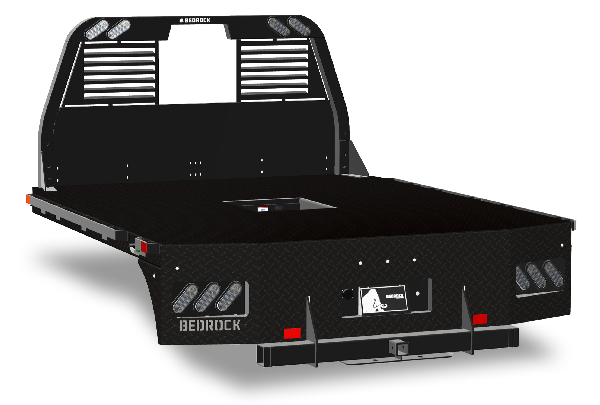
Tip from the road: The most common cause of unexpected downtime is a loose deck bolt that fails under load. Tighten to spec after every 10,000 mi or after hauling a load heavier than 20 % above the truck’s GVWR.
How often should each flatbed component be inspected?
Answer: Inspection frequency varies by component: daily for visual checks, weekly for bolts and lashing points, monthly for deck cleaning and lubrication, and quarterly for professional mechanical inspections. Adjust intervals based on load intensity and operating environment.
| Component | Daily | Weekly | Monthly | Quarterly | Annual |
|---|---|---|---|---|---|
| Visual Deck Scan | ✅ | ||||
| Bolt Torque Check | ✅ | ||||
| Deck Cleaning | ✅ | ||||
| Lubrication of Hinges | ✅ | ||||
| Tire Pressure & Tread | ✅ | ||||
| Full Mechanical Inspection | ✅ | ✅ | |||
| Corrosion Treatment | ✅ |
The table above gives a quick reference for busy drivers and fleet managers. Adjust the schedule if you operate in harsh climates—salt‑treated roads in winter, for example, demand more frequent corrosion checks.
What are the most common maintenance mistakes owners make?
Answer: The biggest mistakes are skipping torque checks, using the wrong cleaning chemicals, neglecting lubrication, and failing to keep accurate records. Each error accelerates wear, creates safety hazards, and voids warranty coverage.
Common Mistakes & How to Avoid Them
| Mistake | Why It Hurts | Simple Fix |
|---|---|---|
| Skipping Bolt Torque Checks | Loose bolts can shift, damaging the deck and cargo. | Set a reminder after every 5,000 mi; use a torque wrench with a click‑stop feature. |
| Using Acidic or Solvent‑Heavy Cleaners | They strip protective coatings, leading to corrosion. | Choose a pH‑neutral, biodegradable degreaser approved by the DOT. |
| Over‑Lubricating Hinges | Excess grease attracts sand and grit, turning hinges into sand‑filled bearings. | Apply a thin film; wipe off any runoff after each application. |
| Ignoring Light and Electrical Faults | Non‑functioning warning lights reduce safety compliance. | Test LEDs and alarms weekly; replace any dim or flickering units immediately. |
| Poor Record‑Keeping | Without logs you can’t prove maintenance compliance during audits. | Use a digital maintenance app that timestamps each entry and can export PDFs. |
How do I choose the right cleaning products for my flatbed?
Answer: Look for cleaners that are pH‑balanced (7–8), biodegradable, and approved for the specific deck material—whether aluminum, steel, composite, or wood. Avoid abrasive scrubbers that can scratch the surface.
For aluminum or composite decks, a citrus‑based degreaser works well; it cuts oil without etching the metal. For wood decks, a mild, oil‑free soap solution prevents water absorption that leads to rot. Always rinse thoroughly with clean water to prevent residue buildup.
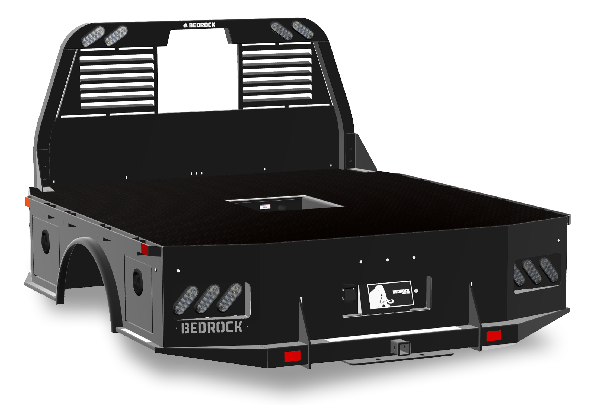
Pro tip: Bedrock’s Diamond‑series flatbeds feature a proprietary Nano‑Coat finish that repels dirt and water. Using a compatible pH‑neutral cleaner extends the life of this coating by up to 30 % (source: Bedrock testing data).
What tools and resources can simplify flatbed upkeep?
Answer: A compact toolkit that includes a calibrated torque wrench, a handheld pressure gauge, a non‑abrasive brush set, and a digital log app is enough to handle most maintenance tasks without a full shop visit.
Recommended Toolkit
- Torque Wrench (10–100 Nm range) – Ensures bolts are tightened precisely.
- Digital Tire Pressure Gauge – Quick, accurate readings in any temperature.
- Portable Pressure Washer (≤ 1500 psi) – Safe for decks; avoids over‑pressurizing.
- UV‑Protected Cleaning Brush – Prevents material degradation.
- Maintenance Log App – Apps like Fleetio or TruckLog let you attach photos, timestamps, and mileage.
External Guidance
- FMCSA Vehicle Maintenance Regulations outline required inspections for commercial trucks. See the latest guidance at the Federal Motor Carrier Safety Administration.
- OSHA’s “Hand and Power Tool Safety” provides best practices for torque wrench use (see OSHA Standard 1926.300).
How can I extend the service life of my flatbed beyond the warranty period?
Answer: Combine regular maintenance with protective upgrades—such as Bedrock’s Diamond‑series deck coating, anti‑corrosion sealants, and reinforced tie‑down anchors. These enhancements reduce wear, improve load stability, and keep resale values high.
Upgrade Options
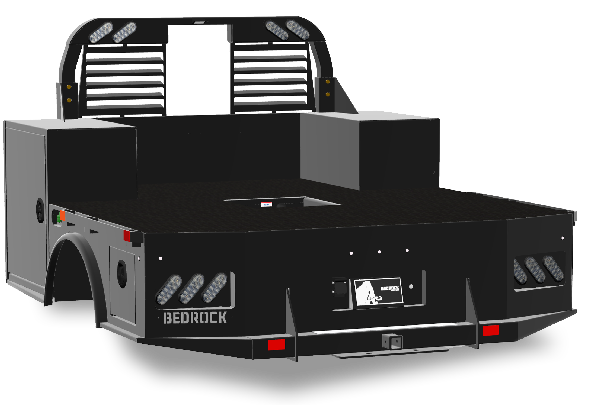
- Diamond Deck Coating – A nano‑engineered layer that resists scratches and UV degradation.
- Granite‑Plus Reinforcement – Adds a steel lattice under the deck to distribute heavy loads evenly.
- Onyx Anti‑Corrosion System – An epoxy‑based primer designed for coastal operations.
Installing these upgrades during a scheduled service minimizes downtime and can be cost‑effective when amortized over the truck’s lifespan.
Frequently Asked Questions
Q1: How often should I replace deck bolts? A: Inspect bolts weekly; replace any showing wear, thread stripping, or corrosion. Typically, a full bolt set is refreshed every 24 months in moderate climates.
Q2: Can I use a regular garden hose for deck cleaning? A: Yes, but a pressure washer (≤1500 psi) removes grime faster and reduces water usage. Always keep the nozzle at a 45‑degree angle to avoid surface gouging.
Q3: Is it okay to store the truck with the deck left open? A: No. Open decks collect rain, snow, and debris that accelerate corrosion. Use a removable tarp or store the truck in a covered area whenever possible.
Q4: What is the best way to protect a wood deck from rot? A: Apply a marine‑grade sealant annually and avoid standing water. After each cleaning, let the deck dry completely before re‑securing cargo.
Q5: Do I need a special license to perform my own maintenance? A: No, but you must follow the FMCSA maintenance standards and keep records. For any repairs affecting safety‑critical systems (brakes, suspension), a certified mechanic’s sign‑off is required.
Q6: How much does a professional quarterly inspection cost? A: Prices vary by region, but expect $250–$400 for a full inspection, including brake and suspension diagnostics.
Q7: What torque setting is recommended for Bedrock’s Diamond flatbed bolts? A: Bedrock specifies 85 Nm (62 lb‑ft) for the main deck bolts. Always refer to the specific model’s service manual.
Q8: Are there tax incentives for maintaining low‑emission flatbeds? A: Some states offer deductions for using eco‑friendly cleaning products and maintaining equipment that meets EPA emissions standards. Check your local department of revenue for details.
Ready to upgrade your flatbed for easier upkeep? Explore Bedrock’s [Truck flatbed maintenance tips] page to discover the Diamond series, which combines a rugged deck with low‑maintenance coatings designed for 2026 and beyond.
Interested in learning more?
Visit our website to explore products, find dealers, and get in touch.
Visit Bedrock Truck Beds →