
Truck Flatbed Maintenance Tips: 2026 Complete Guide
Discover essential truck flatbed maintenance tips for 2026. Learn daily checks, seasonal care, common mistakes, material choices, and how to register warranty with Bedrock Truck Beds.
TL;DR: Keeping a flatbed in peak condition requires daily visual checks, monthly bolt and wear inspections, quarterly lubrication, and annual professional service. Choose a material that matches your load profile, follow 2026 safety regs, and use Bedrock’s warranty registration for added peace of mind.
What are the essential daily truck flatbed maintenance tasks?
Atomic answer: A quick daily routine—visual inspection for damage, checking tie‑down points, confirming mudflap integrity, and testing lights—prevents most costly failures and keeps the flatbed road‑ready.
Daily Walk‑Around Checklist
- Visual scan for cracks or dents – Walk the length of the bed, looking for any new deformation, especially after rough roads.
- Tie‑down hardware – Verify that all bolts, hooks, and ratchets are tight and free of rust.
- Lighting and reflectors – Turn on the bed lights; ensure all reflectors are clean for night visibility.
- Mudflaps & side panels – Check that the rubber seals are intact – a broken flap can fling debris onto the cab.
- Load security – Confirm that chains or straps are snug and not twisted; improper tension can shift cargo and stress the deck.
Doing this in under five minutes each morning catches problems before they become expensive repairs.
How often should I inspect and service key components?
Atomic answer: Follow a tiered schedule: weekly bolt torque checks, monthly bearing lubrication, quarterly suspension alignment, and a full professional service at least once per year.
Tiered Maintenance Timeline
| Frequency | Component | Action | Why it matters |
|---|---|---|---|
| Weekly | Tie‑down points & bolts | Torque to manufacturer spec (usually 85‑95 ft‑lb) | Prevents loosening under vibration |
| Monthly | Pivot bearings & rollers | Clean, grease, and re‑torque | Reduces wear and prevents squeaking |
| Quarterly | Suspension & axle alignment | Professional inspection & adjustment | Maintains even load distribution |
| Annually | Full flatbed rebuild | Strip, inspect for fatigue, repaint/coating | Extends deck life up to 10+ years |
Pro tip: Keep a maintenance log on the cab dashboard. Real‑world fleets that log every torque check report 30% fewer bolt‑related failures.
Which tools and products make flatbed upkeep easier?
Atomic answer: A magnetic torque wrench, marine‑grade silicone grease, and a high‑visibility safety coat are the three tools that speed up flatbed maintenance while ensuring safety.
Must‑Have Tools
- Magnetic torque wrench – Holds bolts in place while you apply precise torque, preventing dropped fasteners on the road.
- Marine‑grade silicone grease – Resists water, dust, and temperature extremes; ideal for pivot bearings and hinges.
- Portable LED work lamp – Provides bright, focused light for night‑time inspections without draining the truck battery.
Recommended Products from Bedrock
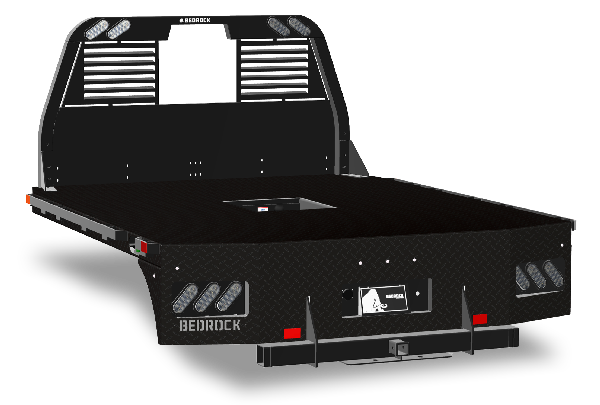
When you need a new deck, Bedrock’s Diamond line offers a diamond‑cut aluminum surface that resists scratches and corrosion. Check out the full specs here: Truck flatbed maintenance tips.
What common mistakes cause premature flatbed wear?
Atomic answer: The three biggest errors are neglecting regular lubrication, over‑tightening tie‑down bolts, and using the wrong deck coating for your cargo type.
Mistake #1 – Skipping Lubrication
- Impact: Bearings seize, causing sudden deck failure.
- Fix: Apply silicone grease every 30‑45 days, or after each long haul over dusty roads.
Mistake #2 – Over‑Tightening Bolts
- Impact: Stripped threads and cracked aluminum.
- Fix: Use a calibrated torque wrench; follow the manufacturer’s torque range.
Mistake #3 – Wrong Coating
- Impact: Chemical reaction with cargo (e.g., acidic liquids) leads to pitting.
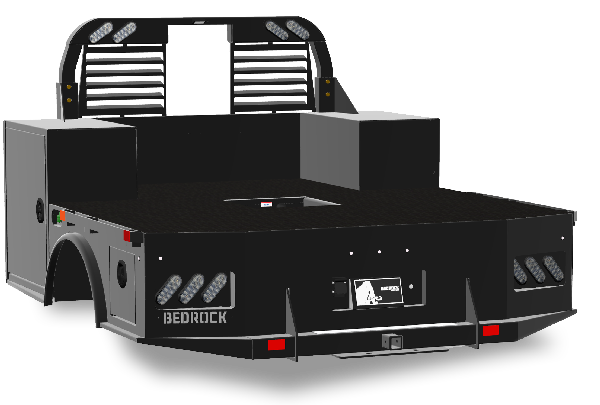
- Fix: Choose a deck surface that matches your primary cargo; Bedrock’s Granite Plus includes a polymer‑infused topcoat for corrosive loads.
How do I choose the right flatbed material and protect it?
Atomic answer: Match material hardness, weight capacity, and corrosion resistance to your typical load; then apply a protective coating and schedule regular cleaning.
Material Comparison
| Bedrock Model | Base Material | Load Rating (lbs) | Corrosion Resistance | Approx. Cost* |
|---|---|---|---|---|
| Diamond | 6061‑T6 Aluminum (diamond‑cut) | 20,000 | Excellent (anodized) | $12,500 |
| Granite | 6061‑T6 Aluminum (standard) | 18,000 | Good (powder‑coat) | $11,800 |
| Granite Plus | 6061‑T6 Aluminum + polymer topcoat | 19,500 | Superior (chemical‑resistant) | $12,200 |
| Onyx | 7075‑T6 Aluminum (high‑strength) | 22,000 | Very Good (ceramic coating) | $13,400 |
| Marble | 6061‑T6 Aluminum (textured) | 18,500 | Good (epoxy) | $11,900 |
| *Prices are MSRP for 2026 models and exclude installation. |
Protection Checklist
- Wash after each load – Remove salt, grit, and chemicals.
- Apply a UV‑stable clear coat – Extends finish life by up to 3 years.
- Store under cover – When the truck is not in use for >30 days, keep the deck under a tarp to prevent weathering.
How can I keep my flatbed compliant with 2026 safety regulations?
Atomic answer: Follow FMCSA’s 2026 Flatbed Load Securement Rule, inspect lighting per OSHA standards, and keep documentation of all inspections for at least 12 months.
Key Regulatory Points
- Load Securement – Tie‑down strength must be at least 50% of the cargo weight (per FMCSA 2026 rule). See the official guide at the Federal Motor Carrier Safety Administration.
- Lighting – OSHA requires working lights and side reflectors to be functional and visible from 500 feet (source: OSHA Lighting Standards).
- Documentation – Keep a signed inspection sheet for daily checks; electronic logs are acceptable if they’re backed up for audit.
Where can I find local support and warranty assistance?
Atomic answer: Use Bedrock’s Dealer Locator to connect with certified service centers, and register your deck online for a 5‑year limited warranty.
Steps to Get Help Fast
- Locate a dealer – Visit the Dealer Locator | Bedrock Truck Beds and enter your ZIP code.
- Register your deck – Fill out the online form at Warranty Registration | Flatbeds by BEDROCK Truck Beds to activate coverage.
- Schedule service – Call the nearest certified dealer; mention your warranty number for priority scheduling.
What is a quick checklist for seasonal flatbed maintenance?
Atomic answer: Spring, summer, fall, and winter each have a 5‑step checklist that addresses weather‑specific wear, ensuring the deck stays functional year‑round.
Seasonal Checklist (2026 Edition)
- Spring – Inspect for rust from winter road salts; re‑apply protective coating.
- Summer – Check UV damage to paint and ensure coolant lines are not leaking.
- Fall – Verify drainage channels are clear of leaves; test heater‑run‑up if equipped.
- Winter – Apply anti‑freeze spray to pivot bearings; install snow chains on wheels for added traction.
- All seasons – Perform the daily walk‑around, keep logs, and review torque values.
Frequently Asked Questions
TL;DR: Quick answers to the most common flatbed maintenance queries.
FAQ
Q1: How often should I re‑paint my flatbed? A: Every 3‑4 years for standard powder‑coat, or every 5 years if you use Bedrock’s anodized Diamond surface.
Q2: Can I use regular truck tie‑downs on a flatbed? A: Yes, but they must meet the FMCSA tie‑down strength requirement (minimum 50% of cargo weight). Prefer ratchet straps with a certified working load limit.
Q3: What is the best way to remove stubborn rust on an aluminum deck? A: Use a non‑abrasive aluminum cleaner followed by a light‑duty sand‑blaster; finish with a marine‑grade epoxy coating.
Q4: Do I need a separate warranty for the deck coating? A: Bedrock’s standard warranty covers the deck material and coating for 5 years when you complete the online registration.
Q5: How can I tell if a bearing needs replacement? A: Listen for grinding noises, feel for excess play when moving the deck, and check for grease leakage.
Q6: Is it okay to wash the flatbed with a pressure washer? A: Yes, but keep pressure below 1500 psi to avoid damaging the coating.
Q7: What are the tax benefits of maintaining a fleet of flatbeds? A: The IRS allows a Section 179 deduction for qualified equipment; regular maintenance documentation can support depreciation claims (see IRS Publication 946).
Q8: How do I protect my deck from chemical spills? A: Immediate rinse with water, apply a dedicated spill‑neutralizing agent, and schedule a professional coating inspection within 48 hours.
Interested in learning more?
Visit our website to explore products, find dealers, and get in touch.
Visit Bedrock Truck Beds →