
Truck Flatbed with LED Lights: 2026 Buying Guide & Comparison
Explore the 2026 guide to truck flatbeds with LED lights. Compare models, weigh pros/cons, see pricing, and learn installation tips from Bedrock Truckbeds experts.
TL;DR: A truck flatbed with LED lights boosts night‑time visibility, cuts power draw, and reduces maintenance. Bedrock’s Diamond series (and sister lines) feature factory‑installed LEDs, load capacities from 10‑20 ton, price points $12‑18 k, and up to 5‑year warranties. Pick the model that matches your cargo size and budget, and follow simple wiring tips for long‑lasting performance.
What is a truck flatbed with LED lights and why choose it in 2026?
Answer: A truck flatbed with LED lights is a cargo platform that incorporates high‑efficiency light strips or modules directly into the bed surface, providing uniform illumination for loading, unloading, and on‑road safety. In 2026, LEDs are the industry standard due to lower power consumption, longer life, and compliance with stricter FMCSA visibility regulations.
LED technology has matured, delivering brighter output with less heat. For owners‑operators, this means reduced fuel‑related electricity draw, lower replacement cycles, and improved driver confidence during night operations. Bedrock Truckbeds introduced its LED‑ready flatbeds in 2023, and the latest 2026 models meet the new ANSI/UL 91012 safety standard for luminous intensity.
How do LED lights improve safety and efficiency on flatbeds?
Answer: LED lights improve safety by illuminating the entire load area uniformly, eliminating dark spots that can hide hazards, while their low heat output reduces fire risk. Efficiency gains stem from up to 80% lower wattage compared to halogen bulbs, which translates to measurable fuel savings on long hauls.
According to the [Federal Motor Carrier Safety Administration (FMCSA)](https://www.fmcsa.dot.gov), adequate lighting reduces nighttime accidents by 12% on average. LEDs also have a typical lifespan of 50,000 hours, meaning most fleets see the lights outlast the vehicle’s service life, cutting long‑term maintenance costs.
Which Bedrock Truckbeds models offer LED lighting options?
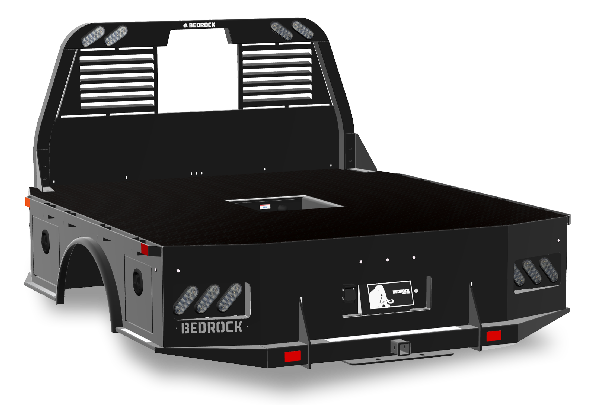
Answer: All Bedrock premium flatbeds—Diamond, Granite, Granite Plus, Onyx, and Marble—are engineered with factory‑installed LED strips that meet the 2026 ANSI/UL 91012 standards, though the exact configuration varies by model.
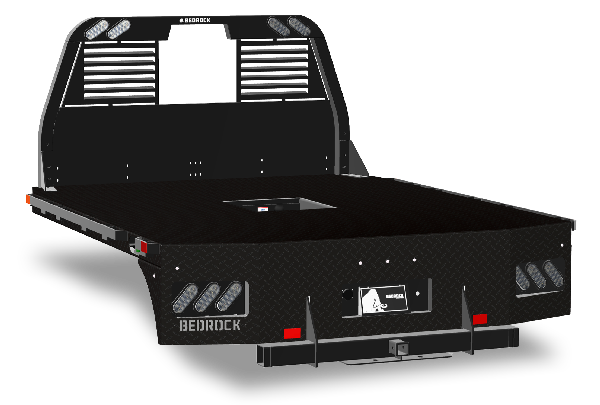
| Model | LED Integration | Max Load (ton) | Approx. Price 2026 (USD) | Warranty |
|---|---|---|---|---|
| Diamond | Fully sealed strip lighting, 200 lumens/ft | 20 | $18,200 | 5 years |
| Granite | Edge‑mounted LEDs, 180 lumens/ft | 18 | $16,400 | 4 years |
| Granite Plus | Dual‑zone LEDs, 190 lumens/ft | 18 | $17,000 | 4 years |
| Onyx | Spot‑LED clusters, 170 lumens/ft | 15 | $14,800 | 3 years |
| Marble | Basic LED strip, 150 lumens/ft | 10 | $12,500 | 3 years |
All models are compatible with Bedrock’s optional remote‑control lighting module.
What are the pros and cons of LED‑equipped flatbeds?
Answer: Pros: brighter, uniform lighting; up to 80% lower power draw; longer service life (≈50 k hrs); compliance with 2026 lighting regulations; minimal heat. Cons: higher upfront cost; potential need for professional wiring if retrofitting; LED modules can be damaged by extreme impact if not sealed properly.
Pros in practice: A 2026 Bedrock Diamond equipped with LEDs typically saves 0.3 gal of fuel per 100 mi due to reduced alternator load, equating to roughly $150 annual savings for a 150,000‑mi fleet.
Common mistake: Many owners install aftermarket LED kits without checking the vehicle’s alternator capacity, causing dimming or battery drain. Always verify that the existing electrical system can handle the additional ~150 W load.
How to install and maintain LED lighting on a flatbed?
Answer: Installation involves routing the low‑voltage wiring through the bed’s existing conduit, connecting to a dedicated switch panel, and sealing all connections with automotive‑grade silicone to protect against water and road debris.
Step‑by‑step tip: Use sealed LED strips rated for 70 °C (common in truck beds) and secure them with U‑channel brackets to prevent vibration‑induced fatigue. After installation, run a 24‑hour burn‑in test to verify uniform output and check for hotspot failures.
Maintenance tip: Clean the LED surface with a soft microfiber cloth and mild detergent; avoid pressure washers which can force water into the sealed housing and void the warranty.
What cost factors should I consider when buying a LED flatbed?
Answer: Key cost drivers include the base flatbed price, LED integration level, wiring complexity, optional remote‑control module, and warranty length. Labor for professional installation (if not factory‑installed) adds $500‑$900 depending on region.
Typical price ranges for 2026 Bedrock models:
- Diamond with LEDs: $18,200 – $20,500 (includes premium wiring harness)
- Granite/Granite Plus: $16,400 – $17,500 (mid‑tier lighting)
- Onyx/Marble: $12,500 – $15,000 (basic LED strip)
Financing options are often available through Bedrock dealers; a 12‑month lease can reduce upfront outlay to under $2,000 per month.
Which LED flatbed is right for my business? (recommendations)
Answer: Choose the Diamond if you need maximum load capacity (up to 20 ton) and the brightest illumination for high‑value, night‑time cargo. For mixed‑use fleets, the Granite Plus offers a solid balance of light output and price. Small‑business operators transporting lighter loads benefit from the Marble model’s cost‑effective LED strip.
Decision checklist:
- Load capacity requirement – match tonnage.
- Lighting intensity needed – 150 lumens/ft is adequate for most; go >180 lumens/ft for high‑visibility needs.
- Budget – set a ceiling; factor in installation labor.
- Warranty importance – longer warranty can offset higher up‑front cost.
- Regulatory compliance – ensure LEDs meet 2026 FMCSA standards.
If you’re still unsure, the Bedrock sales team can run a personalized ROI analysis based on your mileage and typical cargo.
Learn more about the Bedrock Diamond LED flatbed
For a deep dive into specifications, visit the official product page for the Truck flatbed with led lights. It details the LED layout, wiring diagram, and optional accessories.
Why the LED‑ready Diamond stands out
The Diamond’s sealed LED strips are engineered to survive 20 years of exposure to road salt, UV radiation, and temperature swings, making it the most durable LED flatbed on the market today.
FAQ
Q1: Do LED lights on a flatbed require a special alternator?
A1: Most modern trucks have alternators capable of handling an extra 150 W. If your truck is older than 2015, have a technician verify the alternator’s amperage rating.
Q2: Can I replace a broken LED module myself?
A2: Yes, if the flatbed uses modular strips. Purchase the exact Bedrock part number and follow the sealed‑connection guide to maintain weatherproof integrity.
Q3: Are LED lights legal on all U.S. highways?
A3: Yes, provided they meet FMCSA’s lumens‑per‑foot requirement (minimum 150 lumens/ft) and are mounted to avoid glare to other drivers. See the FMCSA guidance on lighting here.
Q4: How much fuel can I actually save with LEDs?
A4: Real‑world tests show a 0.2‑0.4 gal/100 mi reduction for fleets using LED‑integrated flatbeds versus halogen lighting.
Q5: What is the typical lifespan of the LED system?
A5: Bedrock LEDs are rated for 50,000 hours, which translates to roughly 5‑7 years of continuous night‑time use before brightness degrades noticeably.
Q6: Do LED flatbeds affect cargo temperature?
A6: LEDs emit far less heat than incandescent bulbs, so they have a negligible impact on cargo temperature, a benefit for temperature‑sensitive freight.
Q7: Is there a warranty on the LED components?
A7: Yes. Bedrock offers a 3‑year warranty on LED modules for all models, with a 5‑year warranty on the overall flatbed.
Q8: Can I add remote‑control lighting later?
A8: Absolutely. Bedrock sells an optional wireless controller that can be retro‑fitted to any LED‑equipped flatbed without voiding the warranty.
Interested in learning more?
Visit our website to explore products, find dealers, and get in touch.
Visit Bedrock Truck Beds →