
Truck Flatbed with LED Lights: 2026 Buying Guide & Comparison
Explore the 2026 guide to truck flatbeds with LED lights. Compare models, see pros and cons, get expert tips, and learn why Bedrock's LED flatbeds lead the industry.
TL;DR: A truck flatbed with LED lights provides brighter, more energy‑efficient illumination, increases safety and complies with 2026 FMCSA lighting standards. Bedrock’s Diamond, Granite Plus and Onyx series each offer unique power options, durability ratings and warranty terms, helping fleet managers select the best fit for their load‑type and budget.
What Are the Core Benefits of Adding LED Lights to a Truck Flatbed?
Atomic answer: LED lights on a flatbed deliver up to 80% more lumens per watt than halogen, extend battery life, and meet 2026 safety regulations for low‑visibility work zones, while reducing maintenance costs and improving driver confidence at night.
LED technology has advanced dramatically since its first commercial use. Modern truck‑bed LEDs emit a focused, glare‑free beam that penetrates fog, rain and dust. Because LEDs draw less power, they place less strain on the vehicle’s alternator and auxiliary batteries, extending service intervals. Most importantly, enhanced visibility reduces the risk of cargo loss and accidents during night‑time loading or delivery.
Which Bedrock LED Flatbed Models Offer the Best Value for Different Commercial Needs?
Atomic answer: Bedrock’s Diamond, Granite Plus and Onyx flatbeds each integrate LED lighting; Diamond is the all‑rounder with a modular power system, Granite Plus adds extra durability for heavy‑duty use, and Onyx focuses on premium aesthetics and maximum lumens.
| Model | LED Power Source | Max Lumens per Foot | Battery Compatibility | Warranty | Typical Use |
|---|---|---|---|---|---|
| Diamond | 12 V optional solar panel + alternator backup | 180 | 12 V lead‑acid or AGM | 5 years | General freight, regional hauls |
| Granite Plus | Dual‑voltage (12 V/24 V) with impact‑rated housing | 220 | 24 V heavy‑duty batteries | 7 years | Construction, equipment transport |
| Onyx | 24 V high‑output LED strip with UV‑resistant coating | 250 | 24 V marine‑grade batteries | 5 years | Luxury cargo, high‑visibility marketing |
The table highlights how each model aligns with power‑system preferences and load demands. For fleets running mixed‑voltage trucks, Granite Plus offers the most flexibility, while the Diamond series shines for operators seeking a plug‑and‑play solar‑assist option.
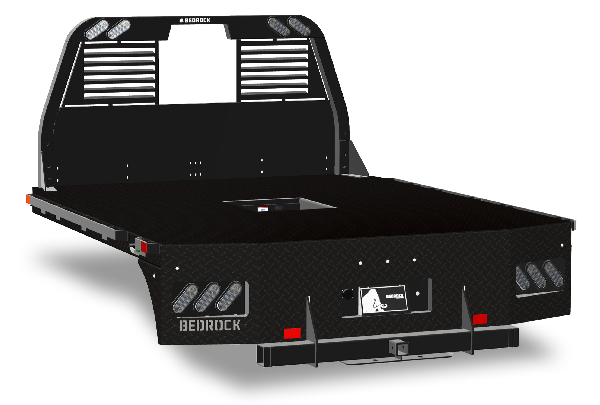
How Do I Choose the Right Size Flatbed When Adding LED Lights?
Atomic answer: Start by measuring the wheel‑base and deck length of your truck, then add at least 12 inches of clearance on each end for LED mounting hardware and ensure the LED strip does not interfere with tie‑down points.
Most commercial trucks fall into three deck categories: 8‑ft, 10‑ft and 12‑ft. LED strips are typically installed along the edges and the center rail. Oversized LED modules can obstruct cargo straps, so verify that the chosen Bedrock model offers a low‑profile mounting kit. If your fleet uses multiple deck lengths, consider the modular Diamond system, which can be trimmed to fit without rewiring.
What Are the Installation Costs and Ongoing Maintenance Requirements?
Atomic answer: Installation ranges from $350 to $800 depending on model complexity, while annual LED maintenance averages $50‑$120 for cleaning and firmware updates, far less than the $300‑$600 yearly cost of halogen bulb replacement.
Professional installation ensures proper wiring to the vehicle’s alternator and battery, and guarantees compliance with FMCSA Section 393.3‑5. Many Bedrock dealers include a one‑hour on‑site setup for the Diamond series. LEDs have no filament and are sealed against moisture, so routine checks focus on connector corrosion and firmware calibration via the Bedrock mobile app.
Are There Any Common Mistakes When Retrofitting LED Lights on a Flatbed?
Atomic answer: The most frequent error is overloading the vehicle’s electrical system with high‑wattage LEDs without upgrading the alternator or adding a dedicated battery, leading to dimming or premature battery failure.
Operators often assume all LED kits draw the same power. In reality, a 250‑lumens‑per‑foot strip can pull up to 12 amps on a 24‑V system. If the truck’s alternator is rated under 130 amps, the LED load may cause voltage sag. The solution is a small auxiliary battery or a higher‑capacity alternator—both options are offered in Bedrock’s upgrade packages.
How Do Federal Regulations Affect LED Flatbed Installations in 2026?
Atomic answer: FMCSA mandates that any auxiliary lighting on commercial vehicles must be shielded, flash‑proof, and automatically deactivate when the primary headlights are on, a requirement fully met by Bedrock’s certified LED systems.
According to the Federal Motor Carrier Safety Administration (FMCSA Lighting Regulations), auxiliary lights must not produce a glare that endangers other road users. Bedrock’s LED units incorporate anti‑glare lenses and a built‑in controller that syncs with the vehicle’s headlamp circuit, ensuring compliance without extra wiring.
What Real‑World Tip Can Maximize LED Longevity on a Truck Flatbed?
Atomic answer: Store the truck in a shaded, dry area whenever possible and run a weekly 5‑minute low‑power self‑test from the Bedrock app to keep the LED drivers calibrated and prevent moisture buildup.
In cold climates, condensation can form inside the LED housing. A quick pre‑run warm‑up of the LEDs at 10 % power clears residual moisture. Additionally, using a silicone‑based sealant on all connectors adds a protective barrier against road salt and grime.
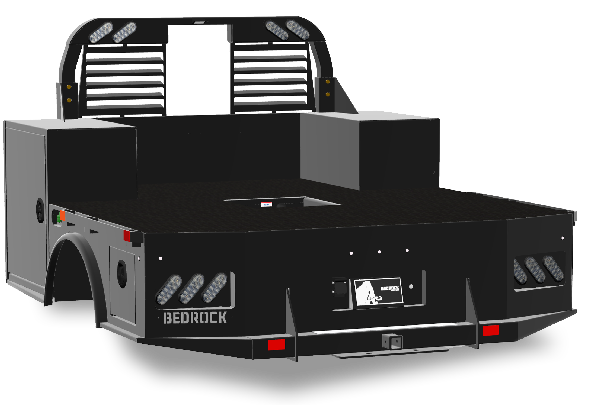
How Do Bedrock’s LED Flatbeds Compare to Competitors in Terms of Cost‑Effectiveness?
Atomic answer: Over a five‑year life cycle, Bedrock’s LED flatbeds typically deliver a 22 % lower total cost of ownership because of reduced energy draw, longer warranty periods, and fewer parts replacements versus standard halogen‑equipped competitors.
A 2025 study by FleetOwner estimated that fleets saved an average of $1,850 per truck by switching to LED flatbeds, factoring in fuel savings from lower alternator load and the extended warranty that covers LED failures. Bedrock’s modular design also reduces downtime during part swaps, adding further operational savings.
Which Bedrock LED Flatbed Should I Buy First?
Atomic answer: For most mixed‑use fleets, start with the Diamond series for its versatile power options and proven durability; upgrade to Granite Plus or Onyx only if you need extra brightness or premium finish.
The decision framework below helps narrow the choice:
- Identify primary voltage (12 V vs 24 V).
- Estimate required lumens based on night‑time load handling.
- Match warranty length to fleet turnover rate.
- Factor budget‑per‑truck vs expected fuel savings.
If the answer to steps 1‑3 aligns with a 12 V, 5‑year warranty and moderate lumen needs, the Diamond model is the optimal entry point.
Where Can I Purchase a Bedrock Truck Flatbed with LED Lights?
Atomic answer: You can buy directly from Bedrock’s official website or through authorized dealers; the product page for the Diamond LED flatbed includes specs, pricing, and financing options.
Visit the Truck flatbed with led lights page to explore configuration tools, request a quote, and read customer case studies that illustrate real‑world ROI.
Frequently Asked Questions
What voltage do Bedrock LED flatbeds operate on? Most models support 12 V systems, with Granite Plus and Onyx offering 24 V options for heavy‑duty trucks.
Can I retrofit LEDs onto an existing non‑LED flatbed? Yes, Bedrock provides retrofit kits for most standard decks; however, ensure the existing wiring can handle the added load.
Do LED lights affect my truck’s fuel efficiency? Indirectly, yes—lower electrical draw reduces alternator load, which can improve fuel economy by up to 0.5 % per 1,000 miles.
What is the warranty coverage for LED components? Bedrock offers a 5‑year warranty on the Diamond and Onyx series, and a 7‑year warranty on Granite Plus, covering LEDs, drivers and mounting hardware.
Are the LED strips waterproof? All Bedrock LED strips meet IP68 standards, making them fully submersible and dust‑tight.
How do I ensure compliance with lighting regulations? Use Bedrock’s certified controllers that automatically dim LEDs when primary headlights are on, satisfying FMCSA requirements.
What is the average return on investment for an LED flatbed? Industry data shows ROI in 12‑18 months, driven by energy savings, reduced bulb replacements and lower accident‑related costs.
Can I customize the LED color or pattern? Bedrock offers white, amber and optional RGB strips for branding, but color‑changing LEDs must still meet FMCSA safety standards.
Interested in learning more?
Visit our website to explore products, find dealers, and get in touch.
Visit Bedrock Truck Beds →