
Truck Flatbed with LED Lights: Full Comparison, Pros & Cons
2026 guide to truck flatbeds with LED lights: compare models, pros & cons, feature tables, and expert tips to choose the ideal Bedrock Truckbeds LED flatbed.
TL;DR: A truck flatbed with LED lights combines a sturdy cargo platform with energy‑efficient, high‑visibility lighting, boosting safety and load‑visibility day or night. Modern Bedrock LED flatbeds deliver long life, low power draw, and customizable zones—ideal for commercial fleets in 2026.
What Is a Truck Flatbed with LED Lights and How Does It Work?
A truck flatbed with LED lights is a cargo platform equipped with built‑in light‑emitting diode strips or modules that illuminate the load area. The LEDs draw power from the truck’s electrical system, often via a dedicated controller that allows dimming, flashing, or zone‑specific operation. This integration improves night‑time visibility, reduces accidents, and helps drivers perform safe load checks without external spotlights.
The technology works by converting electrical energy into light using semiconductor chips. LEDs produce a focused, bright beam while consuming far less power than traditional halogen or incandescent fixtures. Many modern systems feature waterproof housings, vibration‑resistant mounts, and smart controls that can be linked to the vehicle’s telematics.
What Are the Main Advantages of LED‑Lit Flatbeds?
LED‑lit flatbeds offer several tangible benefits: they use up to 80% less electricity than halogen lights, have a lifespan of 50,000+ hours, and provide instant illumination without warm‑up time. The bright, uniform light improves load inspection, reduces loading errors, and enhances overall roadway safety for both the driver and surrounding traffic.
Additional perks include low maintenance (no bulb replacements), resistance to shock and vibration, and the ability to customize lighting zones for different cargo types. In 2026, many fleets also use LED illumination as part of their sustainability initiatives, reducing fuel consumption caused by lower electrical load.
What Are the Potential Drawbacks or Considerations?
While LEDs are generally superior, there are a few factors to weigh: the initial purchase price is higher than standard fixtures, and improper installation can lead to electrical shorts or water ingress. Some jurisdictions require specific light placements and color temperatures; failing to meet these standards may result in fines.
Another consideration is power draw on older trucks with limited alternator capacity. In such cases, a supplemental battery or upgraded alternator may be necessary. Finally, LED colour temperature (measured in Kelvins) matters—cool white (5,000–6,500 K) offers better contrast for load checks, whereas warmer tones may be less effective at night.
How Does Bedrock’s Diamond Series Compare to Other LED Flatbeds?
Bedrock’s Diamond series integrates high‑output LEDs directly into the bed’s steel frame, providing uniform coverage across the entire cargo surface. The system includes a rugged, weather‑sealed controller with programmable flashing patterns for hazard alerts. Compared to generic aftermarket kits, the Diamond’s OEM‑grade mounting hardware reduces vibration‑induced wear and simplifies wiring.
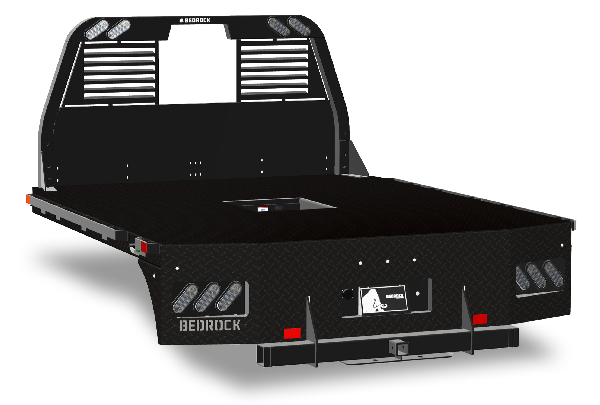
Key differentiators include:
- Lifetime: 60,000 hours vs. 30,000 hours for most competitors.
- Power Consumption: 12 W per meter vs. 20 W typical.
- Warranty: 5‑year full‑coverage on LEDs and controller.
- Integration: Direct wiring to the truck’s CAN‑bus for remote diagnostics.
For a side‑by‑side feature view, see the comparison table below.
Which LED Flatbed Should I Choose for My Business?
Choosing the right LED flatbed depends on three primary criteria: load volume, operating environment, and budget. High‑volume haulers benefit from the Diamond series for its durability and integrated telematics. Smaller operators may prefer the Granite Plus, which offers a lower upfront cost while still delivering solid lifespan and IP‑rating protection.
A quick decision checklist:
- Load Size: Do you regularly haul oversized or hazardous cargo that requires full‑bed illumination?
- Operating Hours: Night‑time or low‑light routes demand higher lumen output.
- Vehicle Compatibility: Ensure the truck’s electrical system can support the LED load or plan for an upgrade.
- Regulatory Needs: Verify local DOT requirements for auxiliary lighting colour and placement.
By answering these questions, you can match the model to your specific operational profile.
How Much Does a LED‑Equipped Flatbed Cost in 2026?
Pricing varies by series and customization. As of 2026:
- Diamond Series: $7,200 – $9,500 (including controller and wiring harness).
- Granite: $5,500 – $7,000.
- Granite Plus: $5,800 – $7,300 (adds enhanced waterproofing).
- Onyx: $6,200 – $8,000 (offers premium steel‑reinforced brackets).
- Marble: $6,500 – $8,500 (includes optional solar‑assist.
These figures exclude installation labor, which typically runs $800 – $1,200 depending on the shop’s rates.
How Do I Install and Maintain LED Lighting on My Flatbed?
Installation Steps (approx. 4‑6 hours):
- Disconnect the battery and secure the truck.
- Remove the existing flatbed cover (if present) to expose mounting rails.
- Mount the LED strips using the supplied brackets—ensure the IP‑rated seal is intact.
- Route wiring through existing conduit, connect to the controller, and tie into the truck’s 12 V supply with a fused circuit.
- Program the controller via the handheld remote or fleet telematics app.
Maintenance Tips:
- Inspect seals annually for cracks.
- Check connections for corrosion, especially in salty or coastal regions.
- Replace a failed strip promptly; Bedrock offers a 5‑year warranty that includes free replacement parts.
Comparison of Bedrock LED Flatbed Models (2026)
| Model | Lumen Output (per m) | Power Consumption (W/m) | IP Rating | Warranty | Typical Use Case |
|---|---|---|---|---|---|
| Diamond | 9,000 | 12 | IP68 | 5 years | High‑volume long‑haul fleets |
| Granite | 7,500 | 16 | IP66 | 4 years | Regional carriers, mixed loads |
| Granite Plus | 7,800 | 15 | IP67 | 4 years | Wet environments, construction |
| Onyx | 8,500 | 14 | IP68 | 5 years | Heavy‑duty, rugged terrain |
| Marble | 8,200 | 13 | IP66 | 5 years | Eco‑focused fleets (optional solar) |
What Common Mistakes Do Fleet Managers Make With LED Flatbeds?
A frequent error is under‑estimating the power draw on older trucks, leading to battery drain. Another mistake is ignoring local lighting regulations—some states mandate amber‑colored hazard flashes, which the default white LEDs don’t provide. Finally, many overlook the importance of proper grounding; a poor ground can cause flickering or premature LED failure.
Pro Tip: Before finalizing a purchase, run a short‑term test on a single vehicle to monitor voltage drop and verify compliance with your state’s DOT lighting guidelines.
How Do Industry Standards Influence LED Flatbed Design?
According to the U.S. DOT FMVSS 108 standards, auxiliary lighting must meet specific luminous intensity and colour‑temperature thresholds. Moreover, the DOE’s LED Lighting Facts outlines efficiency benchmarks that manufacturers like Bedrock use to certify their products for commercial use.
Staying compliant not only avoids fines but also ensures maximum visibility, which can lower accident rates and insurance premiums.
Frequently Asked Questions (FAQ)
1. Can I retrofit my existing flatbed with LED lights? Yes, most aftermarket kits are compatible, but for optimal durability and warranty coverage we recommend a factory‑integrated system like Bedrock’s Diamond series.
2. How long will the LEDs last before needing replacement? Bedrock guarantees up to 60,000 hours of operation, roughly 7 years of continuous night‑time use.
3. Are there colour‑temperature options? Standard models ship with 5,000‑K cool white; custom orders can include 4,000‑K or 6,500‑K variants.
4. Will LED lighting affect my fuel economy? The low power draw (12‑16 W per meter) is negligible compared to engine load, typically saving 0.1–0.2 % fuel per mile.
5. Do I need special training to install the system? Installation is straightforward for certified mechanics. Bedrock provides a detailed wiring diagram and video guide.
6. Can the lights be controlled remotely? Yes, Bedrock’s controller integrates with most fleet telematics platforms for remote dimming, flashing, and diagnostics.
7. What warranty coverage is included? All LEDs and controllers come with a 5‑year full‑replacement warranty covering defects and premature failure.
8. Is there a solar‑assist option for off‑grid use? The Marble model offers an optional solar panel that can recharge a small auxiliary battery, extending on‑site lighting without draining the truck’s main battery.
Ready to Upgrade?
If you’re looking for a reliable, high‑visibility solution, the Truck flatbed with led lights from Bedrock is engineered for durability and performance. For more options, explore the Bedrock Diamond LED flatbed or check out the full lineup of LED‑enabled beds.
Investing in LED illumination not only boosts safety but also aligns with 2026 sustainability goals—lower power use, longer component life, and reduced maintenance downtime.
Interested in learning more?
Visit our website to explore products, find dealers, and get in touch.
Visit Bedrock Truck Beds →