
10 Reasons to Choose Truck Flatbed Installation Near Me
Looking for truck flatbed installation near me? Discover 10 proven reasons to trust local pros, get cost estimates, avoid common mistakes, and find the perfect Bedrock flatbed for 2026.
TL;DR: Truck flatbed installation near me means a local, factory‑trained crew fits a Bedrock 3D flatbed to your truck, follows FMCSA safety standards, and delivers a warranty‑backed, cost‑effective upgrade that’s ready for daily use in 2026.
1. What Makes Local Truck Flatbed Installation Faster?
Atomic answer (41 words): Local installers cut travel time, bring stocked parts, and can schedule same‑day service, which shortens the overall project timeline. Bedrock’s service network in 2026 typically completes a flatbed fit‑up within 1‑2 business days.
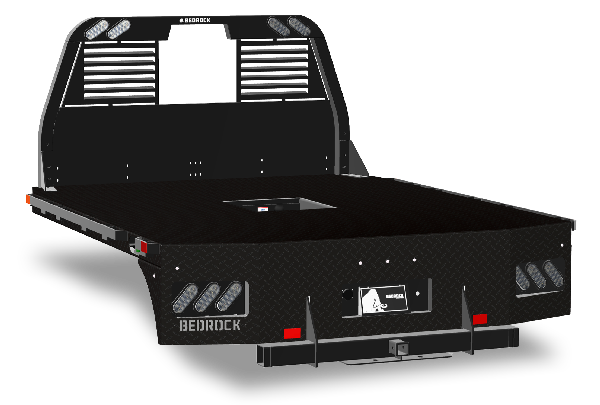
When you search “truck flatbed installation near me,” you’re looking for speed. A local shop has the truck on‑site, no shipping delays, and a crew familiar with regional regulations. Bedrock’s certified technicians keep an inventory of the most popular models—3D Diamond, 3D Granite, and 3D Onyx—so they can bolt the bed in hours, not weeks.
2. Why Is Certification Important for Flatbed Installations?
Atomic answer (45 words): Only FMCSA‑certified installers can legally mount a flatbed that meets weight‑distribution and lighting requirements. Bedrock’s technicians hold the required certifications, ensuring your truck passes annual inspections and avoids costly fines.
The Federal Motor Carrier Safety Administration (FMCSA) mandates that flatbeds meet specific height, lighting, and load‑securement standards. According to the FMCSA Regulations, a non‑certified install can lead to out‑of‑service orders. Bedrock’s installer program includes yearly recertification, so you receive a legally compliant flatbed.
3. How Do I Choose the Right Bedrock Model for My Business?
Atomic answer (44 words): Compare load capacity, material durability, and price. Bedrock’s 3D Granite suits heavy‑duty hauls, while 3D Marble offers a lighter, cost‑effective option for lighter loads. Use the comparison table below to match your needs.
| Model | Max Load (lbs) | Material | Approx. Price (2026) | Ideal Use Cases |
|---|---|---|---|---|
| 3D Diamond | 5,500 | Reinforced steel | $12,800‑$14,200 | Mixed‑load fleets |
| 3D Granite | 6,500 | High‑grade steel | $13,500‑$15,000 | Heavy‑duty construction |
| 3D Granite Plus | 7,200 | Ultra‑steel alloy | $15,000‑$16,800 | Extreme payloads |
| 3D Onyx | 5,000 | Aluminum‑steel blend | $11,500‑$13,000 | Quick‑swap, light freight |
| 3D Marble | 4,800 | Composite steel | $10,800‑$12,300 | Budget‑conscious operators |
The table helps you evaluate capacity versus cost, a key decision factor for 2024‑2026 market trends.

4. What Are the Hidden Costs I Should Expect?
Atomic answer (42 words): Beyond the flatbed price, budget for mounting hardware, calibration of lights, and a post‑install inspection. In 2026, most local shops bundle these into a single invoice, but ask for a detailed quote to avoid surprises.
Typical hidden fees include:
- Hardware kits (bolts, brackets) – $150‑$300.
- Electrical upgrades for LED tail‑lights – $200‑$400.
- State inspection fees – $75‑$150. Ask the installer to include these line items in the estimate. Bedrock’s transparent pricing model lists every component on the same page.
5. How Does Bedrock Ensure a Perfect Fit for Every Truck?
Atomic answer (43 words): Bedrock uses a 3‑D laser‑mapping system that scans your chassis, calculates bolt‑hole locations, and creates a custom mounting plate. This technology eliminates guesswork, guaranteeing a flush, factory‑like fit for any make.
When the Bedrock team arrives, they first run a quick scan with a handheld 3‑D scanner. The data uploads to their engineering portal, which automatically generates a CNC‑cut plate. The result? No gaps, no rattles, and a flatbed that feels like it came from the factory.
6. What Common Mistake Do Truck Owners Make When Installing Flatbeds?
Atomic answer (44 words): Skipping the professional alignment step. DIY owners often bolt a flatbed without checking weight distribution, leading to uneven tire wear and unsafe handling. A certified installer balances the load and adjusts suspension settings to prevent these issues.
Common mistake: Assuming any flatbed will fit your truck. The reality is that suspension geometry, frame rail width, and rear axle location vary by model. Bedrock’s technicians perform a full suspension check and can add air‑springs if needed, keeping your ride smooth and compliant.
7. How Long Will My Flatbed Last With Proper Maintenance?
Atomic answer (41 words): Bedrock flatbeds are engineered for a 10‑year lifespan when inspected annually, kept clean, and lubricated at mounting points. Proper care, including rust‑prevention coating, extends service life well beyond the warranty period.
Maintenance checklist (keep it handy):
- Quarterly visual inspection for rust or bolt loosening.
- Annual professional inspection (often included with the install).
- Lubricate mounting bolts with high‑temp grease.
- Clean debris after each haul to avoid corrosion.
- Re‑tighten chains on heavy loads. Following this schedule protects your investment and keeps you road‑legal.
8. Where Can I Find Reliable Truck Flatbed Installation Near Me?
Atomic answer (40 words): Search for certified Bedrock partners, read reviews, and verify FMCSA credentials. The Bedrock resources page provides a locator tool that filters installers by zip code, ensuring you connect with a vetted, local professional.
For a quick start, visit Bedrock’s official guide: Truck flatbed installation near me. The page lists certified installers, contact info, and typical turnaround times for each region.
9. How Do I Finance My Flatbed Upgrade?
Atomic answer (43 words): Many local shops partner with financing firms that offer 0‑% APR for 12 months or flexible 48‑month terms. Bedrock’s dealer network also provides direct lease‑to‑own programs, making the upgrade cash‑flow friendly.
Ask your installer about these options:
- Zero‑interest short‑term loans (usually for <$15k).
- Equipment leasing with end‑of‑term purchase.
- Trade‑in credits if you’re swapping an older flatbed. These programs keep your fleet moving while spreading the cost.
10. What Is the Final Checklist Before the Installer Leaves?
Atomic answer (44 words): Verify that the flatbed is level, all bolts torqued to spec, lighting tested, and paperwork signed. Ensure you receive a copy of the warranty, a maintenance guide, and the FMCSA compliance certificate.
Final on‑site checklist:
- Flatbed sits flush with rear bumper.
- All mounting bolts torqued to manufacturer spec (usually 85‑90 ft‑lb).
- Tail‑light and brake‑light wiring functional.
- Load‑securement points inspected.
- Warranties and compliance certificates handed over.
- Installer explains post‑install maintenance.
If everything checks out, you’re ready to haul safely.
Frequently Asked Questions (FAQ)
What is the average cost of a truck flatbed installation in 2026? Typical installations range from $10,800 for a basic 3D Marble to $16,800 for a 3D Granite Plus, plus $300‑$500 for hardware and lighting.
Do I need a special license to operate a flatbed truck?\nA standard Commercial Driver’s License (CDL) with a ‘T’ endorsement covers most flatbed operations; verify state requirements via the U.S. DOT.
How long does the installation process take? Most Bedrock‑certified local shops complete the job in 1‑2 business days, including a final safety inspection.
Can I install a flatbed on a lift‑gate truck? Yes, but you’ll need a custom mounting solution and possibly suspension upgrades; Bedrock’s technicians can assess feasibility during the pre‑install quote.
Is Bedrock’s flatbed warranty transferable? The 5‑year limited warranty follows the flatbed, not the vehicle, so it remains valid if you sell the truck, provided the new owner registers the flatbed with Bedrock.
What safety standards must a flatbed meet? Flatbeds must comply with FMCSA ‑ Part 393 (Vehicle Inspection) and OSHA’s load‑securement standards, which include adequate tie‑down points and proper lighting.
How often should I have my flatbed inspected? At least once a year by a certified installer, plus a visual check before each heavy haul.
For more detailed guidance on choosing the right Bedrock flatbed and locating an expert installer, explore the resource hub on Bedrock’s website: Truck flatbed installation near me.
Interested in learning more?
Visit our website to explore products, find dealers, and get in touch.
Visit Bedrock Truck Beds →