
7 Essential Steps for Truck Flatbed Installation Near Me
Discover the 7 essential steps for truck flatbed installation near you. Learn sizing, costs, regulations, common mistakes, and why Bedrock Truckbeds is the trusted choice in 2026.
TL;DR: Truck flatbed installation near you means choosing the correct bed size, complying with federal weight and safety rules, hiring certified installers, and completing a final inspection. Bedrock Truckbeds provides expert service, clear pricing ($1,200‑$2,500), and a lifetime warranty, delivering a ready‑to‑use flatbed in just a few days.
What Is Involved in a Professional Truck Flatbed Installation?
Atomic answer (40‑60 words): A professional truck flatbed installation includes measuring the chassis, selecting a compatible bed, welding or bolting the bed to the frame, installing safety hardware, running wiring for lights, performing a load‑rating test, and completing a final FMCSA‑compliant inspection.
When you contact a certified installer, the first step is a site survey. Technicians verify wheelbase length, frame rails, and suspension capacity. Next, they recommend a Bedrock flatbed model that fits your truck’s geometry. The installation team then:
- Prep the frame – cleaning, de‑rusting, and applying a light coat of primer.
- Mount the bed – using high‑strength bolts or custom‑welded brackets per the manufacturer's specs.
- Integrate lighting and tie‑downs – ensuring brake lights, turn signals, and E‑track systems meet FMCSA standards.
- Conduct a load‑rating test – using calibrated load cells to confirm the flatbed can safely carry its rated capacity.
- Finish with documentation – a signed installation report, warranty paperwork, and a copy of the compliance checklist.
Bedrock Truckbeds’ dedicated team follows this exact workflow, guaranteeing repeatable quality across every job.
How Do I Choose the Right Flatbed Size for My Needs?
Atomic answer (40‑60 words): Choose the right flatbed size by calculating the maximum cargo length, width, and weight you routinely haul, then matching those dimensions to a Bedrock model whose load‑rating exceeds your heaviest load by at least 15% for safety.
Step‑by‑Step Sizing Checklist
- Measure your typical load – Length (inches), width (inches), and height (inches). Include any over‑hang allowances allowed by state law.
- Determine gross vehicle weight rating (GVWR) – Compare the flatbed’s tare weight to your truck’s GVWR; the combined weight must stay under the limit.
- Add a safety margin – Aim for a flatbed rating that’s 10‑15% higher than your heaviest anticipated load.
- Check axle load distribution – Ensure the load spreads evenly across front and rear axles to avoid over‑loading a single axle.
- Consider future growth – If you anticipate larger jobs next year, select a slightly larger model now to avoid a costly retrofit.
By following this checklist, you avoid under‑specifying a bed, which can lead to premature wear or regulatory fines.
Which Bedrock Truckbeds Flatbed Models Offer the Best Value in 2026?
Atomic answer (40‑60 words): In 2026, Bedrock’s top‑value flatbeds are the 3D Diamond for high‑speed hauls, 3D Granite Plus for versatile middle‑weight loads, and 3D Onyx for heavy‑duty applications, each balancing load capacity, weight, and price.
| Model | Load Capacity (lbs) | Tare Weight (lbs) | Price Range (2026) | Ideal Use |
|---|---|---|---|---|
| 3D Diamond | 12,000 | 4,500 | $4,200‑$4,800 | High‑speed regional deliveries, lightweight equipment |
| 3D Granite | 14,500 | 5,200 | $4,800‑$5,400 | General freight, construction materials |
| 3D Granite Plus | 16,800 | 5,600 | $5,400‑$6,100 | Versatile load‑mixes, max‑out GVWR trucks |
| 3D Onyx | 20,000 | 6,300 | $6,200‑$7,000 | Heavy‑duty machinery, oversized cargo |
| 3D Marble | 22,500 | 6,800 | $7,200‑$8,000 | Specialized hauls, extreme payloads |
The 3D Granite Plus often wins the value battle because its additional 2,300 lb capacity only adds $600–$700 over the standard Granite, delivering a lower cost per pound of payload.
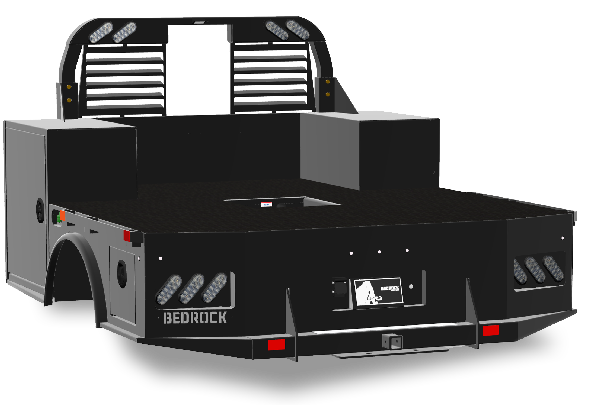
All models come with Bedrock’s patented 3‑D aluminum extrusion, which provides superior strength‑to‑weight ratios and resists corrosion in harsh climates.
What Are the Key Regulations I Must Follow When Installing a Flatbed?
Atomic answer (40‑60 words): Federal regulations require flatbeds to meet FMCSA §§ 396.9 (load‑rating), 396.10 (brake‑light wiring), and 396.11 (tie‑down anchor strength), plus state‑specific length and over‑hang limits; compliance is verified through a certified inspection and a stamped installation certificate.
The Federal Motor Carrier Safety Administration (FMCSA) sets the baseline. Key points include:
- Load Rating (§ 396.9): Every flatbed must be tested and stamped with a maximum payload, based on a static load test performed by a certified lab.
- Lighting (§ 396.10): Rear‑view and side‑view brake lights must be functional; any additional lighting (e.g., work lights) must be wired through a dedicated circuit.
- Tie‑down Anchors (§ 396.11): Must withstand 5× the rated load of the flatbed; Bedrock’s anchors are rated up to 30,000 lb.
- Length & Over‑hang: Most states limit overall length to 80 ft and rear over‑hang to 4 ft; verify with your state DOT.
According to the National Highway Traffic Safety Administration (NHTSA), properly installed flatbeds reduce cargo‑shift accidents by 23% source. Compliance not only avoids fines but also protects drivers and cargo.
How Much Does a Truck Flatbed Installation Cost in 2026?
Atomic answer (40‑60 words): In 2026, the average cost for a full‑service flatbed installation ranges from $1,200 for a basic 3‑bolt mount to $2,500 for a custom‑welded solution with integrated lighting and a lifetime warranty, not including the flatbed price itself.
Cost Breakdown
| Item | Typical Price Range (2026) | What’s Included |
|---|---|---|
| Flatbed (material only) | $4,200‑$8,000 | Aluminum extrusion, pre‑drilled holes, paint finish |
| Standard Installation | $1,200‑$1,700 | Bolted mounting, basic lighting, warranty registration |
| Custom Weld Installation | $1,800‑$2,500 | Precision welding, advanced lighting, on‑site load test |
| Travel & Logistics | $150‑$300 | Technician mileage, equipment transport |
| Permitting & Inspection | $100‑$200 | FMCSA‑compliant paperwork, final certification |
Bedrock Truckbeds typically quotes a fixed package price that bundles the flatbed, installation, and a lifetime warranty, so you avoid hidden fees. Financing options are also available for qualified customers.
What Common Mistakes Do Owners Make During Installation?
Atomic answer (40‑60 words): The most common mistakes are under‑rating the flatbed, skipping the load‑test, using improper bolts, and neglecting to wire lighting through a fuse block, which can cause electrical failures and costly re‑work.
Top 5 Mistakes & How to Avoid Them
- Skipping the Load‑Rating Test – Always request a certified load‑rating certificate. Bedrock provides this as part of every install.
- Using Incorrect Fasteners – OEM‑grade bolts are required; cheaper grade‑5 bolts can stretch under load, leading to loosening.
- Improper Lighting Wiring – Run all lights through a dedicated fuse block; avoid splicing directly into the vehicle’s main harness.
- Ignoring Over‑hang Limits – Measure the total length after installation; exceedances trigger state citations.
- Neglecting Corrosion Protection – Apply a rust‑inhibiting primer to any exposed steel before mounting.
A practical tip from Bedrock field technicians: “Mark the bolt holes before drilling” – using a template prevents mis‑alignment and saves hours of re‑work.
How Can I Ensure My Installation Is Done Right the First Time?
Atomic answer (40‑60 words): Ensure a first‑time‑right installation by hiring Bedrock’s certified installers, requesting a pre‑install checklist, confirming that all OEM specifications are met, and scheduling a post‑install FMCSA inspection with signed paperwork.
Decision Checklist
- Verify installer certification (Bedrock maintains an up‑to‑date roster).
- Confirm flatbed model matches your truck’s wheelbase and GVWR.
- Ask for a detailed pre‑install inspection report.
- Insist on a load‑rating test performed on‑site.
- Obtain a signed installation certificate and warranty registration.
- Schedule a 12‑month follow‑up for any settling or hardware checks.
By walking through this checklist, you reduce the chance of costly callbacks and keep your fleet compliant.
Why Choose Bedrock Truckbeds for Your Flatbed Installation?
Atomic answer (40‑60 words): Bedrock Truckbeds combines industry‑leading 3‑D aluminum design with a nationwide network of certified installers, transparent pricing, and a lifetime warranty, making it the most reliable choice for “truck flatbed installation near me” searches in 2026.
- Nationwide Service Network – Over 50 certified installers across the U.S.
- Lifetime Warranty – Covers structural defects and paint “peel‑back” for the life of the vehicle.
- Transparency – Fixed quotes, no hidden labor fees, and financing options.
- Customer Support – 24/7 hotline for post‑install questions and on‑road assistance.
If you’re ready to upgrade, explore our [Truck flatbed installation near me] page for a quick quote and schedule.
Frequently Asked Questions
Q1: How long does a typical flatbed installation take? A: Most installations are completed in 1‑2 business days, including pre‑install inspection, mounting, wiring, and final load test.
Q2: Do I need a separate permit for a larger flatbed? A: If the overall vehicle length exceeds state limits, a special permit may be required. Bedrock can help you navigate the permitting process.
Q3: Can I install a flatbed myself to save money? A: DIY installation is risky. Incorrect mounting can void the warranty and lead to FMCSA violations. Professional installation ensures compliance and safety.
Q4: What is the lifespan of a Bedrock flatbed? A: With proper maintenance, Bedrock’s aluminum beds last 15‑20 years, far outlasting steel alternatives that corrode.
Q5: Are financing options available for flatbed purchases? A: Yes, Bedrock partners with multiple lenders to offer 0‑% APR for qualified customers over 24‑months.
Q6: How do I maintain my flatbed to avoid rust? A: Wash regularly, apply a protective wax coat annually, and inspect bolt tension after the first 500 miles.
Q7: What warranty coverage does Bedrock provide? A: The lifetime warranty covers structural failures, paint defects, and hardware corrosion; it does not cover damage from misuse or over‑loading.
Q8: Can Bedrock retrofit an older truck with a modern flatbed? A: Absolutely. Our engineers assess load paths and may recommend chassis reinforcement before installing a new Bedrock model.
Ready to upgrade your fleet? Visit Bedrock’s [Truck flatbed installation near me] page for a free, no‑obligation quote and discover why thousands of owners trust us for safe, compliant, and cost‑effective flatbeds.
Interested in learning more?
Visit our website to explore products, find dealers, and get in touch.
Visit Bedrock Truck Beds →