
Truck Flatbed Installation Near Me: Complete Guide 2026
Find professional truck flatbed installation near you. Expert guide covering costs, timelines, DIY vs professional installation, and what to expect from certified installers.
TL;DR: Professional truck flatbed installation typically costs $500-2,000 and takes 4-8 hours. Search for certified installers with flatbed experience, proper equipment, and warranty coverage for best results.
Truck Flatbed Installation Near Me: Complete Guide 2026
Upgrading your truck with a flatbed can transform your vehicle's functionality, but finding the right installer in your area is crucial for a successful project. Whether you're a contractor needing heavy-duty hauling capability or a rancher requiring versatile cargo space, proper installation ensures safety, durability, and optimal performance.
What Should I Look for in a Local Truck Flatbed Installer?
A qualified flatbed installer should have specific experience with truck bed modifications, proper welding certifications, and knowledge of DOT regulations. Look for shops that specialize in commercial vehicle upfitting, maintain insurance coverage, and provide written warranties on their work.
When searching for "truck flatbed installation near me," prioritize installers who understand the structural requirements of your specific truck model. Different manufacturers have varying frame specifications, mounting points, and weight distribution requirements. The installer should conduct a thorough inspection of your truck's frame condition, electrical system, and existing mounting hardware before beginning work.
Experienced installers will also discuss your intended use case to recommend appropriate flatbed specifications. A contractor hauling heavy equipment needs different features than someone primarily carrying lighter cargo. This consultation phase is critical for selecting the right flatbed model and accessories.
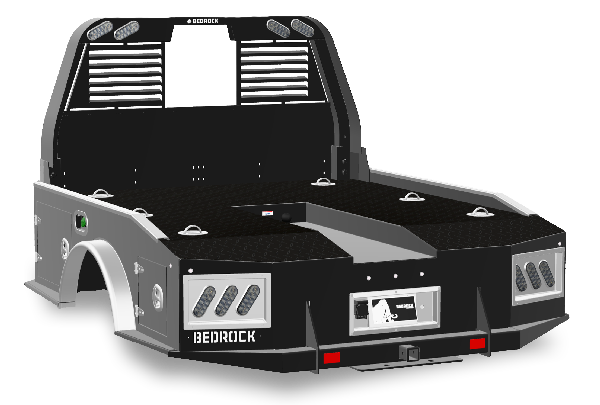
How Much Does Professional Flatbed Installation Cost?
Professional truck flatbed installation typically ranges from $500 to $2,000, depending on your truck model, flatbed complexity, and local labor rates. Basic installations on standard pickup trucks cost less, while heavy-duty commercial vehicles requiring custom modifications command higher prices.
Several factors influence installation costs:
- Truck size and model: Larger trucks require more labor and potentially custom mounting solutions
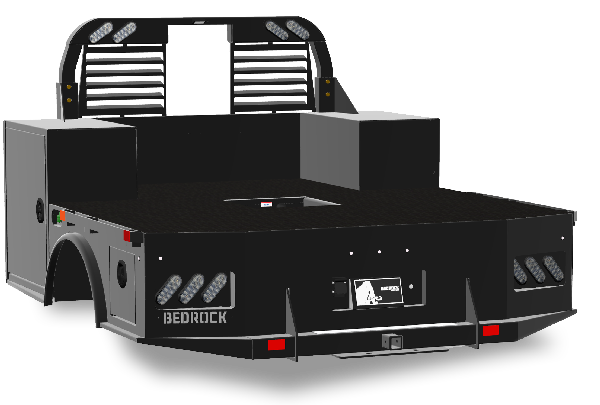
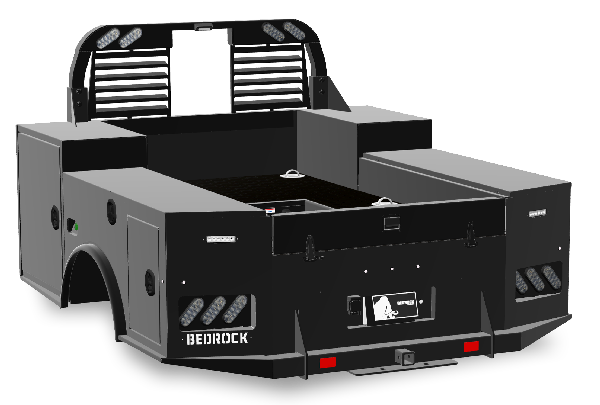
- Flatbed type: Simple steel beds cost less to install than aluminum models with integrated toolboxes
- Electrical work: Adding trailer connections, work lights, or hydraulic systems increases complexity
- Geographic location: Urban areas typically have higher labor rates than rural markets
- Shop specialization: Dedicated upfitting shops may charge more but offer superior expertise
| Installation Type | Cost Range | Time Required | Complexity |
|---|---|---|---|
| Basic Steel Flatbed | $500-800 | 4-6 hours | Low |
| Aluminum with Toolboxes | $800-1,200 | 6-8 hours | Medium |
| Custom Heavy-Duty | $1,200-2,000+ | 8-12 hours | High |
| Hydraulic/Tilt Bed | $1,500-2,500+ | 10-16 hours | Very High |
Always request detailed written estimates that break down parts and labor costs. This transparency helps you compare quotes and understand what services each installer provides.
Should I Choose DIY or Professional Installation?
Professional installation is recommended for most truck owners due to safety requirements, warranty considerations, and the specialized tools needed. While experienced mechanics might handle basic installations, complex electrical work and structural modifications require professional expertise.
DIY installation can save money but involves significant risks and challenges:
DIY Advantages:
- Lower total cost (labor savings)
- Complete control over timeline
- Learning experience for mechanically inclined owners
- Ability to customize during installation
Professional Installation Benefits:
- Warranty coverage on workmanship
- Proper tools and equipment
- Knowledge of safety regulations
- Insurance protection
- Faster completion time
- Troubleshooting expertise
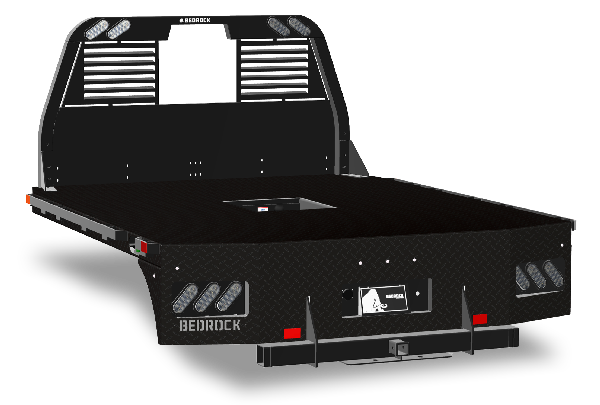
Most flatbed manufacturers, including companies like Bedrock Truckbeds, provide comprehensive Installation Resources that include detailed instructions, hardware specifications, and technical support. However, even with excellent documentation, professional installation ensures optimal results and maintains warranty coverage.
What Questions Should I Ask Potential Installers?
Before hiring an installer, ask specific questions to evaluate their qualifications and ensure they're the right fit for your project. Professional installers should welcome these questions and provide detailed answers.
Essential Questions:
- How many flatbed installations do you complete annually?
- What's your experience with my specific truck make and model?
- Are you familiar with my chosen flatbed brand and model?
- What warranty do you provide on installation work?
- Can you provide recent customer references?
- Do you carry commercial insurance and proper business licensing?
- What's your estimated timeline for completion?
- How do you handle unexpected complications or additional work?
According to the National Institute for Automotive Service Excellence, certified technicians must demonstrate competency in specific automotive systems and maintain continuing education requirements. While flatbed installation doesn't require ASE certification, working with certified professionals indicates commitment to quality standards.
Request to see examples of previous work, particularly installations similar to your project. Quality installers maintain photo portfolios and can provide customer contact information for references.
How Long Does Flatbed Installation Take?
Typical flatbed installation takes 4-8 hours for standard applications, though complex projects may require multiple days. Timeline depends on truck preparation needs, flatbed complexity, electrical modifications, and installer experience level.
Factors Affecting Installation Time:
- Truck preparation: Removing existing bed, cleaning frame, addressing rust or damage
- Mounting modifications: Some trucks need frame reinforcement or custom brackets
- Electrical integration: Connecting trailer plugs, work lights, and auxiliary systems
- Testing and adjustment: Ensuring proper fit, function, and safety compliance
- Weather conditions: Outdoor installation may be delayed by precipitation
Many professional shops can complete basic installations in a single day, allowing you to drop off your truck in the morning and retrieve it by evening. More complex projects involving custom fabrication or extensive electrical work may require scheduling over multiple days.
Plan accordingly if your truck is essential for daily operations. Many installers offer loaner vehicles or can coordinate rental arrangements for extended projects.
What Are the Most Common Installation Mistakes?
Understanding common installation errors helps you identify quality installers and avoid costly problems. These mistakes can compromise safety, durability, and warranty coverage.
Frequent Installation Errors:
- Inadequate frame preparation: Failing to clean, inspect, or treat rust before mounting
- Incorrect torque specifications: Over or under-tightening critical fasteners
- Poor electrical connections: Inadequate wire routing, insufficient protection, or improper grounding
- Misaligned mounting: Uneven bed placement affecting appearance and function
- Insufficient testing: Failing to verify all systems before customer pickup
According to industry research from the Truck Equipment Manufacturers Association, proper installation practices significantly impact equipment longevity and safety performance. Professional installers follow manufacturer specifications and industry best practices to avoid these common pitfalls.
Quality installers use torque wrenches for critical fasteners, apply thread-locking compounds where specified, and conduct comprehensive testing before delivery. They also document their work with photos and provide detailed information about any modifications made during installation.
Which Flatbed Models Are Easiest to Install?
Some flatbed designs are inherently more installation-friendly than others, potentially reducing labor time and costs. Understanding these differences helps you make informed decisions when selecting both a flatbed and installer.
Installation-Friendly Features:
- Pre-drilled mounting holes that align with standard truck frames
- Complete wiring harnesses with clearly labeled connections
- Detailed installation instructions with step-by-step photos
- Standard hardware that doesn't require specialty tools
- Modular designs that allow sequential assembly
Bedrock Truckbeds designs like the Onyx Flatbed feature precision engineering that simplifies installation while maintaining structural integrity. Similarly, the Quad Diamond Flatbed incorporates installation-friendly design elements that experienced installers appreciate.
Custom or heavily modified flatbeds typically require more installation time and expertise. While these options provide unique capabilities, factor additional labor costs into your budget planning.
How Do I Verify Installer Credentials and Insurance?
Protecting yourself from liability and ensuring quality work requires verifying installer credentials before signing contracts. This due diligence prevents costly problems and legal complications.
Verification Steps:
- Business License: Confirm current licensing with local business authorities
- Insurance Coverage: Request certificates of liability and workers' compensation insurance
- Better Business Bureau: Check ratings and complaint history
- Online Reviews: Read multiple review platforms for consistent feedback patterns
- Professional Associations: Verify membership in relevant trade organizations
- Facility Inspection: Visit the shop to assess equipment and professionalism
Legitimate businesses readily provide this information and understand your need for verification. Be cautious of installers who are reluctant to share credentials or seem to operate informally without proper business infrastructure.
Maintain copies of all insurance certificates and licensing documentation for your records. This information becomes important if warranty claims or liability issues arise later.
What Should I Expect During the Installation Process?
Understanding the typical installation workflow helps you prepare your truck and coordinate scheduling with your chosen installer. Professional shops follow systematic processes to ensure consistent results.
Standard Installation Steps:
- Initial Inspection: Evaluating truck condition and confirming compatibility
- Preparation: Removing existing bed and preparing mounting surfaces
- Dry Fitting: Test-fitting the flatbed before permanent installation
- Mounting: Securing the flatbed using specified hardware and torque values
- Electrical Integration: Connecting lighting, trailer connections, and accessories
- Testing: Verifying all systems function correctly
- Final Inspection: Checking alignment, finish quality, and safety compliance
- Documentation: Providing installation records and warranty information
Communicate any special requirements or concerns before work begins. For example, if you need specific electrical connections or have timing constraints, discuss these details during initial consultations.
Most installers provide regular updates throughout the process and will contact you if they discover unexpected issues requiring additional work or time.
How Do I Maintain My Flatbed After Installation?
Proper maintenance protects your investment and ensures continued safe operation. While flatbeds are generally low-maintenance, regular attention to key areas prevents problems and extends service life.
Essential Maintenance Tasks:
- Monthly Inspections: Check mounting bolts, electrical connections, and surface condition
- Cleaning: Remove debris, road salt, and corrosive materials regularly
- Lubrication: Maintain hinges, latches, and moving components per manufacturer recommendations
- Electrical Checks: Test lights, trailer connections, and accessories periodically
- Touch-up Painting: Address scratches and chips promptly to prevent rust
Create a simple maintenance log to track inspections and service activities. This documentation proves valuable for warranty claims and helps identify developing issues before they become expensive problems.
Many installers offer maintenance services and can provide guidance on specific care requirements for your flatbed model and local operating conditions.
FAQ
How do I find qualified flatbed installers in my area?
Search online directories, contact flatbed manufacturers for dealer recommendations, and ask local commercial truck shops for referrals. Check reviews, verify licensing, and request quotes from multiple installers before deciding.
Can any mechanic install a truck flatbed?
While basic mechanical skills help, flatbed installation requires specific experience with truck modifications, electrical systems, and safety regulations. Choose installers who specialize in commercial vehicle upfitting for best results.
What happens if my installer damages my truck during installation?
Professional installers carry liability insurance to cover accidental damage. Verify insurance coverage before work begins and document your truck's condition with photos. Report any issues immediately and work with the installer's insurance company for resolution.
Do I need permits for flatbed installation?
Most standard flatbed installations don't require permits, but check local regulations if you're adding significant weight or changing vehicle dimensions. Some commercial applications may need DOT compliance verification.
How do I know if my truck frame can support a flatbed?
Experienced installers evaluate frame condition, mounting points, and weight capacity during initial inspections. They can identify necessary reinforcements or modifications to ensure safe installation and operation.
What warranty should I expect on installation work?
Reputable installers typically provide 6-12 month warranties on workmanship, covering mounting, electrical connections, and installation-related issues. Warranty terms vary, so review coverage details before signing contracts.
Can I install additional accessories later?
Yes, most flatbeds accommodate accessories like toolboxes, crane mounts, or tie-down systems. However, planning these additions during initial installation is often more cost-effective than retrofitting later.
What should I do if I'm unsatisfied with the installation?
Address concerns immediately with the installer and document specific issues with photos. Professional shops want to resolve problems and maintain their reputation. If necessary, contact your state's consumer protection agency or relevant trade associations for assistance.
Interested in learning more?
Visit our website to explore products, find dealers, and get in touch.
Visit Bedrock Truck Beds →