
Truck Flatbed Installation Near Me: 9 Expert Steps
Discover the 9 essential steps for fast, reliable truck flatbed installation near you. Get practical tips, cost guides, and a model comparison to choose the perfect Bedrock flatbed today.
TL;DR: Finding a reliable truck flatbed installer near you starts with verifying credentials, choosing the right Bedrock model, and getting a detailed, written quote. Follow our 9‑step checklist—covering sizing, permits, cost, and post‑install support—to ensure a safe, compliant fit that boosts payload and protects cargo in 2026.
1. What is a truck flatbed and why should I install one?
Atomic answer (40‑60 words): A truck flatbed is a sturdy, open‑deck platform mounted on a commercial chassis, designed to secure oversized or irregular loads. Installing a flatbed increases payload capacity, reduces cargo damage, and meets DOT safety standards, making it essential for hauling construction, landscaping, and heavy equipment in 2026.
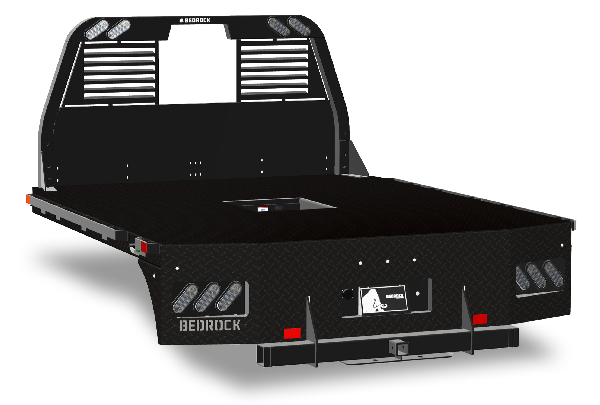
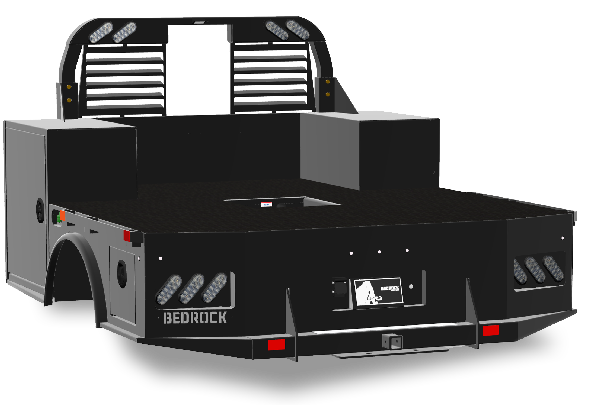
Flatbeds replace standard box or step‑deck configurations, offering a level surface that maximizes weight distribution. They are especially valuable for contractors who need quick load‑and‑go capability without worrying about tie‑down points. Bedrock Truckbeds offers five premium flatbed designs—Diamond, Granite, Granite Plus, Onyx, and Marble—each engineered for specific weight classes and industry applications.
2. How do I locate a reliable truck flatbed installer near me?
Atomic answer (40‑60 words): Search for certified installers with ≥ 5 years experience, read verified reviews, and confirm they use OEM‑approved mounting hardware. Request a written quote that outlines labor, warranty, and post‑install inspection. Bedrock’s network of authorized technicians covers the lower 48 states, ensuring local support.
Start with a Google search for "truck flatbed installation near me" and filter results for business listings that mention FMCSA compliance. Contact each candidate, ask for their installation certification, and request references from recent commercial clients. The most trustworthy shops will gladly schedule a site visit before quoting.
3. What size flatbed do I need for my truck?
Atomic answer (40‑60 words): Measure your truck’s wheelbase, frame rails, and GVWR; then match those dimensions to a Bedrock model whose load rating is 10‑20 % higher than your typical cargo weight. Oversizing the flatbed slightly improves weight distribution and reduces stress on mounting bolts.
Checklist for sizing:
- Wheelbase (inches)
- Frame rail spacing (inches)\n- Gross Vehicle Weight Rating (GVWR)
- Typical cargo weight range
- Desired overhang allowance
Use this data when requesting a quote to ensure the installer selects the correct deck length and reinforcement style.
4. Which Bedrock flatbed model best fits my business?
Atomic answer (40‑60 words): Bedrock offers five models, each tailored to load type and budget. Compare material strength, load capacity, and price to decide. For most mid‑size contractors, the 3D Granite Plus delivers the best balance of durability and cost‑effectiveness.
| Model | Material | Max Load (lbs) | Typical Price Range (USD) | Ideal Use |
|---|---|---|---|---|
| 3D Diamond | High‑strength steel | 30,000 | $7,500‑$9,000 | Heavy equipment, dump trucks |
| 3D Granite | Reinforced alloy | 25,000 | $6,500‑$8,000 | Construction, timber |
| 3D Granite Plus | Hybrid steel‑alloy | 27,500 | $7,000‑$8,500 | Mixed loads, regional hauling |
| 3D Onyx | Aluminum‑core | 20,000 | $5,500‑$7,000 | Light‑weight cargo, delivery vans |
| 3D Marble | Composite polymer | 22,000 | $6,000‑$7,500 | Specialty freight, HVAC |
The table above highlights core specs to help you match a flatbed to your payload needs.
5. What permits and regulations must I consider?
Atomic answer (40‑60 words): Federal and state DOT rules require flatbeds to meet specific load‑distribution formulas and secure tie‑down points. In 2026, the FMCSA mandates a minimum 10‑inch clearance between the deck and the ground for emergency access. Verify local permits for oversized loads before installation.
According to the Federal Motor Carrier Safety Administration (FMCSA), decks must be inspected annually and maintain a minimum vertical clearance for side‑step access. Additionally, OSHA’s guidelines on cargo securement (2024 revision) apply to flatbed installations on work sites.
6. How much does professional flatbed installation cost?
Atomic answer (40‑60 words): Installation costs range from $1,200 to $2,800 depending on deck size, labor rates, and any required custom fabrications. Expect a $300‑$500 fee for a pre‑installation inspection and a 12‑month warranty included in the final price.
Typical cost breakdown:
- Flatbed deck: $5,500‑$9,000 (model dependent)
- Labor (2‑3 technicians, 6‑8 hrs): $900‑$1,600
- Hardware & fasteners: $150‑$300
- Permit processing (if needed): $100‑$250
Request a detailed, line‑item quote and compare at least three providers before committing.
7. What are common mistakes people make during flatbed installation?
Atomic answer (40‑60 words): The most frequent errors include using undersized bolts, skipping alignment checks, and neglecting to torque fasteners to manufacturer specifications. Skipping a post‑install inspection can lead to premature wear, unsafe cargo shift, and costly downtime.
Real‑world tip: Always have the installer perform a torque‑verification test after mounting. Bedrock’s certified technicians use calibrated torque wrenches and log the results in a PDF report—ask for that documentation during the quote process.
8. How long does the installation process take?
Atomic answer (40‑60 words): A standard Bedrock flatbed install on a Class 8 truck takes 6‑8 hours, including removal of the factory deck, bolt‑pattern verification, and final safety inspection. Complex customizations (e.g., integrated winches) can extend the timeline to a full day.
Plan the installation during a low‑production window to avoid disrupting your delivery schedule. Most shops can accommodate overnight or weekend appointments for minimal downtime.
9. What post‑installation support should I expect?
Atomic answer (40‑60 words): After installation, you should receive a warranty certificate, a maintenance schedule, and a 12‑month service call for torque‑check follow‑up. Reputable installers also offer a hotline for urgent issues and provide a digital log of all work performed.
Bedrock’s network includes an online portal where you can track service history, request parts, and schedule future inspections—all without leaving your office. This proactive support reduces long‑term ownership costs and keeps your fleet compliant.
Frequently Asked Questions
1. How far in advance should I schedule a flatbed installation? Plan at least 2‑3 weeks ahead. Certified installers often have a booked calendar, especially during peak construction season.
2. Can I install a Bedrock flatbed on a used truck? Yes, provided the chassis meets the required frame‑rail spacing and GVWR. A pre‑installation inspection will verify compatibility.
3. Do I need special tools to maintain the flatbed? Routine maintenance only requires a torque wrench and a clean rag. Bedrock includes a torque spec sheet with every install.
4. What warranty does Bedrock offer on its flatbeds? All Bedrock flatbeds come with a 5‑year structural warranty and a 12‑month labor warranty on installation.
5. Is financing available for the flatbed and installation? Many authorized dealers partner with equipment lenders to offer 0‑% APR for up to 36 months on qualified purchases.
6. Will the flatbed affect my truck’s fuel efficiency? A properly sized flatbed adds minimal drag. Bedrock’s aerodynamic designs can even improve mileage by up to 3 % compared to older steel decks.
7. How do I verify that an installer is certified? Ask for their FMCSA‑registered DOT number and a copy of their Bedrock installer certification. Reputable shops display these credentials on their website or shop floor.
8. What safety checks should I perform before each load? Inspect tie‑down points, verify bolt torque, and ensure the deck surface is free of cracks or corrosion. Follow OSHA’s cargo‑securement checklist for each haul.
Ready to upgrade your fleet? Start with a free, no‑obligation quote from a Bedrock‑approved installer and explore the full range of flatbed options.
Truck flatbed installation near me provides detailed steps, cost calculators, and a locator tool to connect you with certified technicians in your area.
Interested in learning more?
Visit our website to explore products, find dealers, and get in touch.
Visit Bedrock Truck Beds →