
Truck Flatbed Installation Near Me: 7 Steps for a Perfect Fit
Discover the 7 essential steps for truck flatbed installation near you. Learn how to choose, size, and install a Bedrock flatbed in 2026 with expert tips and a handy comparison table.
TL;DR: Finding a reliable truck flatbed installation near you starts with measuring your chassis, picking a Bedrock model that matches your payload, and hiring certified installers. Bedrock Truckbeds provides on‑site fitting, compliance checks, and post‑install support, delivering a safe, custom‑fit flatbed in 2026.
7 Essential Steps for a Perfect Truck Flatbed Installation Near Me
When you type "truck flatbed installation near me" into Google, you want a quick, trustworthy answer. Below is a list‑based guide that walks you through every decision point—from sizing to post‑install care—so you can get your truck back on the road faster.
1. What Size Flatbed Do I Need for My Truck?
Atomic answer: Measure the wheelbase, deck width, and payload capacity of your truck, then compare those dimensions to Bedrock's flatbed catalog. The right size maximizes cargo space while staying within legal weight limits.
How to Measure Correctly
- Wheelbase: Measure from the center of the front axle to the rear axle.
- Deck Width: Measure the distance between the inner edges of the frame rails.
- Payload Rating: Check the GVWR (Gross Vehicle Weight Rating) on the door jamb and subtract the curb weight.
Why It Matters
Choosing a flatbed that's too short wastes cargo space, while one that's too long can cause handling issues and violate FMCSA length limits.
According to the Federal Motor Carrier Safety Administration (FMCSA), the maximum overall length for a single vehicle in most states remains 80 feet, but trailer‑attached flatbeds have stricter guidelines for length and overhangs. (fmsca.gov)
2. Which Bedrock Flatbed Model Fits My Workload?
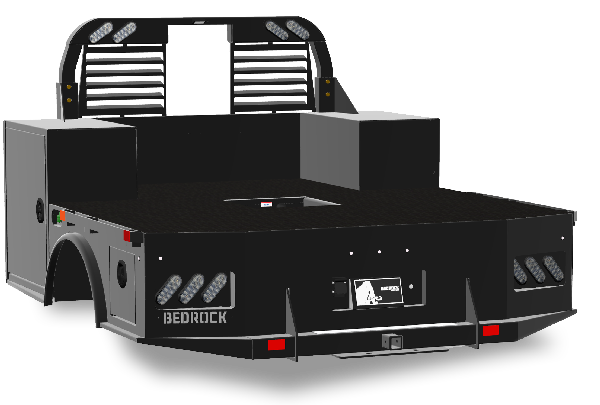
Atomic answer: Compare Bedrock’s product line—Diamond, Granite, Granite Plus, Onyx, and Marble—to your load type, weight, and budget; the right model balances durability and cost.
Feature Comparison Table
| Model | Max Load (lbs) | Material Thickness | Ideal Use | Approx. Cost (USD) |
|---|---|---|---|---|
| 3D Diamond | 12,000 | 4 mm steel | Light‑to‑medium freight, delivery vans | $3,200 |
| 3D Granite | 15,000 | 5 mm steel | Regional haulers, construction equipment | $4,100 |
| 3D Granite Plus | 18,000 | 6 mm steel | Heavy‑duty logistics, dump trucks | $5,000 |
| 3D Onyx | 20,000 | 6 mm alloy | High‑impact industries, oil & gas | $5,500 |
| 3D Marble | 22,500 | 7 mm alloy | Extreme load, custom rigs | $6,300 |
The table helps you quickly see which model aligns with your payload needs.
Real‑World Tip
Most fleet managers underestimate the dynamic load (weight while the vehicle is moving). Add a 10‑15% safety margin to the static max load to avoid over‑stress on the bed during acceleration or braking.
3. How Do I Verify Local Regulations for Flatbed Installations?
Atomic answer: Check your state’s Department of Transportation (DOT) website for length, weight, and lighting requirements, then confirm that the installer follows those codes.
Quick Checklist
- Length & Overhang: Verify total vehicle length ≤ state limit.
- Weight Distribution: Ensure axle loads are balanced per DOT guidelines.
- Lighting & Markings: Install required side markers, reflective tape, and hazard lights.
The American Association of State Highway and Transportation Officials (AASHTO) provides a uniform guide for flatbed lighting and reflective standards. (aashtoguidelines.org)
4. Where Can I Find Certified Installers Near Me?
Atomic answer: Search for installers accredited by Bedrock Truckbeds; they have undergone training, carry the proper tools, and can provide a warranty‑backed installation.
How to Spot a Certified Partner
- Official Badge: Look for the Bedrock Certified Installer logo on their website.
- Customer Reviews: Check Google and industry forums for consistent 4‑star+ ratings.
- Warranty Offerings: Certified installers back the flatbed with a minimum 2‑year labor warranty.
Bedrock’s own Truck flatbed installation near me resource page lists certified partners by ZIP code, making it easy to locate a trusted shop.
5. What Does the Installation Process Actually Involve?
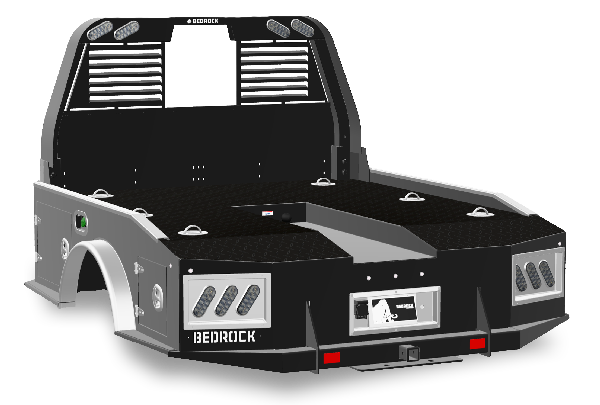
Atomic answer: A typical Bedrock installation includes chassis preparation, mounting brackets, bolting the flatbed, wiring for lights, and a final safety inspection—all completed within 1‑2 business days.
Step‑by‑Step Breakdown
- Pre‑Fit Inspection: Verify measurements, clear debris, and assess rust.
- Bracket Installation: Use high‑tensile bolts; torque to manufacturer specs (≈ 85 Nm).
- Flatbed Placement: Align with brackets, double‑check square angles.
- Electrical Hook‑up: Connect side markers, brake lights, and any optional accessories.
- Final Inspection: Load test with 50% of max capacity, check for movement.
Common Mistake
Many DIY installers skip the torque‑spec check, leading to bolt loosening under heavy loads. Always use a calibrated torque wrench.
6. How Much Does Professional Installation Cost?
Atomic answer: Installation pricing varies by region and flatbed model, but most customers pay between $800 and $1,500 for labor, plus any necessary mounting hardware.
Cost Drivers
| Factor | Typical Range |
|---|---|
| Labor | $600‑$1,200 |
| Additional Hardware (e.g., reinforced brackets) | $100‑$300 |
| Travel/On‑Site Fees (rural areas) | $0‑$200 |
| Taxes & Permits | $0‑$100 |
Savings Tip
Bundle the flatbed purchase with the installation service; Bedrock often offers a 10% discount when both are ordered together.
7. What Ongoing Maintenance Does My Flatbed Require?
Atomic answer: Perform quarterly inspections of bolt torque, corrosion protection, and lighting function; keep the deck clean and apply a protective coating every 12‑18 months.
Maintenance Checklist
- Bolt Check: Use a torque wrench; retighten if below spec.
- Corrosion Spotting: Apply Rust‑Ol or a similar inhibitor.
- Lighting Test: Verify all side markers and brake lights work.
- Deck Clean‑Up: Remove debris, oil, and snow to prevent slip hazards.
Decision Framework
- Monthly: Visual inspection for cracks or loose bolts.
- Quarterly: Torque check and lighting test.
- Annually: Re‑apply protective coating and repaint if needed.
A well‑maintained flatbed can exceed the manufacturer's expected service life by 5‑7 years, protecting your investment.
Quick Reference: Installation Checklist
- Measure wheelbase, width, and payload capacity
- Choose Bedrock model using the comparison table
- Verify state DOT length/weight limits
- Locate a Bedrock Certified Installer (use the “Truck flatbed installation near me” resource)
- Schedule installation – confirm torque specs and warranty
- Perform post‑install inspection and load test
- Set up quarterly maintenance routine
Frequently Asked Questions (FAQ)
Q1: How long does a typical flatbed installation take? A: Most professional installs are completed in 1‑2 business days, depending on chassis preparation and any custom modifications.
Q2: Can I install a Bedrock flatbed on a used truck? A: Yes, as long as the chassis is in good condition and the dimensions match the chosen Bedrock model.
Q3: Do I need special permits for a larger flatbed? A: If the overall vehicle length exceeds state limits, you may need a special permit. Check with your local DOT office.
Q4: What warranty does Bedrock offer on its flatbeds? A: Bedrock provides a 5‑year structural warranty and a 2‑year labor warranty when installed by a certified partner.
Q5: Is financing available for flatbed purchases and installation? A: Many Bedrock dealers partner with financing firms to offer up‑front or lease‑back options; ask your installer for details.
Q6: How do I know if my flatbed needs re‑coating? A: Look for surface chalking, rust spots, or a loss of gloss. Re‑coating is recommended every 12‑18 months for optimal protection.
Q7: Can Bedrock customize a flatbed for specialty equipment? A: Absolutely. Bedrock offers custom cut‑outs, tie‑down points, and mountings for cranes, winches, and other equipment.
Q8: What is the best way to protect the flatbed during winter? A: Keep the deck clear of snow and ice, use a non‑abrasive de‑icer, and apply a winter‑grade protective coating to prevent corrosion.
Ready to get started? Use the Bedrock “Truck flatbed installation near me” guide to locate a certified installer, pick the perfect model, and schedule your appointment today. With professional installation and regular maintenance, your flatbed will serve your fleet reliably for years to come.
Interested in learning more?
Visit our website to explore products, find dealers, and get in touch.
Visit Bedrock Truck Beds →