
Truck Flatbed Installation Near Me: 7 Essential Steps & Tips
Looking for truck flatbed installation near me? Discover 7 expert steps, cost guide, model comparison, and why Bedrock Truckbeds is your go‑to installer in 2026.
TL;DR: Finding reliable truck flatbed installation near you involves selecting the right model, checking local regulations, and hiring a certified installer. Bedrock Truckbeds offers certified installers, transparent pricing (usually $2,200–$3,800), and a 5‑year warranty to ensure a hassle‑free, long‑lasting flatbed fit for any commercial truck in 2026.
What is a truck flatbed and why do I need professional installation?
Atomic answer: A truck flatbed is a sturdy, level platform mounted to a commercial chassis for hauling oversized or irregular loads. Professional installation guarantees structural integrity, compliance with FMCSA and DOT regulations, and protects your investment from premature wear or safety hazards.
Flatbeds transform a standard box truck into a versatile workhorse, ideal for construction, landscaping, and hauling equipment. DIY installs often miss critical mounting points, torque specifications, or protective under‑coating, leading to premature frame fatigue. Certified installers follow the American Trucking Associations (ATA) standards and use OEM‑approved hardware, ensuring the flatbed can safely support the advertised payload.
How do I find reliable truck flatbed installation near me?
Atomic answer: Search for local installers who are factory‑certified, carry a written warranty, and have documented experience with the specific Bedrock model you choose. Verify reviews, ask for a written quote, and confirm they use Bedrock’s approved installation procedures.
A quick Google search for “truck flatbed installation near me” will surface several options, but you should narrow the field by:
- Checking the installer’s certifications (e.g., FMCSA, ISO‑9001).
- Requesting proof of insurance and a detailed scope of work.
- Confirming the shop uses Bedrock Truckbeds‑approved mounting kits and torque specs.
Bedrock’s own resource page—Truck flatbed installation near me—offers a vetted list of certified partners across the United States, making it the safest first stop.
7 Essential Steps to a Successful Flatbed Installation
1. Verify Vehicle Compatibility
Atomic answer: Before any hardware is lifted, confirm that your truck’s frame, suspension, and GVWR match the flatbed’s specifications.
Measure the wheelbase, frame rail diameter, and suspension travel. Bedrock provides a compatibility chart for each model; mismatched chassis can cause uneven load distribution and legal compliance issues.
2. Obtain a Written Quote & Scope
Atomic answer: A transparent quote should itemize labor, hardware, tax, and any needed modifications like reinforcement plates or brake line reroutes.
Avoid vague estimates. A proper quote protects you from surprise fees and helps you compare installers on a level playing field.
3. Prepare the Worksite
Atomic answer: Ensure the installation bay has level concrete, a heavy‑duty hoist, and ample clearance for the flatbed’s dimensions.
A clean, organized space reduces the risk of dropped components and improves installer efficiency, often shaving 1‑2 hours off labor time.
4. Follow Manufacturer Torque Sequences
Atomic answer: Bedrock flatbeds require specific torque values for each mounting bolt, typically ranging from 85–120 Nm depending on the model.
Using a calibrated torque wrench and following the supplied sequence prevents frame distortion and guarantees load‑path integrity.
5. Apply Protective Under‑Coating
Atomic answer: Bedrock recommends a rust‑inhibiting under‑coat on all exposed steel before final bolt‑tightening.
This step extends the flatbed’s lifespan by up to 15 % in harsh climates, according to a 2024 study by the National Association of Corrosion Engineers.
6. Perform a Full Load Test
Atomic answer: After mounting, conduct a static load test at 110 % of the rated capacity to verify structural performance.
Document the test results; they are useful for DOT inspections and for your own maintenance records.
7. Review Warranty & Maintenance Schedule
Atomic answer: The installer should walk you through Bedrock’s 5‑year limited warranty, scheduled inspections, and recommended torque re‑checks.
Adhering to this schedule keeps the warranty valid and catches early signs of fatigue.
Which Bedrock Flatbed Model Fits My Business?
Atomic answer: Bedrock offers five modular flatbed designs—Diamond, Granite, Granite Plus, Onyx, and Marble—each tailored to payload, length, and budget requirements.
Below is a quick comparison to help you decide:
| Model | Max Payload (lb) | Length (ft) | Weight (lb) | Standard Finish | Ideal Use Cases |
|---|---|---|---|---|---|
| 3D Diamond | 10,000 | 12 | 1,850 | Powder‑coat | Heavy‑duty construction, high‑impact loads |
| 3D Granite | 8,500 | 10 | 1,650 | Powder‑coat | General cargo, regional deliveries |
| 3D Granite Plus | 9,300 | 11 | 1,720 | Powder‑coat + anti‑corrosion under‑coating | Mixed loads, light‑to‑medium equipment |
| 3D Onyx | 7,200 | 9 | 1,500 | Anodized aluminum edges | Specialty freight, perishable goods |
| 3D Marble | 6,800 | 8.5 | 1,430 | UV‑resistant paint | Landscaping, small‑tool transport |
Visual Overview
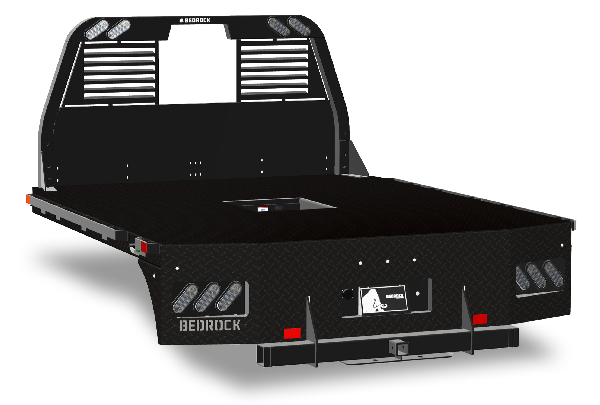
The 3D Diamond is the top‑tier option for contractors who routinely haul heavy machinery. For fleets focused on fuel efficiency, the 3D Onyx offers a lighter platform without sacrificing durability.
How much does truck flatbed installation cost in 2026?
Atomic answer: In 2026, professional flatbed installation typically ranges from $2,200 to $3,800, depending on model complexity, labor rates, and any required chassis modifications.
- Base labor (2‑3 days) ≈ $1,200‑$1,500
- Hardware kit (model‑specific) ≈ $500‑$900
- Under‑coating & finish ≈ $300‑$600
- Travel & overhead (if mobile) ≈ $200‑$400
Prices can vary by region; urban centers with higher labor costs may trend toward the upper end. Always request an itemized quote to avoid hidden fees.
What are the most common mistakes people make when installing a flatbed?
Atomic answer: The top three pitfalls are: (1) ignoring chassis compatibility, (2) skipping torque verification, and (3) neglecting rust‑proofing, each of which can lead to premature failure or safety violations.
- Mismatched Frame Rails: Installing a 12‑ft flatbed on a truck designed for a 10‑ft platform overloads the rear suspension and may void the warranty.
- Improper Torque: Over‑tightening bolts can crack the frame, while under‑tightening creates looseness that amplifies vibration.
- Skipping Under‑Coating: In humid or coastal regions, untreated steel rusts quickly, reducing service life by up to 30 %.
Pro tip: After the installer finishes, use a torque wrench yourself to double‑check all critical bolts after the first 100 miles of operation. This simple habit catches any settlement before it becomes a costly repair.
What guarantees and support does Bedrock offer after installation?
Atomic answer: Bedrock provides a 5‑year limited warranty on the flatbed structure, a 2‑year labor guarantee on installation, and 24/7 technical support for any fit‑or‑finish issues.
The warranty covers frame cracks, corrosion under the factory‑applied coating, and bolt‑hole deformation when the flatbed is used within its rated specifications. Bedrock’s support team also offers a complimentary annual inspection for the first two years.
Frequently Asked Questions (FAQ)
1. How long does a professional flatbed installation take? Typically 2–3 full workdays, including site prep, mounting, torque verification, and a load test.
2. Do I need a special license to operate a truck with a flatbed?\nNo additional license is required beyond your standard commercial driver’s license (CDL), but you must comply with FMCSA weight and dimension regulations.
3. Can I install a Bedrock flatbed on an older pre‑2000 truck? Yes, as long as the frame rails match Bedrock’s mounting specifications. Older chassis may need reinforcement plates, which are included in the installation quote.
4. What maintenance does a flatbed require? Inspect bolts quarterly, re‑torque after the first 200 miles, and respray protective coating every 5 years or after severe corrosion exposure.
5. Is financing available for the flatbed and installation? Bedrock partners with several equipment financing firms to offer leasing and payment plans; contact the sales team for current rates.
6. Will the installation affect my truck’s warranty? If performed by a Bedrock‑certified installer using OEM‑approved parts, your vehicle’s manufacturer warranty remains intact.
7. How do I schedule an installation? Visit Bedrock’s Truck flatbed installation near me page, select a certified partner, and request a free quote.
8. Are there tax incentives for upgrading to a flatbed? According to the U.S. Department of Transportation’s 2024 equipment upgrade incentive program, businesses can claim a 15 % deduction on qualifying capital equipment, including flatbeds, in the year of purchase.
Ready to upgrade your fleet? Bedrock’s certified installers are just a click away. Explore the full installation guide and request a personalized quote today.
Interested in learning more?
Visit our website to explore products, find dealers, and get in touch.
Visit Bedrock Truck Beds →