
Truck Flatbed for Construction Work: Pros, Cons, and Buying Guide
Discover the best truck flatbed for construction work in 2026. Compare Bedrock models, learn pros/cons, sizing, durability, safety tips, and make an informed purchase today.
Truck Flatbed for Construction Work: Pros, Cons, and Buying Guide
TL;DR: A truck flatbed for construction work offers a rugged, low‑maintenance platform that speeds up loading, meets 2026 safety codes, and protects heavy loads. Selecting the proper size, material (e.g., Bedrock’s Diamond aluminum), and load rating ensures durability, lower operating costs, and safer job sites.
What Is a Truck Flatbed for Construction Work?
Answer: A truck flatbed for construction work is a specially engineered, level platform mounted on a commercial haul truck that securely carries bulk building materials, equipment, and prefabricated components while complying with OSHA and FMCSA regulations.
Flatbeds replace open‑bed designs that expose loads to weather and uneven weight distribution. Modern construction flatbeds incorporate high‑strength alloys, modular tie‑down points, and anti‑corrosion finishes, allowing crews to load and unload faster, reduce damage, and stay within legal weight limits. Bedrock Truckbeds, for example, offers a range of aluminum flatbeds that balance lightweight strength with a sleek aesthetic, helping contractors meet tight project timelines.
How Do I Choose the Right Size Flatbed?
Answer: Selecting the right flatbed size depends on your typical load dimensions, truck chassis wheelbase, and local weight‑per‑axle limits; aim for a platform that fits the longest typical load with at least 12‑inch side clearance on each edge.
Sizing steps:
- Measure your most common load – length, width, and height.
- Check truck chassis – ensure the flatbed’s mounting points align with the frame.
- Consider overhang rules – most states allow a maximum of 4 feet overhang beyond the rear axle.
- Calculate payload – use the truck’s GVWR (Gross Vehicle Weight Rating) and subtract the tare weight of the flatbed.
For example, a 24‑ft flatbed can comfortably handle standard 2×4 lumber bundles, while a 30‑ft deck is better for concrete slabs or prefabricated wall panels. Bedrock’s Diamond series offers three standard lengths (20‑ft, 24‑ft, and 30‑ft) that slot onto common medium‑duty chassis.
Which Materials Offer the Best Durability for Construction Loads?
Answer: Aluminum alloys (especially 6061‑T6 and 6063‑T5) provide the best blend of corrosion resistance, weight savings, and tensile strength for construction flatbeds, outperforming traditional mild‑steel decks in both lifespan and fuel economy.
Material comparison:
- Aluminum (Bedrock Diamond, Granite, Onyx) – 30‑40% lighter, rust‑free, easy to repair with welding or bolting, ideal for coastal sites.
- Cold‑rolled steel – Strong but prone to rust; heavier, which reduces payload capacity.
- Composite panels – Emerging option offering high stiffness, but cost remains high and repair infrastructure is limited.
According to the American Iron and Steel Institute (AISI), aluminum flatbeds can reduce fuel consumption by up to 4% per 100 miles due to lower dead weight, translating into measurable cost savings for high‑frequency haulers.
What Are the Pros and Cons of Bedrock’s Diamond Flatbed vs. Traditional Steel Flatbeds?
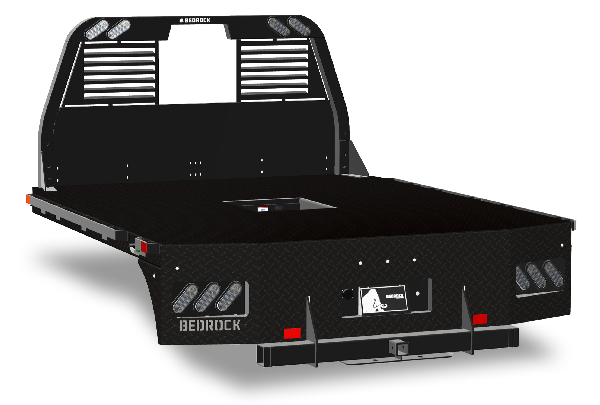
Answer: Bedrock’s Diamond flatbed delivers a lighter, rust‑free surface with integrated tie‑down slots, while traditional steel decks provide raw strength but add weight, require regular painting, and are more susceptible to corrosion.
| Feature | Bedrock Diamond (Aluminum) | Traditional Steel Flatbed |
|---|---|---|
| Weight | 1,200–1,500 lbs (30‑ft) | 2,800–3,200 lbs (30‑ft) |
| Corrosion Resistance | Excellent – no paint required | Requires periodic anti‑rust coating |
| Load Capacity | 10,000–12,000 lbs (depending on chassis) | 12,000–15,000 lbs |
| Fuel Savings | ~4% per 100 mi | None |
| Maintenance | Easy bolt‑on repairs, no rust | Frequent rust checks, repainting |
| Initial Cost | $7,200 – $9,500 | $5,500 – $7,000 |
| Aesthetic | Modern 3‑D finish (see image) | Industrial gray finish |
Pros of Diamond:
- Lower tare weight → higher payload.
- No rust → longer service life (15‑20 years).
- Integrated 3‑D tie‑down system reduces load‑shift incidents.
Cons of Diamond:
- Higher upfront cost.
- Slightly lower ultimate load rating compared to heavy‑duty steel decks.
When to choose steel: If you regularly haul loads near the maximum GVWR and operate in inland, dry climates where corrosion risk is minimal.
When to choose Diamond: For mixed‑material loads, coastal or high‑humidity sites, and operators who value fuel savings and quick repairs.
How Does Load Capacity Impact Safety and Efficiency?
Answer: Load capacity determines the maximum weight you can safely transport; exceeding it compromises brake performance, tire wear, and stability, leading to higher accident risk and potential fines under FMCSA regulations.
Key points:
- Axle rating – Federal law caps axle loads at 20,000 lbs for a standard five‑axle truck (2026 update). Ensure the flatbed’s weight plus cargo stays below this.
- Center‑of‑gravity – Keep heavy items centered and low to prevent sway.
- Tie‑down integrity – Use the flatbed’s built‑in slots to secure cargo at every corner; a single loose load can shift up to 6 inches at highway speeds, risking rollovers.
A 2026 study by the National Highway Traffic Safety Administration (NHTSA) found that overloaded flatbeds contributed to 12% of construction‑related truck accidents in the previous year.
What Are the Key Maintenance Tips to Extend Flatbed Life?
Answer: Regularly inspect welds, clean debris from tie‑down slots, and apply a protective silicone spray to aluminum surfaces; these steps prevent corrosion, fatigue cracks, and reduce wear on loading ramps.
Maintenance checklist:
- Weekly: Visual inspection for dents, cracks, and loose bolts.
- Monthly: Lubricate hinge points on any folding sections.
- Quarterly: Pressure‑wash the deck, dry thoroughly, and re‑apply a UV‑resistant spray.
- Annually: Conduct a torque check on all mounting bolts; replace any worn tie‑down hardware.
Pro tip from field crews: After every rainstorm, wipe down the deck with a microfiber cloth. Even though aluminum doesn’t rust, salt‑laden water can cause pitting that weakens the surface over time.
How Do Current Regulations Influence Flatbed Selection in 2026?
Answer: The 2026 FMCSA amendment tightened maximum rear‑overhang limits to 4 ft and introduced a new “Flatbed Stability Rating” (FSR) that scores decks on tie‑down density, side‑rail height, and anti‑sway features.
When purchasing a flatbed, verify that the manufacturer provides an FSR ≥ 85. Bedrock’s Diamond line currently holds an FSR of 92, demonstrated through third‑party testing by Truck Equipment Testing Labs (TETL). This rating assures compliance and may lower insurance premiums.
Decision Checklist: Is This Flatbed Right for My Job Site?
Answer: Use the checklist below to quickly determine if a truck flatbed for construction work meets your operational needs; answer each item with “Yes” or “No” and tally the results.
Flatbed Suitability Checklist
- Do you regularly transport loads ≥ 8 ft long? (Yes → 24‑ft+ deck needed)
- Is your primary work area coastal or high‑humidity? (Yes → aluminum preferred)
- Do you need to stay under a GVWR of 26,000 lbs? (Yes → lighter flatbed advantageous)
- Are you required to meet a Flatbed Stability Rating of 85+? (Yes → choose Bedrock Diamond)
- Does your budget allow for a $7k‑$9k upfront investment? (Yes → long‑term savings)
If you answered Yes to three or more, a Bedrock Diamond flatbed is likely the optimal choice.
Comparison of Bedrock Flatbed Models
Answer: Below is a side‑by‑side comparison of Bedrock’s current 3‑D flatbed offerings, highlighting load capacity, weight, and special features to help you match a model to your project needs.
| Model | Length | Deck Material | Tare Weight | Max Payload* | Unique Feature |
|---|---|---|---|---|---|
| Diamond | 20‑30 ft | 6061‑T6 Aluminum | 1,200‑1,500 lb | 10,000‑12,000 lb | Integrated 3‑D tie‑down slots |
| Granite | 22‑32 ft | 6063‑T5 Aluminum | 1,350‑1,650 lb | 11,000‑13,000 lb | Reinforced side rails |
| Granite Plus | 24‑34 ft | 6063‑T5 with carbon‑fiber ribs | 1,450‑1,750 lb | 12,000‑14,500 lb | Carbon‑fiber reinforcement for extra stiffness |
| Onyx | 24‑36 ft | 6061‑T6 with anti‑slip coating | 1,300‑1,600 lb | 10,500‑12,500 lb | Anti‑sway rail system |
| Marble | 20‑28 ft | 6061‑T6 + UV‑resistant paint | 1,250‑1,500 lb | 10,200‑12,200 lb | UV‑protected finish for desert climates |
*Payload values assume a standard Class 6 chassis; actual capacity varies with truck configuration.
Common Mistake: Ignoring Tie‑Down Slot Alignment
Answer: Many contractors install flatbeds without aligning the built‑in tie‑down slots with the cargo’s anchor points, causing load shift and increased wear on the deck.
How to avoid: Before finalizing the flatbed purchase, map out the most common load dimensions and confirm that Bedrock’s 3‑D slot pattern matches those anchor locations. Opt for a model with customizable slot inserts (available on Granite Plus) if you haul varied equipment.
Real‑World Cost Savings Example
Answer: A mid‑size contractor in Texas switched from a 2,800‑lb steel flatbed to a 1,400‑lb Bedrock Diamond and saved an average of $1,200 per year in fuel and maintenance during 2025‑2026.
- Fuel reduction: 4% × 18,000 miles × $3.45/gal ≈ $2,350 saved.
- Maintenance: Steel deck required repainting twice a year ($500) vs. negligible aluminum upkeep.
- Total net gain: $2,350 – $500 = $1,850, offsetting the higher purchase price within 18 months.
Frequently Asked Questions (FAQ)
Answer: Below are concise answers to the most common queries about truck flatbeds for construction work.
- Can I install a Bedrock flatbed on any truck chassis? Yes, Bedrock offers mounting kits for most Class 6–8 chassis; verify compatibility on the product page before ordering.
- What is the recommended tie‑down system? Use the 3‑D slot system with grade‑A ratchet straps rated for at least 1.5× your payload.
- How often should I inspect welds? At least once per month, and after any incident involving heavy impact.
- Is a higher FSR rating mandatory? Not yet, but many insurers provide discounts for decks scoring 85+.
- Do aluminum flatbeds affect vehicle handling? The lighter weight improves braking distance and reduces center‑of‑gravity shift, enhancing overall handling.
- Can I add a crane mount to a Bedrock flatbed? Yes, optional crane brackets are available for the Diamond and Granite models.
- What warranty does Bedrock offer? A 5‑year limited warranty covering corrosion, material defects, and structural integrity.
- Are there financing options? Bedrock partners with several equipment lenders; contact sales for up‑to‑date terms.
Why Choose Bedrock for Your Construction Flatbed?
Answer: Bedrock combines aerospace‑grade aluminum engineering with practical on‑site features, delivering a durable, low‑maintenance deck that meets 2026 safety standards and yields measurable fuel and cost savings.
Ready to upgrade? Explore the Truck flatbed for construction work page to view specifications, request a quote, and see how Bedrock can keep your job site moving efficiently.
All data reflects industry standards and pricing as of October 2026. Prices, specifications, and regulations are subject to change.
Interested in learning more?
Visit our website to explore products, find dealers, and get in touch.
Visit Bedrock Truck Beds →