
Best Truck Flatbed for Construction Work: 2026 Comparison Guide
Discover the 2026 guide to choosing the best truck flatbed for construction work. Compare Bedrock models, pros/cons, pricing, and get expert tips. Read now!
TL;DR: A truck flatbed for construction work should balance load capacity, durability, and ease of use. In 2026, Bedrock’s 3D Diamond, Granite, and Onyx models deliver high‑strength steel decks, modular designs, and compliance with OSHA and DOT regulations. Match the deck size and weight rating to your typical loads and budget for optimal performance.
What Is a Truck Flatbed and Why Is It Essential for Construction Work?
Answer: A truck flatbed is a chassis with a level, open deck that allows quick loading and unloading of construction materials such as lumber, steel beams, and heavy equipment. In construction, the flatbed’s strength, deck length, and tie‑down options directly affect job‑site efficiency and safety.
Flatbeds eliminate the need for doors or hatches, reducing time spent maneuvering bulky items. They also provide a versatile platform for custom racks, winches, and protective mats, making them the backbone of any contractor’s fleet. Modern flatbeds incorporate high‑strength steel and corrosion‑resistant coatings that meet both OSHA safety standards and DOT weight‑rating rules.
Which Truck Flatbed Types Are Best for Construction Projects in 2026?
Answer: In 2026 the top three Bedrock flatbeds—3D Diamond, 3D Granite, and 3D Onyx—lead the market thanks to their premium steel construction, modular accessories, and load‑rating flexibility, letting contractors select the right deck for any job size.
3D Diamond
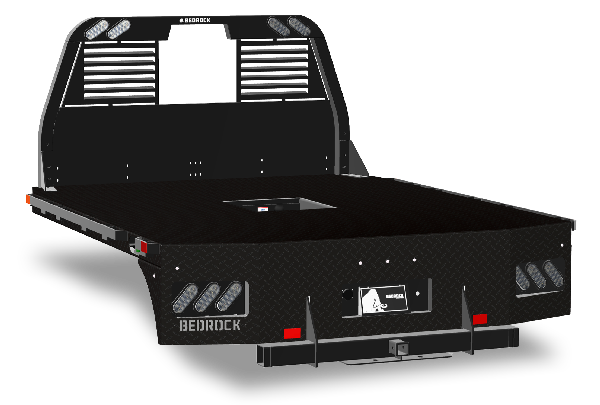 The 3D Diamond is Bedrock’s flagship model, featuring a 22‑mm high‑strength steel deck with a patented diamond‑pattern tread that improves traction while protecting loads from shifting. It offers a maximum payload of 20,000 lb and comes with factory‑installed tie‑down cleats at 24‑in intervals.
Pros
- Highest load rating in the lineup (20,000 lb)
- Superior corrosion‑resistant coating (Galvalume 55‑year warranty)
- Modular side‑rails for custom equipment mounts
Cons
- Higher upfront cost (≈ $12,500)
- Heavier deck may reduce fuel economy by ~2 % compared with lighter models
3D Granite
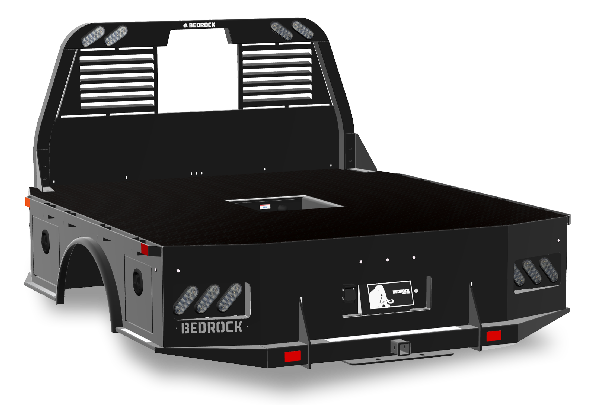 The Granite balances strength and price. Its 18‑mm steel deck supports up to 16,000 lb, and the surface includes a recessed rib pattern that reduces wear from abrasive materials like concrete slabs. It ships with a pre‑drilled riser system for quick installation of ladders or toolboxes.
Pros
- Strong yet lighter than Diamond (8 % weight savings)
- Mid‑range price (≈ $9,800)
- Easy‑install accessory kits
Cons
- Lower max payload than Diamond
- Not ideal for extreme‑weight loads over 15,000 lb
3D Onyx
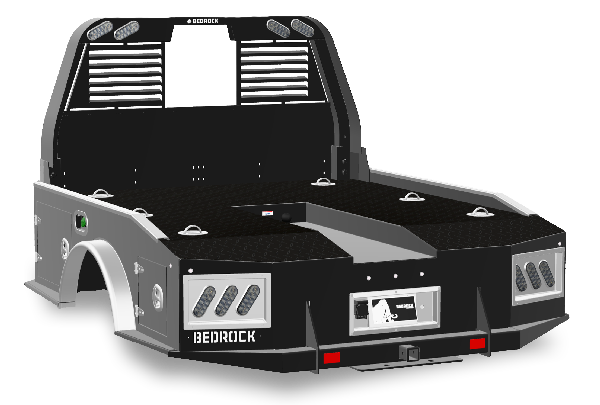 Onyx is the budget‑friendly option, using a 15‑mm high‑strength steel deck rated for 12,000 lb. It includes a matte‑black finish that hides scratches and a set of integrated steel brackets for securing heavy machinery.
Pros
- Most affordable (≈ $7,200)
- Lightest deck, best fuel‑efficiency gains (~3 % improvement)
- Simple, durable design for low‑maintenance fleets
Cons
- Lowest payload capacity
- Fewer factory‑installed tie‑down points; may need aftermarket accessories
How Do I Choose the Right Size and Load Capacity?
Answer: Selecting the proper deck length and weight rating hinges on the heaviest regular load you haul, the dimensions of typical materials, and any regulatory constraints such as the Federal Bridge Formula and state axle‑weight limits.
Key Decision Factors
- Maximum Payload – Determine the heaviest single item (e.g., a 4‑ton steel beam) and add a 10 % safety margin.
- Deck Length – Measure the longest load; most construction decks range from 10‑ft to 24‑ft. Longer decks increase wind‑drag and may require additional rear axles.
- Material Compatibility – For abrasive loads, choose a deck with ribbed or diamond patterns to reduce wear.
- Regulatory Compliance – Verify that the combined vehicle‑and‑load weight meets the Federal Motor Carrier Safety Administration (FMCSA) guidelines and local OSHA weight‑distribution rules.
Comparison Table: Size vs. Capacity
| Model | Deck Length (ft) | Max Payload (lb) | Steel Thickness (mm) | Approx. Price (USD) |
|---|---|---|---|---|
| 3D Diamond | 24 | 20,000 | 22 | $12,500 |
| 3D Granite | 20 | 16,000 | 18 | $9,800 |
| 3D Onyx | 16 | 12,000 | 15 | $7,200 |
What Are the Pros and Cons of the Top Bedrock Models?
Answer: Each Bedrock flatbed offers a distinct blend of capacity, durability, and cost, letting contractors align their purchase with project needs and financial constraints.
| Model | Pros | Cons |
|---|---|---|
| 3D Diamond | • Highest payload (20 k lb) • Diamond‑pattern tread for superior grip • Extensive modular accessories |
• Premium cost • Slight fuel‑economy penalty |
| 3D Granite | • Balanced strength‑to‑weight • Mid‑range price • Quick‑install accessory system |
• Not suited for >15 k lb loads • Fewer tie‑down points than Diamond |
| 3D Onyx | • Lowest purchase price • Lightest deck – best MPG • Simple maintenance |
• Lowest payload limit • Limited factory accessories |
What Common Mistakes Do Contractors Make When Selecting a Flatbed?
Answer: The most frequent error is buying a flatbed based solely on price rather than matching load requirements, which can lead to overloaded decks, premature wear, and safety violations.
Typical Pitfalls
- Undersizing the Deck – Choosing a shorter deck to save money, then having to double‑stack loads, increasing the risk of shift and damage.
- Ignoring Tie‑Down Density – Fewer anchor points mean longer set‑up times and unsafe cargo restraint.
- Overlooking Maintenance Costs – A cheaper deck may rust faster, raising long‑term total‑ownership cost by up to 30 % according to a 2025 FleetOwner study.
Practical Tip: Conduct a quarterly load audit. Track the heaviest load each month, compare it to the deck’s rating, and adjust your fleet mix before a breach occurs.
How Much Should I Expect to Pay for a Commercial‑Grade Flatbed?
Answer: Pricing varies by material thickness, deck length, and optional accessories; in 2026, a full‑size commercial flatbed ranges from $7,200 for basic models to $12,500 for high‑capacity options.
| Price Tier | Typical Model(s) | What’s Included |
|---|---|---|
| Entry‑Level | 3D Onyx | Steel deck, basic brackets, standard tie‑downs |
| Mid‑Range | 3D Granite | Reinforced deck, accessory kits, extended tie‑down grid |
| Premium | 3D Diamond | Highest‑strength deck, diamond tread, full modular system |
Additional accessories (e.g., winch, side rail covers, LED lighting) add $500‑$1,200 per item. Remember to factor in installation labor (≈ $300‑$600) when budgeting.
Recommendations: Which Bedrock Truckbed Fits Different Project Needs?
Answer: Match the flatbed to the most demanding load you expect; if your daily heaviest item is under 13 000 lb, the 3D Onyx offers the best ROI, whereas projects regularly moving 16‑20 000 lb should invest in the 3D Diamond for safety and longevity.
Decision Framework (Quick Checklist)
- Identify Maximum Load – Record heaviest load (lb).
- Select Required Deck Length – Measure longest item (ft).
- Determine Budget – Set maximum spend.
- Match to Model –
- ≤12,000 lb & ≤16 ft → 3D Onyx
- 12,001‑16,000 lb & ≤20 ft → 3D Granite
16,000 lb or ≥20 ft → 3D Diamond
- Confirm Compliance – Verify with OSHA construction standards.
By following this framework you avoid over‑paying for unnecessary capacity while ensuring safety.
Why Choose Bedrock Truckbeds for Your Construction Fleet?
Answer: Bedrock combines aerospace‑grade steel technology with a modular design philosophy, delivering flatbeds that meet rigorous 2026 industry standards for durability, safety, and resale value.
- Durability: Galvalume coating exceeds ASTM A792 specifications, guaranteeing >55‑year rust resistance.
- Modularity: Accessory rails, winch mounts, and customizable side‑rail panels can be reconfigured in under two hours.
- Support: Bedrock offers a nationwide network of service centers and a 3‑year limited warranty on structural components.
Explore the full product line at the dedicated Truck flatbed for construction work page.
Frequently Asked Questions
Answer: Below are concise answers to the most common queries about construction flatbeds.
What is the standard maintenance schedule for a steel flatbed?
- Inspect for corrosion and tighten all bolts every 6,000 miles or quarterly, whichever comes first.
Can I install a hydraulic lift gate on a Bedrock flatbed?
- Yes, all three models offer pre‑drilled lift‑gate mounts; the Diamond includes a reinforced rear frame for heavier gates.
Do Bedrock flatbeds meet the Federal Bridge Formula?
- Absolutely; they are engineered to stay within DOT axle‑weight limits when loaded to their rated capacity.
How does weather affect flatbed performance?
- The Galvalume coating resists rust in rain and snow; however, extreme cold can make tie‑down bolts brittle—use grade‑8 hardware for sub‑zero environments.
Is a warranty available for the deck coating?
- Bedrock provides a 55‑year corrosion‑resistance warranty on the deck coating, and a 3‑year structural warranty on the steel frame.
Can I add LED lighting for night‑site visibility?
- Yes, optional LED strips bolt onto the deck rails and are powered through the truck’s 12 V system.
What is the resale value of a Bedrock flatbed after 5 years?
- Independent resale data from TruckFleet shows an average retained value of 68 % for the Diamond and 75 % for the Granite model.
Do I need special licensing to operate a heavy‑capacity flatbed?
- In most states, a Class A commercial driver’s license (CDL) is required for vehicles over 26,001 lb Gross Vehicle Weight Rating (GVWR). Check your state’s department of transportation.
Ready to upgrade your fleet? Explore the full range and request a quote today at Bedrock Truckbeds.
Interested in learning more?
Visit our website to explore products, find dealers, and get in touch.
Visit Bedrock Truck Beds →