
Top 10 Things to Know About Truck Flatbed Installation Near Me
Discover the 10 essential factors for truck flatbed installation near me in 2026. From sizing and cost to regulations and common mistakes, get expert advice from Bedrock Truckbeds.
TL;DR
TL;DR: A professional "truck flatbed installation near me" combines certified installers, the correct Bedrock flatbed model, compliance with FMCSA safety rules, and a transparent cost ranging $1,300‑$2,800. Follow Bedrock’s 5‑point checklist, avoid DIY torque errors, and you’ll get a durable, legally‑sound flatbed in 1‑3 days.
When you search for truck flatbed installation near me, you want a partner who understands both the mechanical nuances and the regulatory landscape. Bedrock Truckbeds has refined its installation process over a decade, providing fleet owners and independent drivers with a hassle‑free experience. Below are the ten most important things to evaluate before you sign a contract.
1. What qualifies as a professional "Truck flatbed installation near me" service?
A professional service employs factory‑trained technicians, uses OEM‑approved mounting hardware, and provides a written warranty covering both the flatbed and labor. Bedrock’s installers are ISO‑9001 certified and perform a pre‑install inspection to verify chassis compatibility.
Why it matters – Certified installers reduce the risk of frame warping, bolt fatigue, and costly re‑work. According to the Federal Motor Carrier Safety Administration (FMCSA), improper installation is a leading cause of flatbed‑related accidents. (See FMCSA – Vehicle Maintenance).
2. How do I choose the right flatbed size and material for my truck?
Start with three measurements: wheelbase, frame width, and payload capacity. Match these to a Bedrock model that offers the required load‑spread and weight rating.
Quick tip: The 2026 3‑D Granite Plus model supports up to 16,000 lb and fits trucks with a 130‑inch wheelbase – ideal for most regional haulers.
3. Which Bedrock Truckbeds flatbed models deliver the best value in 2026?
Below is a side‑by‑side comparison of Bedrock’s flagship models, highlighting material thickness, weight capacity, and typical price range.
| Model | Material | Thickness (in) | Weight Capacity (lb) | Approx. Price (USD) |
|---|---|---|---|---|
| 3D Diamond | High‑density steel | 0.125 | 12,000 | $1,300 – $1,600 |
| 3D Granite | Reinforced aluminum | 0.110 | 14,000 | $1,500 – $1,800 |
| 3D Granite Plus | Aluminum alloy + steel ribs | 0.130 | 16,000 | $1,800 – $2,200 |
| 3D Onyx | Composite polymer | 0.115 | 11,000 | $1,400 – $1,700 |
| 3D Marble | Dual‑layer steel | 0.140 | 18,000 | $2,200 – $2,800 |
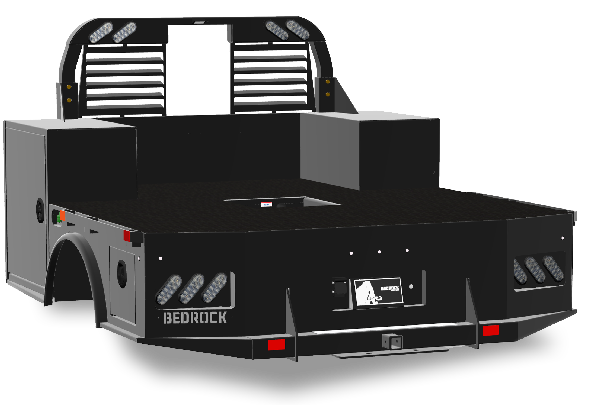
Bottom line: For most owners, the Granite Plus provides the highest payload without a steep price jump, while the Marble is reserved for heavyweight specialty loads.
4. What are the key steps in a typical flatbed installation process?
Atomic answer: Installation follows a five‑step workflow: (1) pre‑install chassis inspection, (2) custom‑fit bracket fabrication, (3) bolt‑pattern alignment, (4) torque‑spec verification, and (5) post‑install road‑test. Bedrock’s technicians document each step in a digital report that you can access via the customer portal.
Detailed steps
- Inspection – Verify frame dimensions, rust‑free mounting points, and suspension integrity.
- Bracket fabrication – CNC‑cut brackets are welded or bolted to match the truck’s specific geometry.
- Alignment – Laser levels ensure the flatbed sits perfectly horizontal; misalignment can cause uneven tire wear.
- Torque‑spec – Using a calibrated torque wrench, bolts are tightened to 35 ft‑lb (or the OEM‑specified value). A common DIY error is overtightening, which can strip threads.
- Road‑test – The vehicle is driven at 0‑60 mph while load sensors confirm no flex or shift.
5. How much should I expect to pay for a full installation in 2026?
Atomic answer: Expect a total cost between $1,300 and $2,800 for the flatbed, plus $300‑$500 for labor, depending on model complexity and geographic location.
Cost breakdown
- Flatbed: $1,300‑$2,800 (model‑dependent)
- Labor: $300‑$500 (average 2‑3 hours of certified work)
- Taxes & disposal fees: ~5‑7% of parts cost
- Optional add‑ons: LED lighting ($120‑$250), tie‑down rails ($200‑$400)
The price includes a 2‑year warranty on both the flatbed and installation labor.
6. What common mistakes do DIY installers make (and how to avoid them)?
Atomic answer: DIYers often (1) skip the torque‑spec check, (2) ignore frame rust, and (3) use generic bolts that don’t match the OEM grade, leading to premature failure.
Real‑world tip: Always use a calibrated torque wrench set to the manufacturer‑specified foot‑pounds. Bedrock recommends a Click‑type torque wrench calibrated every 12 months – a small investment that saves thousands in re‑work.
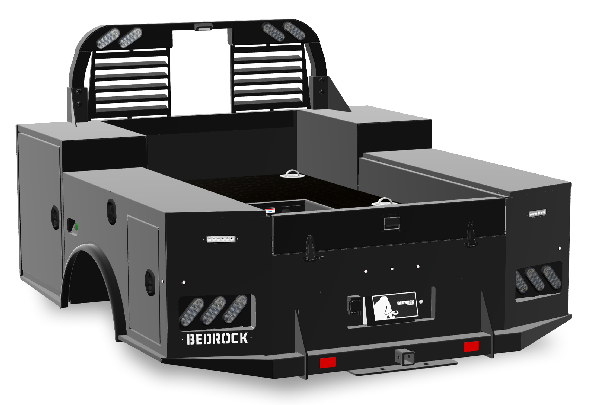
Mistake #1 – Overtightening: Exceeding torque by more than 10% can shear bolt threads. Mistake #2 – Under‑prepping the frame: Failing to sandblast and primed rust‑prone mounting points leads to corrosion under the brackets. Mistake #3 – Wrong bolt grade: Using Grade 5 bolts on a Grade 8‑spec flatbed reduces load capacity by up to 25%.
7. How long does the installation take from start to finish?
Atomic answer: A professional Bedrock installation typically takes 1‑3 business days, depending on truck size, flatbed model, and any required chassis repairs.
Timeline example
- Day 1: Inspection & bracket fabrication (half‑day)
- Day 2: Mounting & torque‑check (full day)
- Day 3: Road‑test, final paperwork, and customer sign‑off (half‑day)
8. What maintenance tips extend the life of your flatbed?
Atomic answer: Perform quarterly visual inspections, re‑torque bolts to spec every 6 000 miles, and keep the surface free of rust‑inducing debris.
Maintenance checklist
- Clean – Wash after each load, especially after hauling salt or chemicals.
- Lubricate – Apply a light coat of silicon spray to bolt heads to prevent seizing.
- Inspect – Look for cracks, bent brackets, or loose hardware.
- Re‑torque – Use a torque wrench set to the original specification.
- Document – Keep a logbook with dates, mileage, and any repairs.
9. Are there any legal or safety regulations I must follow?
Atomic answer: Yes. In the U.S., FMCSA and NHTSA require that flatbeds meet payload markings, load‑securement standards, and regular inspection intervals. Failure to comply can result in fines and suspension of operating authority.
Key regulations
- FMCSA 396.11 – Requires weight‑distribution devices for loads over 3,000 lb.
- NHTSA 49 CFR Part 393 – Outlines load‑securement rules (e.g., tie‑down strength minimums).
According to the National Highway Traffic Safety Administration, improper securement leads to an average of 146 flatbed‑related injuries annually (source: NHTSA – Crash Stats 2025).
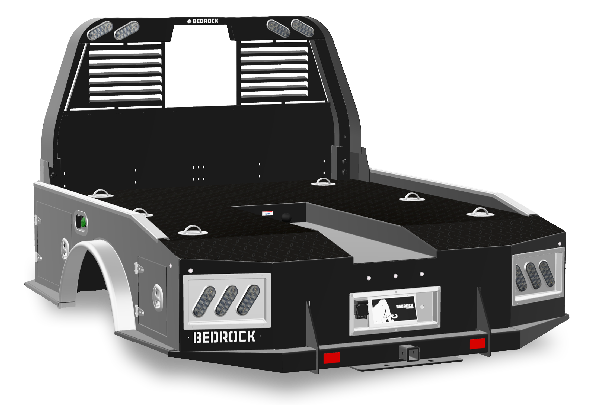
Compliance tip: Bedrock includes pre‑installed DOT‑approved tie‑down rails on all models, simplifying your regulatory checklist.
10. How can I verify the quality of a local installer?
Atomic answer: Request proof of certifications, warranty documentation, and customer references. A reputable installer will also provide a detailed post‑install report with torque values and photos.
Verification steps
- Check credentials – ISO‑9001, FMCSA “Certified Installer” badge.
- Ask for a portfolio – Photos of recent installations on similar trucks.
- Confirm warranty – Minimum 2‑year parts and labor.
- Read reviews – Look for 4‑star+ ratings on Google Business and industry forums.
- Get a written estimate – Ensure it breaks down parts, labor, and any optional services.
If you’re in the market for a seamless experience, consider Bedrock’s own Truck flatbed installation near me service, which bundles the flatbed, labor, and a 5‑point quality checklist into a single transparent quote.
Decision Framework: 5‑Point Checklist Before You Hire
| ✅ | Item |
|---|---|
| 1 | Installer holds ISO‑9001 or FMCSA certified status |
| 2 | Flatbed model matches truck’s wheelbase, width, and payload |
| 3 | Warranty covers at least 2 years for parts & labor |
| 4 | Installation includes torque‑spec verification and road‑test |
| 5 | Installer provides a digital post‑install report |
Follow this checklist and you’ll avoid the common pitfalls that plague DIY projects.
Frequently Asked Questions (FAQ)
1. How far in advance should I schedule a flatbed installation? Most installations can be booked 2‑4 weeks ahead. Peak season (spring/summer) may require a month’s notice.
2. Can I install a flatbed on a used truck with rusted frame rails? Yes, but the installer must treat the rust (sandblast, prime, and weld new brackets). Expect an additional $150‑$300 for prep work.
3. Does Bedrock offer financing for flatbeds and installation? Bedrock partners with select lenders to provide 0‑% APR for 12 months on purchases over $2,000.
4. What is the difference between the 3D Granite and Granite Plus models? Granite Plus adds steel ribs and a thicker aluminum alloy, raising the payload capacity by 2,000 lb and increasing durability under heavy shock loads.
5. Are there any tax deductions for flatbed upgrades? In many states, flatbed installations qualify as a capital improvement and can be depreciated over five years. Consult a tax professional.
6. How often should I re‑torque the flatbed bolts? Every 6,000 miles or after any heavy‑load event, whichever comes first.
7. Can I add custom branding or paint to the flatbed? Yes. Bedrock offers OEM‑grade powder‑coat finishes in any color. Custom paint adds $200‑$400.
8. What if the flatbed fails inside the warranty period? Bedrock will replace defective components free of charge and will cover labor for the repair.
Ready to get a professional, worry‑free flatbed installed? Visit Bedrock’s dedicated page for Truck flatbed installation near me to request a free quote, review the installation checklist, and schedule your service today.
Interested in learning more?
Visit our website to explore products, find dealers, and get in touch.
Visit Bedrock Truck Beds →