
How to Install a Truck Flatbed – Step‑by‑Step Guide 2026
Learn how to install a truck flatbed in 2026 with our detailed step‑by‑step guide, tool list, safety tips, cost breakdown, and FAQs. Upgrade your rig confidently.
TL;DR: Installing a truck flatbed requires choosing the right model, gathering tools, prepping the chassis, aligning brackets, and tightening bolts to spec. Follow our detailed 2026 guide, watch for common mistakes, and ensure compliance with FMCSA regulations for a safe, lasting installation.
What tools and materials do I need to install a truck flatbed?
Atomic answer: You’ll need a torque wrench (≥150 ft‑lb), grade‑8 bolts, a drill with metal bits, a level, a jack and stands, protective gloves, and the specific Bedrock flatbed model you’ve selected, along with all manufacturer‑included mounting hardware.
A successful flatbed conversion starts with the right toolbox. For most medium‑duty trucks, a ½‑inch drive torque wrench calibrated to 150‑180 ft‑lb is essential to achieve the manufacturer’s torque spec. Grade‑8 (Class 8) bolts provide the tensile strength needed for loads up to 10,000 lb. A corded or cordless drill with a ½‑inch metal‑drill bit will be used to pre‑drill mounting holes if your chassis doesn’t already have them. A magnetic base level ensures the bed sits perfectly horizontal, crucial for load stability. Finally, a sturdy floor jack and axle‑rated jack stands keep the truck safely lifted while you work.
Tip: Keep a small, labeled parts tray nearby so you never lose a washer or a nut during installation.
How do I prepare the truck chassis for a flatbed installation?
Atomic answer: Begin by safely raising the truck, removing the existing body or cargo area, cleaning the mounting surface, and checking for rust or damage; then apply a rust‑inhibiting primer and re‑paint the bracket zones before attaching the flatbed.
Start by parking the truck on a level surface, engaging the parking brake, and chocking the rear wheels. Use the floor jack to lift the frame and support it with jack stands placed under the frame rails. Remove any existing trailer or body components, taking care to label wiring harnesses for later reconnection. Thoroughly clean the mounting area with a wire brush and degreaser; any residue will compromise bolt tension. Inspect the frame for cracks, corrosion, or bent rails—repair or reinforce as needed. Apply a rust‑inhibiting primer and a compatible topcoat to the bracket mounting zones to extend the life of the installation.
Common mistake: Skipping the primer step often leads to premature rust, especially in regions with harsh winters.
Step‑by‑step: How to install a truck flatbed
Atomic answer: Align the Bedrock flatbed with pre‑drilled chassis holes, insert grade‑8 bolts with washers, torque to 150‑180 ft‑lb following the bracket pattern, then double‑check alignment with a level before finalizing the install.
1. Position the flatbed
Place the flatbed onto the chassis, using the built‑in alignment pins (if equipped) to line up the mounting holes. Have an assistant hold the bed while you verify the position with a magnetic level.
2. Insert bolts and washers
Insert each grade‑8 bolt through the chassis and flatbed holes, adding a flat washer and a lock‑nut on the underside. Hand‑tighten all bolts to seat the flatbed evenly.
3. Torque sequence
Using a cross‑pattern, tighten each bolt to 150 ft‑lb (or 180 ft‑lb for heavy‑duty models) with a calibrated torque wrench. This evenly distributes load across the frame and prevents warping.
4. Verify level and alignment
Place a bubble level across the length of the bed; adjust any out‑of‑level bolts in 10‑degree increments, retorque as needed. Walk the length of the bed to confirm a seamless surface.
5. Re‑install accessories
Reconnect any wiring harnesses, reinstall lights, and attach the tie‑downs or ladder racks that came with your Bedrock flatbed.
6. Final safety check
Lower the truck, remove the jack stands, and perform a short test drive. Stop after 5 minutes to re‑inspect all bolts for any settlement.
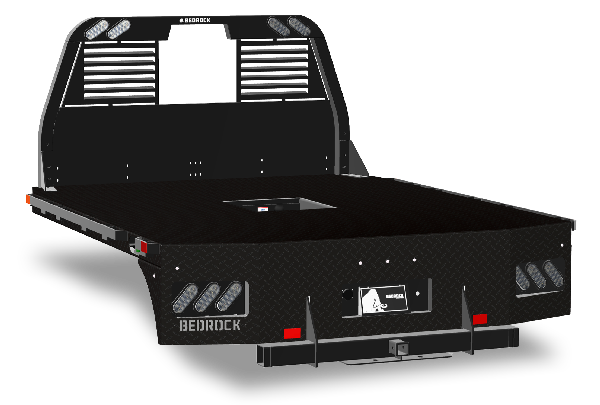
Pro tip: Keep a torque log sheet in the driver’s cab; re‑torque the bolts after the first 50 miles of use.
What size and material should I choose for my flatbed?
Atomic answer: Choose a flatbed size that matches your truck’s wheelbase (typically 8‑10 ft for midsize trucks) and a material—Diamond, Granite, Granite Plus, Onyx, or Marble—that balances load capacity, weight, and budget.
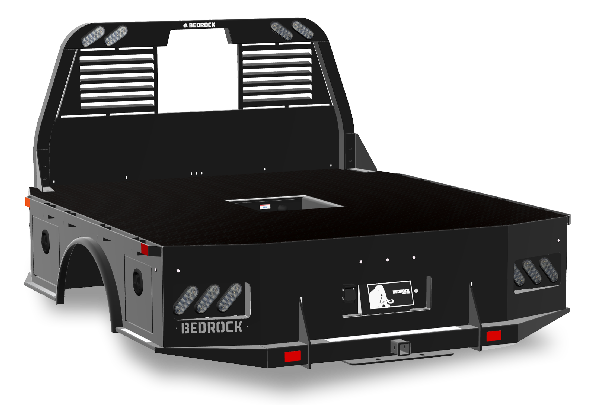
Bedrock offers five premium flatbed finishes, each engineered for specific industry needs. Below is a quick comparison to help you decide which model fits your operation in 2026.
| Model | Material | Max Load Capacity | Approx. Bed Weight* | 2026 Price Range |
|---|---|---|---|---|
| Diamond | High‑strength alloy steel with a diamond‑textured surface | 10,000 lb | 350 lb | $4,200 – $4,800 |
| Granite | Powder‑coated steel with granite‑look finish | 9,500 lb | 330 lb | $3,900 – $4,300 |
| Granite Plus | Reinforced steel, anti‑corrosion coating | 10,500 lb | 340 lb | $4,500 – $5,000 |
| Onyx | Black anodized aluminum, lightweight | 8,500 lb | 280 lb | $4,800 – $5,300 |
| Marble | Premium marble‑pattern finish, UV‑protected coating | 9,200 lb | 360 lb | $4,600 – $5,200 |
*Weights are approximate and vary by truck model.
The Diamond model is best for heavy‑duty hauling, while Onyx offers a lower weight for fuel‑efficiency‑focused fleets. For a balance of durability and cost, Granite Plus is a popular choice among regional carriers.
Common mistakes and how to avoid them
Atomic answer: The most frequent errors are using incorrect bolt grades, neglecting torque specifications, and overlooking chassis rust—each can cause premature failure or unsafe operation.
- Using low‑grade bolts: Grade‑8 bolts are required; substituting grade‑5 can reduce tensile strength by up to 30 %.
- Skipping torque specs: Over‑tightening can strip threads; under‑tightening leads to bolt creep. Always use a calibrated torque wrench.
- Ignoring rust: Rust‑eaten bolt holes will strip; drill new holes only after cleaning and priming.
- Improper alignment: A misaligned bed puts uneven stress on the frame, causing fatigue cracks over time.
- Not re‑torquing after the break‑in period: Bolts settle after the first 30–50 miles; a second torque check restores proper clamping force.
Quick checklist:
- Grade‑8 bolts + lock‑nuts
- Torque to 150‑180 ft‑lb
- Clean and prime mounting surface
- Verify level & alignment
- Re‑torque after 50 miles
Real‑world tips from professional installers
Atomic answer: Seasoned installers recommend pre‑drilling all mounting holes with a lubricant‑coated bit and using a magnetic pin‑holder to keep the flatbed steady during bolt insertion.
During a recent fleet upgrade for a construction company, we used a “floating board” technique: a thin steel plate placed under the flatbed while tightening bolts to distribute pressure evenly. This prevented the thin aluminum brackets from warping under torque. Additionally, applying a high‑temperature thread locker (e.g., Loctite 271) on every bolt reduces the risk of vibration‑induced loosening.
Cost breakdown and budgeting for a flatbed conversion (2026)
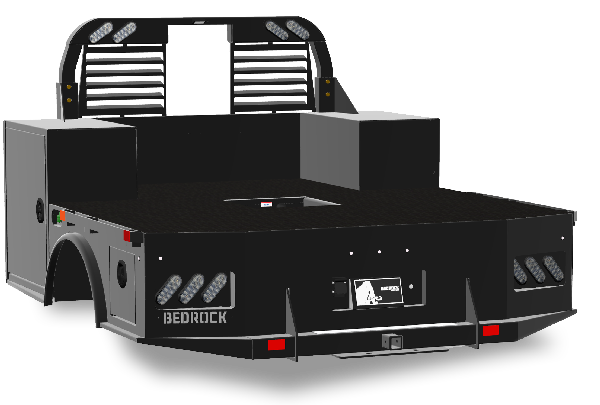
Atomic answer: Expect a total cost of $5,500‑$7,200, covering the Bedrock flatbed ($4,200‑$5,500), labor ($800‑$1,200), and ancillary items like bolts, torque wrench rental, and paint.
| Cost Item | Low End (2026) | High End (2026) |
|---|---|---|
| Flatbed (Bedrock) | $4,200 (Diamond) | $5,500 (Onyx) |
| Labor (professional install) | $800 | $1,200 |
| Fasteners & hardware | $150 | $250 |
| Paint & primer | $100 | $200 |
| Misc. tools (torque wrench rental) | $50 | $100 |
| Total | $5,300 | $7,250 |
These numbers assume a mid‑size truck with a standard 8‑ft wheelbase. Pricing may vary by region and the chosen flatbed finish. For fleets, bulk purchasing can shave 10‑15 % off the unit price.
What regulations apply to flatbed installations?
Atomic answer: The FM‑Number 396–22 and OSHA standards require that flatbed installations meet load‑rating, bolt‑tightening, and safety‑marking criteria; compliance is verified during the annual DOT inspection.
According to the Federal Motor Carrier Safety Administration (FMCSA), any modification that alters a vehicle’s weight distribution must be documented on the Vehicle Inspection Report (VIR). Moreover, the Occupational Safety and Health Administration (OSHA) mandates that all fastening hardware meet SAE J2601 torque specifications for commercial vehicles. Failure to comply can result in fines up to $11,000 per violation and may invalidate insurance coverage.
Reference: FMCSA – Commercial Vehicle Safety Standards
FAQ – How to install truck flatbed
Atomic answer: Below are concise answers to the most common post‑install questions, covering torque, maintenance, and warranty considerations.
1. How often should I re‑torque the flatbed bolts?
Re‑torque after the first 50 miles and then during every annual maintenance cycle.
2. Can I install the flatbed myself without a professional?
Yes, if you have the proper tools, torque wrench, and follow the step‑by‑step guide; however, a professional inspection is recommended for commercial fleets.
3. What is the warranty on Bedrock flatbeds?
Bedrock offers a 5‑year limited warranty covering material defects and corrosion when installed per the manufacturer’s instructions.
4. Do I need to upgrade the suspension for a heavier flatbed?
If the flatbed’s load capacity exceeds the truck’s original rating, consider upgrading leaf springs or adding airbags; consult the truck’s GVWR chart.
5. How do I protect the flatbed from road salt and corrosion?
Apply a rust‑inhibiting spray every 6 months and wash the underside after winter road‑salt exposure.
6. Is it safe to weld additional brackets to the Bedrock flatbed?
Welding is not recommended; it can void the warranty and interfere with the engineered load path.
7. Can I add a winch or ladder rack after installation?
Yes, Bedrock flatbeds feature pre‑drilled mounting points for accessories; ensure extra bolts meet the same grade‑8 specification.
8. What is the best way to clean the flatbed surface?
Use a mild detergent and water; avoid abrasive cleaners that could damage the coating.
For a deeper dive into the exact installation steps and to view the full product line, explore Bedrock’s dedicated guide on How to install truck flatbed. This page includes downloadable torque tables, material specs, and a video walkthrough tailored for 2026 regulations.
Interested in learning more?
Visit our website to explore products, find dealers, and get in touch.
Visit Bedrock Truck Beds →