
How to Install Truck Flatbed: Complete Step-by-Step Guide 2026
Learn how to install truck flatbed with our comprehensive guide. Professional tips, tools needed, safety considerations, and step-by-step installation process.
TL;DR: Installing a truck flatbed requires removing the original bed, preparing mounting points, positioning the new flatbed with proper alignment, securing with grade 8 bolts, and testing all connections for safety.
How to Install Truck Flatbed: Complete Step-by-Step Guide 2026
Truck flatbed installation transforms your vehicle into a versatile workhorse capable of hauling oversized loads, equipment, and materials that traditional pickup beds simply can't accommodate. Whether you're upgrading for commercial use or enhancing your truck's utility for personal projects, proper installation is crucial for safety and performance.
This comprehensive guide walks you through every aspect of flatbed installation, from initial preparation to final safety checks, ensuring your new flatbed serves you reliably for years to come.
What Tools and Materials Do You Need for Flatbed Installation?
Successful flatbed installation requires specific tools and materials to ensure proper mounting and safety. Essential equipment includes a floor jack, jack stands, socket wrench set (10mm-19mm), torque wrench, drill with metal bits, safety glasses, work gloves, and measuring tape.
Your tool checklist should include:
- Lifting Equipment: Floor jack rated for your truck's weight, jack stands, or access to a vehicle lift
- Hand Tools: Socket wrench set, combination wrenches, screwdrivers, pliers
- Power Tools: Cordless drill, metal cutting bits, angle grinder (if modifications needed)
- Safety Gear: Safety glasses, work gloves, steel-toed boots
- Hardware: Grade 8 bolts, washers, nuts (usually provided with flatbed kit)
- Measuring Tools: Tape measure, level, marking tools
Most quality flatbeds come with installation hardware, but verify all components are included before starting. According to the National Institute for Occupational Safety and Health, proper safety equipment reduces workplace injuries by up to 70%, making protective gear essential during installation.
How Do You Remove Your Original Truck Bed?
Removing the original truck bed safely requires systematic disconnection of all electrical, fuel, and mounting connections. Start by disconnecting the battery, removing tailgate, unhooking wiring harnesses, and unbolting the bed from the frame using proper lifting techniques.
Begin by parking on level ground and engaging the parking brake. Disconnect the negative battery terminal to prevent electrical shorts during removal.
Disconnecting Electrical Components
- Locate wiring harnesses connecting bed to chassis (typically near rear wheel wells)
- Unplug connectors for taillights, backup lights, and any auxiliary lighting
- Remove any fuel filler connections (varies by truck model)
- Disconnect trailer wiring if equipped
Removing Physical Attachments
Most truck beds attach via 6-8 bolts through the bed rails into the frame. These mounting points will be crucial for your flatbed installation:
- Remove tailgate and set aside safely
- Locate bed mounting bolts (typically 15mm or 18mm)
- Support bed weight with jack or additional help
- Remove bolts systematically, starting from rear
- Lift bed away using proper lifting techniques
Document bolt locations and sizes for reference during flatbed installation.
What Are the Different Types of Truck Flatbeds Available?
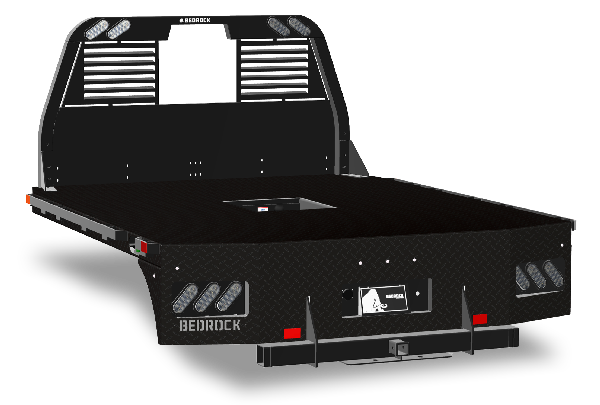
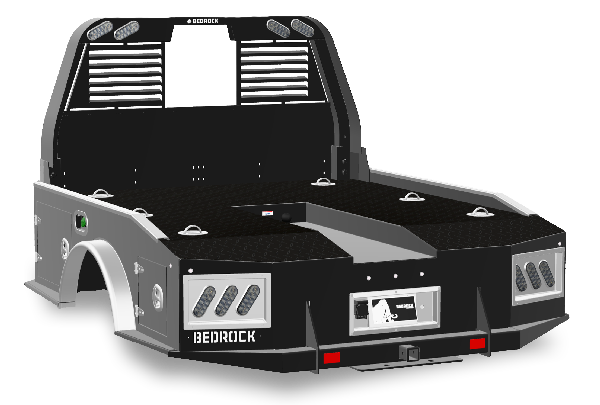
Truck flatbeds come in various materials and designs, each suited for different applications and budgets. Steel flatbeds offer maximum durability for heavy-duty use, aluminum provides lightweight corrosion resistance, and composite materials balance strength with weight savings.
| Flatbed Type | Weight | Durability | Cost Range | Best For |
|---|---|---|---|---|
| Steel Diamond Plate | Heavy | Excellent | $2,500-$4,000 | Heavy commercial use |
| Aluminum | Light | Very Good | $3,000-$5,500 | Daily driving, corrosion resistance |
| Composite | Medium | Good | $2,000-$3,500 | Recreational use |
| Stainless Steel | Heavy | Excellent | $4,000-$7,000 | Food service, marine environments |
When selecting your flatbed, consider your truck's payload capacity, intended use, and local climate conditions. The How to install truck flatbed process varies slightly depending on your chosen material and design.
How Do You Prepare Your Truck Frame for Installation?
Proper frame preparation ensures secure mounting and prevents future issues like loosening or structural damage. Clean mounting surfaces thoroughly, inspect for damage or corrosion, apply rust prevention coating, and verify all mounting holes align properly with your new flatbed.
Frame preparation is critical for long-term reliability:
Cleaning and Inspection
- Wire brush mounting surfaces to remove rust, paint, and debris
- Inspect frame rails for cracks, corrosion, or damage
- Check mounting hole integrity - look for elongated or cracked holes
- Measure frame width and length to verify flatbed compatibility
Surface Treatment
Apply rust-preventive primer to cleaned metal surfaces, especially if you've removed significant rust or paint. This step prevents future corrosion that could compromise mounting integrity.
Alignment Verification
Use a measuring tape to verify:
- Frame rail width matches flatbed specifications
- Mounting holes align with flatbed bracket locations
- Frame is level and square
Any misalignment issues should be addressed before proceeding with installation.
What's the Step-by-Step Installation Process?
The installation process involves positioning the flatbed, aligning mounting brackets, inserting and torquing bolts to specification, connecting electrical systems, and performing comprehensive safety checks before putting the truck into service.
Step 1: Position the Flatbed
With help or mechanical assistance, carefully position the flatbed over the truck frame. Proper positioning is crucial:
- Ensure equal overhang on both sides
- Align rear edge with desired position (typically flush with rear axle centerline)
- Check clearance around wheel wells and exhaust components
- Verify cab clearance for turning and articulation
Step 2: Install Mounting Hardware
Begin with finger-tight installation of all bolts before final torquing:
- Insert bolts through flatbed brackets into frame mounting holes
- Add washers and nuts as specified in installation instructions
- Hand-tighten all connections before torquing any
- Double-check alignment before final tightening
Step 3: Torque to Specification
Proper torque prevents both loosening and over-tightening damage:
- Grade 8 bolts (1/2"): 75-85 ft-lbs
- Grade 8 bolts (9/16"): 95-105 ft-lbs
- Follow manufacturer specifications for your specific flatbed
Torque in a cross pattern to ensure even loading across all mounting points.
Step 4: Electrical Connections
Reconnect all electrical systems:
- Route wiring harnesses safely away from moving parts
- Connect taillight circuits using provided adapters if necessary
- Test all lighting functions before completing installation
- Secure wiring with provided clips or ties
How Do You Connect Electrical Systems Safely?
Electrical connection safety requires understanding your truck's wiring system, using proper connectors, ensuring adequate wire gauge for lighting loads, and protecting connections from moisture and road debris.
Modern trucks use standardized wiring colors, but always verify with a multimeter:
- Brown: Taillights/running lights
- Yellow: Left turn signal
- Green: Right turn signal
- White: Backup lights
- Black: Ground
Connection Best Practices
- Use dielectric grease on all connections to prevent corrosion
- Secure harnesses every 12-18 inches to prevent chafing
- Route wiring away from exhaust and moving suspension components
- Test circuits with multimeter before connecting loads
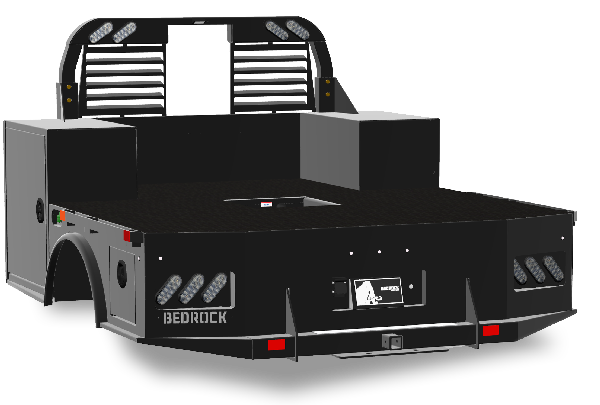
For trucks with advanced lighting systems (LED, computer-controlled), consider the Onyx Flatbed | Bedrock Truck Beds which includes pre-wired lighting systems designed for modern truck integration.
What Safety Considerations Should You Keep in Mind?
Safety during flatbed installation involves proper lifting techniques, secure vehicle support, electrical safety protocols, and thorough post-installation testing. Never work under an improperly supported vehicle, and always verify electrical systems are functioning before road use.
Critical safety protocols include:
During Installation
- Never work under vehicle supported only by jack
- Use proper jack stands rated for your truck's weight
- Wear safety glasses when drilling or grinding
- Keep work area clean to prevent trips and falls
Post-Installation
- Torque check all bolts after 100 miles of driving
- Inspect connections monthly for first six months
- Test lighting systems before each use
- Verify load securement points are properly rated
What Common Mistakes Should You Avoid?
The most frequent installation errors include inadequate frame preparation, incorrect torque specifications, poor electrical connections, and skipping the break-in inspection period. These mistakes can lead to safety hazards, premature wear, or complete system failure.
Avoid these critical errors:
- Skipping frame inspection - Hidden damage can cause catastrophic failure
- Using incorrect hardware - Never substitute fasteners without engineering approval
- Inadequate electrical protection - Unprotected connections will corrode and fail
- Ignoring weight distribution - Improper balance affects handling and safety
- Rushing the process - Take time to double-check all connections
Many installers also forget to account for the weight change when selecting tire pressure and suspension settings for their newly equipped truck.
How Long Does Flatbed Installation Take?
Professional installation typically takes 4-6 hours, while DIY installation may require 6-10 hours depending on experience level and truck complexity. Factor in additional time for electrical modifications, custom mounting requirements, and thorough safety testing.
Timeline breakdown for typical installation:
- Bed removal: 1-2 hours
- Frame preparation: 1-2 hours
- Flatbed positioning and mounting: 2-3 hours
- Electrical connection: 1-2 hours
- Testing and adjustment: 1 hour
First-time installers should plan for the full day and avoid rushing any steps. The Quad Diamond Flatbed | Bedrock Truck Beds includes detailed instructions that can help streamline the process.
What Post-Installation Maintenance Is Required?
Regular maintenance ensures your flatbed installation remains safe and functional throughout its service life. Inspect mounting bolts monthly, check electrical connections quarterly, apply rust prevention annually, and maintain proper load distribution to prevent premature wear.
Monthly Inspections
- Visual inspection of mounting hardware for looseness or damage
- Check electrical functions - all lights and signals
- Inspect flatbed surface for damage or excessive wear
- Verify tie-down points remain secure and undamaged
Quarterly Maintenance
- Torque check all mounting bolts
- Clean and inspect electrical connections
- Lubricate any moving parts (stake pockets, tailgate hinges)
- Touch up paint any scratched or exposed metal
Annual Service
- Complete hardware replacement if showing wear
- Professional electrical inspection for commercial applications
- Rust treatment for steel flatbeds in corrosive environments
- Load capacity verification if usage patterns have changed
Proper maintenance extends flatbed life and ensures continued safe operation under all conditions.
Frequently Asked Questions
Can I install a flatbed myself, or do I need professional help?
Most mechanically inclined individuals can install a flatbed with proper tools and preparation. However, commercial applications or trucks with complex electrical systems may benefit from professional installation to ensure compliance and warranty coverage.
How much weight can I carry on my new flatbed?
Flatbed weight capacity depends on your truck's GVWR, the flatbed's design rating, and proper load distribution. Always stay within your vehicle's manufacturer specifications, typically found on the door jamb sticker.
Will installing a flatbed affect my truck's warranty?
Aftermarket flatbed installation typically doesn't void your truck warranty unless the installation directly causes a covered component failure. Consult your dealer before installation if warranty concerns exist.
Do I need special permits for a flatbed truck?
Standard flatbed installations don't require special permits. However, oversized loads may require permits, and commercial use might need DOT compliance depending on your location and usage.
How often should I retorque the mounting bolts?
Check bolt torque after the first 100 miles, then monthly for the first six months. After the break-in period, quarterly inspections are typically sufficient unless you regularly carry maximum loads.
Can I install a flatbed on any truck model?
Most full-size trucks can accommodate flatbeds, but compact trucks may have limited options. Verify compatibility with your specific make, model, and year before purchasing.
What's the difference between aluminum and steel flatbeds?
Steel flatbeds offer maximum durability and lower cost but add significant weight. Aluminum flatbeds provide excellent corrosion resistance and lighter weight but cost more initially. Choose based on your primary use and climate conditions.
How do I maintain my flatbed in winter conditions?
Winter maintenance includes more frequent washing to remove road salt, regular application of rust preventive treatments, and checking electrical connections for corrosion caused by moisture and deicing chemicals.
Interested in learning more?
Visit our website to explore products, find dealers, and get in touch.
Visit Bedrock Truck Beds →