
How to Choose Truck Flatbed Size: Step‑by‑Step Guide 2026
Discover how to choose the right truck flatbed size in 2026 with our step‑by‑step guide, tips, common mistakes, and a comparison table from Bedrock Truckbeds.
TL;DR: Choosing the right truck flatbed size starts with measuring your typical cargo, checking weight limits, and matching those dimensions to standard flatbed lengths while considering maneuverability and legal restrictions. Follow our step‑by‑step guide, avoid common pitfalls, and use the comparison table to pick the optimal size for 2026.
What size flatbed do I need?
Answer: The ideal flatbed size matches the longest and widest dimensions of your most common load while staying within your truck’s Gross Vehicle Weight Rating (GVWR) and local road restrictions. Typically, commercial flatbeds range from 8 ft to 14 ft, but the exact size depends on cargo shape, weight, and your operational environment.
1️⃣ Measure Your Typical Loads
- Length: Measure the longest item you transport, add 12–18 inches for tie‑down clearance.
- Width: Include any over‑hang; most states allow a maximum width of 102 inches without a permit.
- Height: Ensure clearance under bridges and overhangs; most flatbeds support up to 13 ft.
- Weight: Verify the item’s weight and compare it to the truck’s GVWR and axle ratings.
Pro tip: Keep a spreadsheet of your top five load profiles. Updating it quarterly helps you spot trends before they become costly mismatches.
2️⃣ Check Legal Limits and Permits
Regulations differ by state, but the Federal Motor Carrier Safety Administration (FMCSA) sets the baseline for width and weight. According to the FMCSA size and weight regulations, standard width without a special permit is 102 inches, and the total weight must not exceed the vehicle’s GVWR. In 2026, many states have adopted the Uniform Dimensional Weight (UDW) guidelines, which further restrict oversized loads.
3️⃣ Match Load Dimensions to Standard Flatbed Lengths
| Flatbed Length | Typical Use Cases | Max Load Length (with tie‑down) | Pros | Cons |
|---|---|---|---|---|
| 8 ft | Small construction tools, pallets | 9 ft 6 in | Best fuel economy, tight urban maneuverability | Limited for longer beams or lumber |
| 10 ft | Medium‑size loads, HVAC units | 11 ft 6 in | Good balance of capacity and handling | Slightly higher fuel use |
| 12 ft | Large pallets, prefabricated panels | 13 ft 6 in | Versatile for most contractors | Requires larger parking area |
| 14 ft | Oversized beams, trailers, heavy equipment | 15 ft 6 in | Max capacity for most regional jobs | Highest fuel consumption, may need permits |
4️⃣ Evaluate Maneuverability and Yard Space
A longer flatbed improves capacity but reduces turning radius. If you frequently operate in tight city streets or small job‑site yards, an 8‑10 ft bed may save hours per day. Conversely, a 12‑14 ft bed reduces the number of trips for long loads, cutting labor costs.
5️⃣ Factor in Future Growth
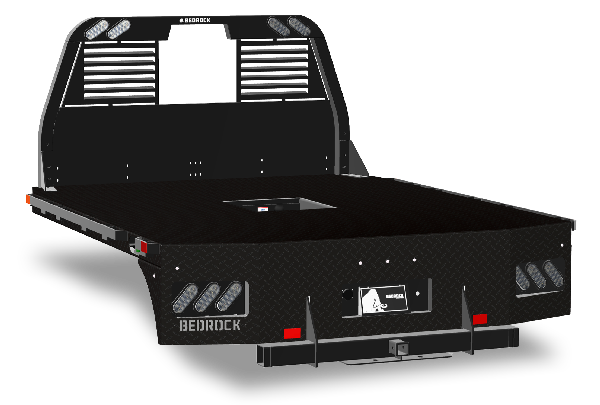
Think five years ahead. If you plan to expand into larger projects, size up now to avoid retrofitting. Bedrock Truckbeds’ Diamond series offers modular extensions that let you add 2 ft sections later without a full replacement.
6️⃣ Review Cost Implications
Flatbed size directly affects purchase price, fuel consumption, and maintenance. An 8‑ft model averages $15,000–$18,000, while a 14‑ft model can exceed $28,000. Fuel usage can differ by up to 15% per 100 miles, according to the American Trucking Associations 2025 fuel efficiency report.
7️⃣ Make the Final Decision with a Checklist
- Have I measured my longest typical load?
- Does the load fit within legal width/height limits?
- Is the weight under my truck’s GVWR?
- Does my worksite allow the required turning radius?
- Will this size support projected business growth?
- Have I compared total cost of ownership (purchase + fuel + maintenance)?
If you answered yes to all, you’ve identified the optimal flatbed size.
Why does flatbed size matter for my business?
Answer: Flatbed size impacts payload efficiency, fuel consumption, and the ability to meet client deadlines. Selecting the wrong size can increase trips, raise operating costs, and even lead to regulatory fines if you exceed legal dimensions.
Impact on Payload Efficiency
A correctly sized flatbed maximizes the load per mile. For example, a contractor moving 10‑ft steel beams will need two trips with an 8‑ft bed but only one with a 12‑ft bed, cutting labor time by roughly 50%.
Fuel and Maintenance Costs
Longer beds add weight and wind resistance. According to the U.S. Department of Energy’s 2026 fuel consumption data, each additional foot of flatbed length can increase fuel usage by 0.7–1.0 gallons per 100 miles.
Regulatory Compliance
Oversized loads require special permits, which cost $150–$500 per trip and add paperwork. Staying within standard dimensions avoids these extra expenses.
How to choose truck flatbed size – a step‑by‑step guide
Answer: Follow the seven‑step framework below to systematically select the flatbed length that aligns with your cargo, budget, and future plans, while staying compliant with 2026 regulations.
Step 1 – List Your Top Five Load Scenarios
Create a table with load name, length, width, height, and weight. Include seasonal peaks and one‑off projects.
Step 2 – Identify the Governing Legal Limits
Check state DOT websites for width/height/weight limits and note any required permits for oversized dimensions.
Step 3 – Compare Loads to Standard Flatbed Lengths
Use the comparison table above to see which flatbed length accommodates the majority of your loads without exceeding limits.
Step 4 – Conduct a Maneuverability Test
If possible, simulate a load on a test vehicle or use a CAD tool to visualize turning radius in your typical jobsite.
Step 5 – Calculate Total Cost of Ownership (TCO)
Add purchase price, estimated fuel cost (based on your average mileage), maintenance, and any potential permit fees.
Step 6 – Review Future Project Pipeline
Talk to your sales team or review your bid calendar to anticipate larger loads in the next 2‑3 years.
Step 7 – Make the Purchase Decision
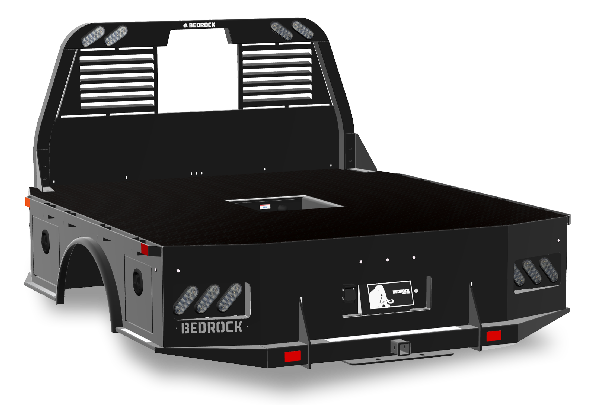
Choose the flatbed that passes the checklist and offers the best TCO. Bedrock Truckbeds’ Diamond series provides a high‑strength steel frame and modular options for future expansion.
How to choose truck flatbed size is a great resource that walks you through the same process, complete with sizing calculators and real‑world case studies.
Common mistakes and how to avoid them
Answer: Most buyers err by focusing on price alone, neglecting load dimensions, or forgetting future growth, leading to costly retrofits or excessive permit fees.
| Mistake | Consequence | Prevention |
|---|---|---|
| Choosing the cheapest flatbed without measuring loads | Frequent overloads, permits, or damage | Perform a full load audit first |
| Ignoring state width/height limits | Fines, delayed deliveries | Review FMCSA and state DOT regs |
| Not accounting for future projects | Need to replace bed early | Use the 5‑year growth checklist |
| Overlooking turning radius | Inability to navigate job sites | Conduct a maneuverability simulation |
| Forgetting to check GVWR compatibility | Over‑stressed axles, safety risk | Verify truck specs against load weight |
Real‑world tip from Bedrock truck operators
“When we upgraded from a 10‑ft to a 12‑ft Diamond bed, we reduced weekly trips by 30 % and saved about $2,400 in fuel per year. The modular extension cost us only $3,200 upfront, paying for itself in under two years.” – Mike R., Regional Fleet Manager, 2026
Frequently Asked Questions
Answer: Below are concise answers to the most common queries about selecting a flatbed size.
1. What is the most common flatbed size for small contractors?
The 8‑ft to 10‑ft range is typical for contractors hauling pallets, HVAC units, and small lumber. It offers the best fuel economy and urban maneuverability.
2. Can I install a longer flatbed on an existing truck?
Yes, many manufacturers, including Bedrock’s Diamond series, offer modular extensions that bolt onto the existing frame, provided the truck’s GVWR can support the added weight.
3. How do I know if I need a permit for a larger flatbed?
If your load exceeds 102 inches in width or 13 ft 6 in in height, most states require a special permit. Check the FMCSA and your state DOT website for exact thresholds.
4. Does a larger flatbed always mean higher fuel costs?
Generally, yes. Each additional foot can increase fuel consumption by roughly 0.7–1.0 gallons per 100 miles, but the net cost may be offset by fewer trips.
5. What maintenance differences exist between an 8‑ft and a 14‑ft flatbed?
Longer beds experience more stress on the frame and suspension, requiring more frequent inspections of welds and axle components. However, Bedrock’s reinforced steel frames reduce the frequency of major repairs.
6. Are there weight‑distribution systems needed for larger flatbeds?
For loads approaching the GVWR, a rear‑swing or air‑ride suspension can help distribute weight evenly and improve ride quality.
7. How often should I re‑evaluate my flatbed size?
Review your load profile annually, or whenever you win a major contract that changes your typical cargo dimensions.
8. Does Bedrock offer financing for larger flatbeds?
Bedrock Truckbeds works with several equipment finance partners to provide competitive leasing options for the Diamond series and other models.
Ready to upgrade? Explore Bedrock’s modular Diamond flatbeds and use our sizing guide to pick the perfect length for your fleet.
Interested in learning more?
Visit our website to explore products, find dealers, and get in touch.
Visit Bedrock Truck Beds →