
How to Choose Truck Flatbed Size: Complete 2026 Guide
Learn how to choose the perfect truck flatbed size for your needs. Our step-by-step guide covers measurements, capacity, regulations, and common mistakes to avoid.
TL;DR: Choose truck flatbed size by measuring your cargo dimensions, checking payload capacity, ensuring regulatory compliance, and matching bed length to your truck's wheelbase and intended use.
How to Choose Truck Flatbed Size: Complete 2026 Guide
Selecting the right flatbed size for your truck is a critical decision that affects your hauling capacity, operational efficiency, and compliance with transportation regulations. Whether you're upgrading from a traditional pickup bed or purchasing your first commercial flatbed, understanding the key factors will ensure you make the best investment for your needs.
What Size Flatbed Do I Need for My Truck?
The ideal flatbed size depends on three primary factors: your truck's specifications, typical cargo dimensions, and intended use. Most flatbeds range from 8 feet to 12 feet in length for pickup trucks, while commercial trucks can accommodate beds up to 20+ feet. Your choice should balance maximum utility with practical handling and legal compliance.
When determining flatbed size, you'll need to consider your truck's wheelbase, gross vehicle weight rating (GVWR), and the types of materials you'll typically transport. A contractor hauling lumber will have different requirements than a landscaper transporting equipment or a rancher moving livestock supplies.
Step 1: Measure Your Current Cargo Requirements
Start by documenting the dimensions and weights of materials you regularly transport. Create a list of your most common loads, including:
- Maximum length, width, and height of typical cargo
- Average weight per load
- Frequency of oversized items
- Special handling requirements (tie-down points, side access)
For construction professionals, this might include 16-foot lumber, steel beams, or construction equipment. Agricultural users often transport hay bales, feed supplies, or farming implements. Understanding your cargo profile helps determine minimum bed dimensions and necessary features.
Keep a cargo log for 2-4 weeks to capture seasonal variations and occasional oversized loads. This data will inform your size decision and help you avoid choosing a bed that's too small for periodic larger items.
Step 2: Understand Standard Flatbed Dimensions
Flatbed sizes follow industry standards but offer customization options. Common pickup truck flatbed dimensions include:
| Bed Length | Width | Typical Use | Truck Compatibility |
|---|---|---|---|
| 8 feet | 6.5-8 feet | Light hauling, personal use | Short bed pickups |
| 9 feet | 6.5-8 feet | Contractor work, medium loads | Standard cab trucks |
| 10 feet | 7-8 feet | Commercial use, equipment transport | Long bed pickups |
| 11-12 feet | 8-8.5 feet | Heavy commercial, construction | Extended cab/chassis |
Width typically ranges from 6.5 to 8.5 feet for pickup trucks, with 8-foot width being most common for commercial applications. Anything over 8.5 feet wide may require special permits and escort vehicles in many states.
How Do I Match Flatbed Size to My Truck's Capacity?
Proper sizing requires balancing bed dimensions with your truck's payload capacity and structural limitations. Your truck's GVWR minus its curb weight equals your maximum payload capacity, which includes the flatbed weight plus cargo.
According to the Federal Motor Carrier Safety Administration, commercial vehicles must comply with weight distribution requirements that affect flatbed sizing decisions. The bed's weight distribution should align with your truck's axle ratings to maintain proper balance and braking performance.
Calculate your effective payload by subtracting the flatbed's weight (typically 400-800 pounds) from your truck's rated capacity. A heavier, larger flatbed reduces available cargo weight but may be necessary for specific applications.
Step 3: Consider Legal and Safety Regulations
Flatbed sizing must comply with Department of Transportation (DOT) regulations regarding vehicle dimensions and weight limits. Key regulations include:
Length Restrictions:
- Most states allow up to 40 feet total vehicle length for single units
- Cargo overhang typically limited to 4 feet beyond the rear axle
- Front overhang usually restricted to 3 feet beyond the front axle
Width and Height Limits:
- Maximum width of 8.5 feet without permits in most states
- Height restrictions vary by state (typically 13.5-14 feet)
- Load securement requirements affect usable bed space
Weight Distribution:
- Proper weight distribution across axles is mandatory
- Bridge formulas determine maximum axle weights
- Overweight permits may be required for specific loads
Consult your state's DOT website for specific regulations, as requirements vary significantly between jurisdictions.
Step 4: Evaluate Wheelbase Compatibility
Your truck's wheelbase directly affects optimal flatbed length. A bed that's too long can create handling problems, while one that's too short wastes your truck's capacity.
Wheelbase-to-Bed Ratios:
- Short wheelbase (119-133 inches): 8-9 foot beds
- Standard wheelbase (133-156 inches): 9-10 foot beds
- Long wheelbase (156+ inches): 10-12 foot beds
Longer beds on shorter wheelbases can cause departure angle problems, making it difficult to navigate steep driveways or loading docks. Conversely, beds that are too short relative to wheelbase may create weight distribution issues.
What Features Should I Consider When Sizing a Flatbed?
Beyond basic dimensions, consider features that affect effective bed size and functionality. These include:
Stake Pockets and Tie-Down Points: Properly spaced mounting points are crucial for load securement. Standard spacing is typically 24 inches on center, but some applications benefit from closer spacing.
Side Rails and Headache Racks: These safety features reduce usable bed width by 2-6 inches but provide essential protection. Budget this space reduction when calculating cargo capacity.
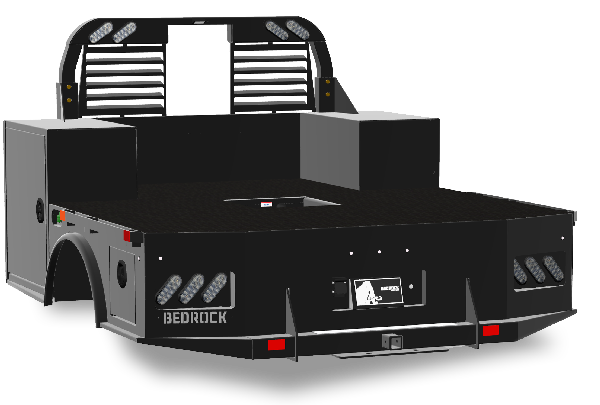
Toolboxes and Storage: Integrated storage reduces bed length but improves organization. A 2-foot toolbox section effectively reduces a 10-foot bed to 8 feet of cargo space.
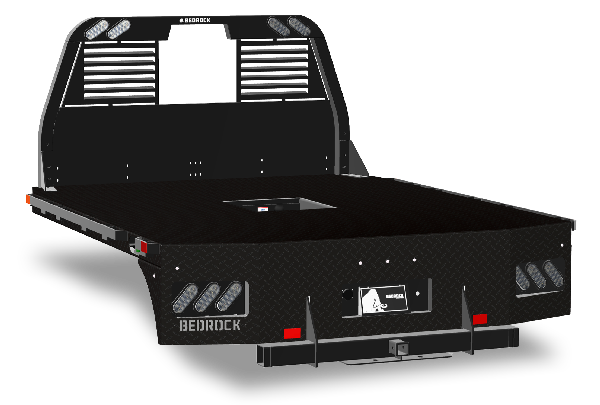
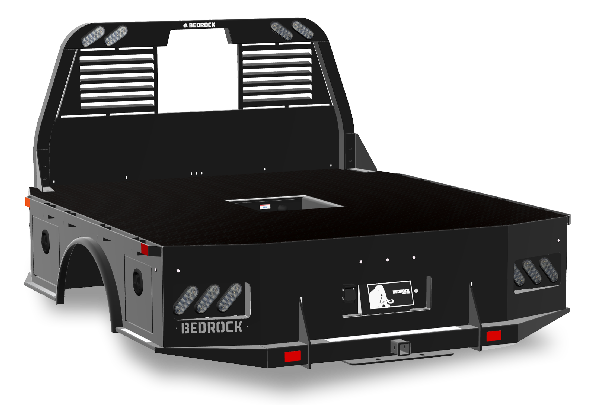
Companies like Bedrock Truckbeds offer various configurations. Their Quad Granite Flatbed provides robust construction with customizable dimensions, while the Slate Flatbed offers a lighter-weight option for moderate-duty applications.
Step 5: Factor in Installation and Maintenance Considerations
Flatbed size affects installation complexity and ongoing maintenance requirements. Larger beds require more substantial mounting hardware and may need additional support structures.
Installation Factors:
- Mounting point spacing and reinforcement requirements
- Electrical connections for lighting (longer beds need more wiring)
- Ground clearance and departure angles
- Access for maintenance and cleaning
Maintenance Considerations:
- Larger surface areas require more frequent cleaning and coating
- Additional tie-down points mean more maintenance items
- Increased complexity in inspection procedures
Common Mistakes to Avoid When Choosing Flatbed Size
Many buyers make sizing errors that limit their truck's effectiveness or create operational problems:
Mistake 1: Choosing Too Small Underesimating cargo dimensions leads to frequent overhangs, safety issues, and permit requirements. Always size for your largest regular loads, not average ones.
Mistake 2: Ignoring Weight Distribution Focusing only on payload capacity without considering axle weight limits can result in illegal or unsafe configurations. Balance bed size with proper weight distribution.
Mistake 3: Overlooking Clearance Issues Excessively long beds can create ground clearance problems in loading areas, parking structures, or steep terrain. Consider your operating environment.
Mistake 4: Forgetting About Maneuverability Longer beds increase turning radius and reduce maneuverability in tight spaces. Urban operators need different sizing than rural users.
Mistake 5: Not Planning for Growth Choosing based solely on current needs without considering business growth or changing requirements often leads to premature replacement needs.
Advanced Sizing Considerations for Specialized Applications
Certain industries have specific sizing requirements that go beyond standard calculations:
Construction and Contracting: Lumber dimensions drive bed length requirements. Standard construction lumber comes in 8, 10, 12, 16, and 20-foot lengths. Plan bed size around your most common lumber sizes to minimize overhang.
Agriculture and Ranching: Feed delivery, equipment transport, and seasonal hauling create varying size requirements. Consider modular systems that allow bed length adjustment for different seasons.
Landscaping and Lawn Care: Bulky, lightweight materials like mulch and leaves require maximum volume rather than weight capacity. Wider beds with side extensions may be more valuable than longer beds.
Equipment Hauling: Specialized equipment dimensions should drive sizing decisions. Measure your most valuable equipment pieces and size accordingly.
Cost Considerations in Flatbed Sizing
Larger flatbeds cost more initially and throughout their service life. Consider these financial factors:
| Size Category | Initial Cost Range | Annual Maintenance | Fuel Impact |
|---|---|---|---|
| 8-9 foot beds | $3,000-$5,000 | $200-$400 | Minimal |
| 10-11 foot beds | $5,000-$7,500 | $400-$600 | 1-2% increase |
| 12+ foot beds | $7,500-$12,000 | $600-$1,000 | 2-4% increase |
Larger beds also affect resale value and insurance costs. However, the productivity gains from proper sizing often offset these additional costs through improved efficiency and reduced trips.
Future-Proofing Your Flatbed Size Decision
Consider trends and changes that might affect your sizing needs over time:
Business Growth: Plan for reasonable expansion in cargo volume and size requirements. A slightly larger bed now may eliminate the need for replacement as your business grows.
Regulatory Changes: Transportation regulations continue evolving, particularly regarding weight distribution and environmental concerns. Choose sizes that provide flexibility for compliance.
Technology Integration: Newer flatbeds incorporate technology for load monitoring, GPS tracking, and automated tie-down systems. Ensure your size choice accommodates future upgrades.
Sustainability Considerations: Optimal sizing reduces the need for multiple trips, improving fuel efficiency and reducing environmental impact. This consideration becomes increasingly important for commercial operators.
Making Your Final Size Decision
After evaluating all factors, use this decision framework:
- List your top 5 most common cargo types with dimensions
- Verify your truck's payload and dimensional capabilities
- Check local and state regulations for your intended use
- Calculate total cost of ownership for different size options
- Consider future needs and potential business changes
- Consult with flatbed manufacturers about custom options
For professional-grade solutions, consider exploring comprehensive options like those available at Bedrock Truckbeds, where you can find detailed specifications and customization options for various sizing needs.
Professional Installation and Setup
Once you've determined the correct size, professional installation ensures optimal performance and safety. Proper mounting, electrical connections, and initial setup are crucial for long-term satisfaction.
Reputable manufacturers provide installation support and warranty coverage that protects your investment. DIY installation of larger flatbeds can be challenging and may void warranties or create safety issues.
FAQ: Truck Flatbed Sizing
Q: What's the most common flatbed size for pickup trucks? A: The most common size is 8.5 feet long by 8 feet wide, which fits most full-size pickup trucks and handles typical construction and commercial loads.
Q: Can I put a longer flatbed on my truck than the original bed? A: Yes, but you must consider wheelbase, departure angles, weight distribution, and local regulations. Consult with a professional installer for safety and compliance.
Q: How much weight does a flatbed add to my truck? A: Flatbeds typically weigh 400-800 pounds depending on size and construction. Steel beds are heavier than aluminum, but offer greater durability for heavy-duty use.
Q: Do I need special permits for oversized flatbeds? A: Permits are typically required for beds over 8.5 feet wide or when cargo exceeds dimensional limits. Requirements vary by state and intended use.
Q: Can I customize my flatbed size after purchase? A: Most quality flatbeds can be modified for length extensions, additional tie-down points, or accessory mounting. Modifications should be done by qualified professionals.
Q: How do I measure my truck for flatbed sizing? A: Measure from the back of the cab to the end of the frame, check your wheelbase specification, and verify your truck's payload capacity. Professional measurement ensures accuracy.
Q: What's the difference between short bed and long bed flatbed sizing? A: Short bed trucks (6-6.5 foot original beds) typically accommodate 8-9 foot flatbeds, while long bed trucks (8 foot original beds) can handle 10-12 foot flatbeds comfortably.
Q: Should I choose the largest flatbed my truck can handle? A: Not necessarily. Choose based on your actual cargo needs, operating environment, and budget. Larger isn't always better if it compromises maneuverability or exceeds your typical requirements.
Interested in learning more?
Visit our website to explore products, find dealers, and get in touch.
Visit Bedrock Truck Beds →