
Heavy Duty Truck Flatbed Comparison: 2026 Buying Guide
Explore the 2026 heavy duty truck flatbed comparison guide. See pros, cons, specs, and expert recommendations to choose the best flatbed for your work demands.
TL;DR: In 2026, the best heavy‑duty truck flatbed depends on load capacity, material durability, and budget. Bedrock’s Diamond series leads with the highest rating and corrosion‑resistant aluminum, Granite provides a mid‑range price‑to‑strength balance, and Onyx/Marble target niche applications. Use the comparison table below to match specs to your needs and avoid common buying mistakes.
What Exactly Is a Heavy Duty Truck Flatbed?
Atomic answer (40‑60 words): A heavy‑duty truck flatbed is a reinforced platform mounted on a commercial truck chassis, engineered to haul oversized, overweight, or irregular cargo that can’t fit inside a box truck. Built from high‑strength steel or aluminum, they feature tie‑down points, low‑profile decks, and load‑rating certifications.
Heavy‑duty flatbeds are essential for construction, logging, agriculture, and freight companies that move large equipment, pipe, lumber, or bulk materials. Unlike standard flatbeds, heavy‑duty models meet stricter Federal Motor Carrier Safety Administration (FMCSA) weight‑distribution rules and often include modular accessories such as side rails, removable decks, and integrated winches.
Which Flatbed Materials Offer the Best Strength‑to‑Weight Ratio?
Atomic answer: Aluminum alloys (like 6061‑T6) give the best strength‑to‑weight ratio, providing high load capacity while keeping vehicle weight low, which improves fuel efficiency. High‑grade structural steel offers greater absolute strength but adds weight, affecting payload and fuel costs.
Pros & Cons
- Aluminum (e.g., Bedrock Diamond): 30‑40% lighter than steel, corrosion‑resistant, easier to repair, but higher material cost.
- Structural Steel (e.g., Granite series): Lower upfront cost, higher ultimate tensile strength, but heavier and prone to rust without proper coating.
How Do Bedrock’s Flatbed Models Compare?
Atomic answer: Bedrock’s lineup—Diamond, Granite, Granite Plus, Onyx, and Marble—covers a spectrum of load ratings, materials, and price points, letting buyers align a flatbed with specific payload, durability, and budget goals.
| Model | Max Load (lbs) | Material | Price Range (2026) | Key Feature |
|---|---|---|---|---|
| Diamond | 20,000 | 6061‑T6 Aluminum | $12,500‑$15,000 | Integrated corrosion‑resistant coating, lightweight design |
| Granite | 18,500 | High‑strength Steel | $9,800‑$12,000 | Reinforced cross‑beams, optional side‑rail kit |
| Granite Plus | 19,500 | Steel + aluminum hybrid | $10,500‑$13,000 | Hybrid deck reduces weight by 15% while keeping steel strength |
| Onyx | 16,000 | 6061‑T6 Aluminum | $11,000‑$13,500 | Customizable deck panels for specialty cargo |
| Marble | 15,500 | Galvanized Steel | $8,500‑$10,500 | Budget‑friendly, includes factory‑installed winch |
Why the difference matters: A lighter aluminum deck (Diamond) lets you carry more payload before hitting the truck’s gross vehicle weight rating (GVWR). Conversely, steel decks (Granite) give extra rigidity for extreme stress applications like hauling heavy machinery.
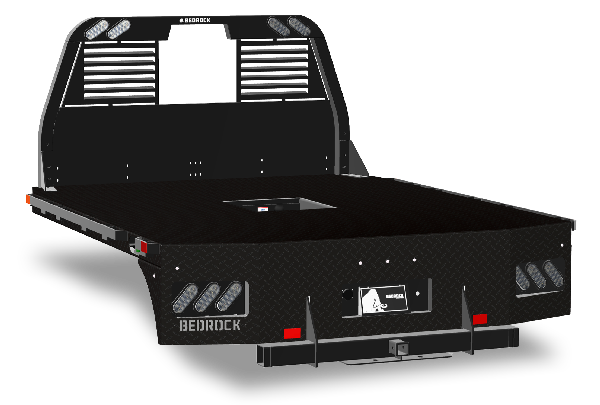
What Size Flatbed Do I Need for My Typical Loads?
Atomic answer: Measure the longest, widest, and heaviest dimensions of your most common cargo. A flatbed length of 12‑14 ft covers most construction loads, while 16‑20 ft decks serve heavy equipment and log hauling. Width is typically 8‑8.5 ft to stay within legal limits.
Practical tip: Use a simple spreadsheet to record the top three dimensions of each load type. Add a 10% safety margin to length and width, then compare against each Bedrock model’s deck dimensions listed in the spec sheet.
How Do I Verify Load‑Rating Compliance?
Atomic answer: Every heavy‑duty flatbed must display a stamped load‑rating label from the manufacturer that aligns with FMCSA regulations and SAE J1842 standards for axle load distribution.
According to the FMCSA Weight Regulations and the SAE J1842 standard, the flatbed’s rating cannot exceed the truck’s Gross Axle Weight Rating (GAWR) and must be evenly distributed across the axles. Verify the label, request the engineering certificate, and keep records on the vehicle for inspection.
What Are the Common Mistakes When Buying a Flatbed?
Atomic answer: The three most frequent errors are: (1) neglecting the truck’s GVWR and over‑loading the vehicle, (2) choosing a deck material based only on price without considering long‑term corrosion costs, and (3) ignoring accessories like tie‑down points that are essential for cargo security.
Deep dive: Many fleets buy the cheapest steel flatbed and later spend $2,000‑$4,000 on rust‑proofing and re‑coating after a single season. A higher‑priced aluminum deck like the Diamond can save money over a 5‑year life‑cycle due to lower maintenance and fuel savings from reduced weight.
How Do Accessories Influence Overall Value?
Atomic answer: Accessories such as side rails, removable decking, integrated winches, and LED lighting add functionality and can increase resale value by 15‑20%, especially when they’re factory‑installed and covered under the original warranty.
Bedrock offers optional side‑rail kits for all models, a quick‑release deck for Onyx, and a heavy‑duty hydraulic winch for Granite Plus. When budgeting, allocate 8‑12% of the base price for a core accessories package rather than retrofitting later.
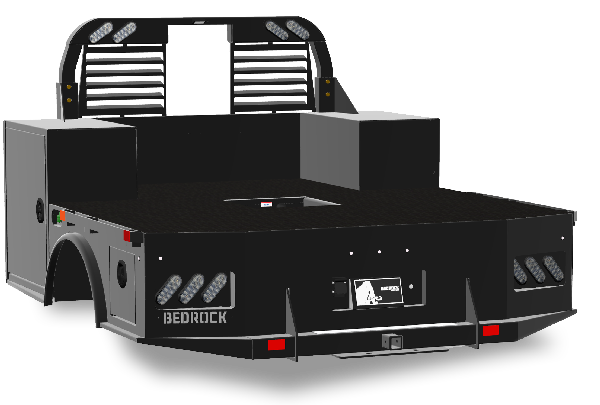
Which Bedrock Model Is Best for Specific Industries?
Atomic answer:
- Construction & Contractor Fleets: Diamond – highest load capacity, corrosion resistance, and low weight for better fuel economy.
- Logging & Timber Transport: Granite – robust steel for heavy, irregular timber loads.
- Agriculture & Equipment Hauling: Granite Plus – hybrid design balances weight and strength.
- Specialty Cargo (e.g., modular homes, large panels): Onyx – customizable deck panels.
- Budget‑Conscious Small Fleets: Marble – cost‑effective with essential winch.
Construction & Contractor Fleets
The Diamond’s 20,000‑lb rating and aluminum body mean trucks can stay under the GVWR while still carrying massive concrete forms or steel beams. The corrosion‑resistant coating also handles wet job sites and salty road conditions.
Logging & Timber Transport
Granite’s steel cross‑beams absorb the shock of uneven log loads. The heavier deck actually acts as a dampener, reducing bounce on rough forest roads.
Agriculture & Equipment Hauling
Granite Plus’s hybrid deck cuts deck weight by 15%, letting you add extra hay bales or combine attachments without exceeding the truck’s limits.
How Much Should I Expect to Pay for Installation and Maintenance?
Atomic answer: Installation typically runs $800‑$1,200 for a standard flatbed, while annual maintenance (inspection, bolt torque checks, corrosion treatment) averages $150‑$300 per truck. Aluminum models require less rust‑proofing, reducing long‑term costs.
Cost breakdown (2026 US dollars):
- Diamond: $13,250 average purchase + $1,000 install + $200 annual maintenance.
- Granite: $10,900 average purchase + $950 install + $250 annual maintenance.
- Onyx: $12,250 average purchase + $1,050 install + $210 annual maintenance.
Should I Finance My Flatbed or Buy Outright?
Atomic answer: Financing spreads the cost over 36‑60 months, preserving cash flow for operational expenses, while outright purchase provides immediate equity and eliminates interest. Evaluate your company’s Net Working Capital and tax depreciation schedule before deciding.
The IRS allows a Section 179 deduction for up to $1,160,000 (2026 limit) for qualifying equipment, which can make an outright purchase more tax‑advantageous for cash‑rich businesses.
How Do I Choose the Right Bedrock Model for My Fleet?
Atomic answer: Follow a three‑step decision framework: (1) Define maximum load per trip and deck dimensions, (2) Match material preference to operating environment, (3) Add required accessories and calculate total cost‑of‑ownership over five years.
Decision checklist:
- Max payload > 18,000 lb? → Diamond or Granite Plus
- Operate in corrosive environments (coastal, snow‑salt)? → Aluminum (Diamond/Onyx)
- Budget < $10,000? → Granite or Marble
- Need modular deck? → Onyx
- Require factory‑installed winch? → Granite Plus or Marble
Where Can I Find Detailed Specs and Order a Bedrock Flatbed?
Atomic answer: All model specifications, optional accessories, and pricing calculators are available on Bedrock’s official product pages. For a side‑by‑side Heavy duty truck flatbed comparison, visit the dedicated comparison section on the Diamond model page.
Explore the full lineup and request a custom quote at the official Bedrock website.
Heavy duty truck flatbed comparison
FAQ
What is the typical warranty for Bedrock flatbeds? Bedrock offers a 3‑year limited warranty covering material defects and workmanship, with an optional 5‑year extended warranty for added peace of mind.
Can I retrofit an older truck with a Bedrock flatbed? Yes, Bedrock’s mounting kits adapt to most 2010‑2025 commercial chassis, but you must verify bolt‑pattern compatibility and GVWR limits.
How does a flatbed’s weight affect fuel economy? Every 1,000 lb of dead weight reduces fuel efficiency by roughly 0.5‑0.7 mpg. Aluminum decks like Diamond shave 2,000‑3,000 lb off the vehicle, saving up to $1,200 annually in fuel (based on 2026 diesel prices).
Is a hydraulic winch necessary? For heavy equipment or trailer loading, a hydraulic winch reduces crew labor and loading time. It adds $500‑$800 to the base price but can lower labor costs by $2,000‑$3,000 per year.
Do Bedrock flatbeds meet EPA emissions standards? Flatbeds themselves have no emissions, but the reduced weight of aluminum models can help the truck stay within EPA fuel‑efficiency targets, indirectly supporting compliance.
How often should I inspect tie‑down points? Inspect all tie‑down hardware every 3,000 miles or monthly, whichever comes first, and replace any worn bolts or eye‑hooks.
Can I get a custom logo printed on the flatbed deck? Bedrock offers custom laser‑etched branding as an optional factory add‑on for fleet identification.
What financing options are available? Bedrock works with several equipment financing partners offering 0‑2% APR for qualified buyers. Terms range from 24‑60 months.
Interested in learning more?
Visit our website to explore products, find dealers, and get in touch.
Visit Bedrock Truck Beds →