
Heavy Duty Truck Flatbed Comparison: 7 Key Factors Guide
Compare heavy duty truck flatbeds with our comprehensive 7-factor guide. Load capacity, materials, pricing & features analyzed to help you choose the right flatbed.
TL;DR: Heavy duty truck flatbed selection depends on load capacity, material construction, size requirements, mounting compatibility, pricing, and intended use. Compare aluminum vs steel options and evaluate weight ratings against your hauling needs.
Heavy Duty Truck Flatbed Comparison: 7 Key Factors to Consider in 2026
Selecting the right heavy duty truck flatbed can make or break your commercial operation. With payload capacities, material options, and feature sets varying dramatically across manufacturers, making an informed decision requires careful evaluation of multiple factors.
This comprehensive guide breaks down the seven most critical factors in any heavy duty truck flatbed comparison, helping you identify the optimal solution for your specific hauling requirements.
What Load Capacity Do You Actually Need?
Load capacity determines your flatbed's earning potential and operational limits. Most heavy duty truck flatbeds range from 3,000 to 40,000+ pounds, but selecting the right capacity involves more than choosing the highest number available.
Your payload requirements depend on several variables:
- Gross Vehicle Weight Rating (GVWR) of your truck chassis
- Typical cargo weight you'll be hauling
- Distribution requirements for your load types
- Future growth in your hauling needs
According to the Federal Motor Carrier Safety Administration, commercial vehicles must comply with weight limits that vary by axle configuration and state regulations. Always verify your truck's actual payload capacity by subtracting the flatbed weight from your GVWR.
Common Load Capacity Categories
| Truck Class | Typical GVWR | Flatbed Capacity Range | Best Applications |
|---|---|---|---|
| Class 3-5 | 10,001-19,500 lbs | 3,000-8,000 lbs | Landscaping, small equipment |
| Class 6-7 | 19,501-33,000 lbs | 8,000-15,000 lbs | Construction materials, machinery |
| Class 8 | 33,001+ lbs | 15,000-40,000+ lbs | Heavy equipment, freight |
Pro Tip: Always leave a 10-15% capacity buffer for unexpected load variations and ensure you're not exceeding your truck's suspension limits.
Which Materials Offer the Best Durability?
Material selection directly impacts your flatbed's longevity, maintenance costs, and resale value. The three primary materials dominating the heavy duty market each offer distinct advantages.
Steel Flatbeds
Steel remains the workhorse of heavy duty applications, offering exceptional strength-to-cost ratios. Most steel flatbeds use high-strength steel alloys that provide:
- Superior load capacity for extreme weights
- Excellent durability against impact damage
- Lower initial costs compared to aluminum
- Easy repairability at most welding shops
However, steel requires regular maintenance to prevent corrosion, especially in salt-exposed environments.
Aluminum Flatbeds
Aluminum has gained significant traction in commercial applications due to weight savings and corrosion resistance. Benefits include:
- 30-40% lighter than equivalent steel beds
- Excellent corrosion resistance without coating
- Higher payload potential due to reduced tare weight
- Better fuel economy from reduced overall weight
Composite Materials
Emerging composite options combine materials for specific performance characteristics, though they remain less common in heavy duty applications due to cost considerations.
How Do Size and Configuration Impact Performance?
Flatbed dimensions must match both your truck chassis and cargo requirements. Standard configurations vary significantly, and custom sizing often adds substantial cost and lead time.
Standard Bed Lengths
- 8-foot beds: Compact trucks, urban delivery
- 9-foot beds: Mid-size commercial applications
- 12-foot beds: Full-size trucks, construction
- 14+ foot beds: Heavy duty chassis, specialized hauling
Width Considerations
Most flatbeds range from 84-96 inches wide, with width selection depending on:
- DOT regulations for your operating region
- Load securement requirements
- Clearance needs for typical routes
Common Mistake: Many operators choose oversized beds thinking bigger is always better, but excessive dimensions can limit route options and increase permit requirements.
What Mounting Systems Work Best?
Mounting compatibility determines installation complexity and long-term reliability. The two primary mounting styles serve different applications and truck configurations.
Frame Rail Mounting
Frame rail systems bolt directly to your truck's chassis rails, offering:
- Maximum stability for heavy loads
- Lower installation costs with standard tooling
- Better weight distribution across the chassis
- Compatibility with most truck models
Subframe Mounting
Subframe systems use an intermediate mounting structure, providing:
- Easier bed removal for maintenance
- Better vibration isolation for sensitive cargo
- Flexibility for multiple bed configurations
- Higher initial costs due to subframe complexity
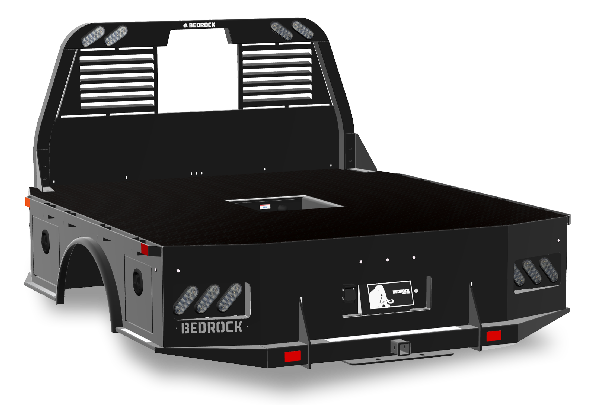
The Quad Granite Flatbed | Bedrock Truck Beds exemplifies advanced mounting engineering, combining stability with serviceability.
How Much Should You Budget for Quality?
Pricing varies dramatically based on materials, features, and manufacturing quality. Understanding the total cost of ownership helps justify initial investments.
Entry-Level Options ($3,000-$8,000)
- Basic steel construction
- Standard mounting hardware
- Minimal additional features
- Suitable for light commercial use
Mid-Range Solutions ($8,000-$15,000)
- Higher-grade materials
- Enhanced mounting systems
- Additional tie-down points
- Better corrosion protection
Premium Systems ($15,000-$30,000+)
- Advanced materials and engineering
- Custom configurations available
- Comprehensive warranty coverage
- Optimized for heavy commercial use
Investment Tip: Calculate the cost per year over your expected ownership period. A $20,000 bed lasting 15 years costs less annually than a $10,000 bed requiring replacement in 7 years.
What Features Actually Add Value?
Feature selection should align with your operational needs rather than following a "more is better" approach. Focus on features that directly impact your daily operations.
Essential Features
- Adequate tie-down points for your cargo types
- Side rails or stakes for load containment
- Proper lighting meeting DOT requirements
- Quality deck surface appropriate for your loads
Valuable Upgrades
- Integrated toolboxes for equipment storage
- Hydraulic or electric accessories for specialized loads
- Custom stake pockets for specific applications
- Enhanced corrosion protection for harsh environments
Questionable Add-Ons
- Excessive lighting beyond DOT requirements
- Decorative elements that don't improve function
- Over-engineered accessories for basic hauling needs
Which Brands Deliver Consistent Quality?
Brand reputation reflects long-term reliability and support quality. Established manufacturers typically offer better warranty coverage and parts availability.
Evaluation Criteria
When comparing manufacturers, consider:
- Years in business and market presence
- Warranty terms and coverage details
- Dealer network for service and support
- Customer testimonials from similar operations
- Parts availability for future maintenance
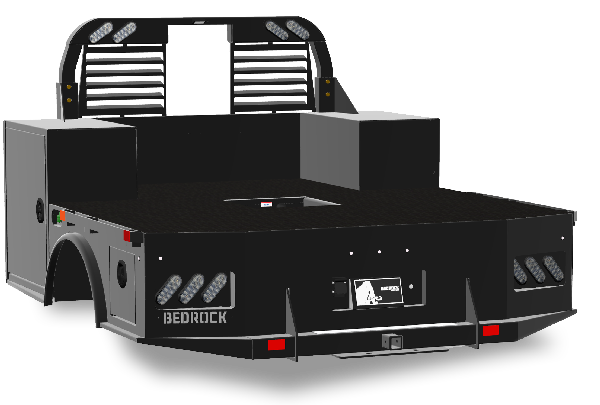
Established companies like Bedrock Truckbeds have built reputations through consistent quality and comprehensive support networks, making them safer long-term investments.
Red Flags to Avoid
- Unusually low pricing without clear explanations
- Limited warranty coverage or unclear terms
- No local dealer network for service support
- Poor online reviews from verified customers
- Pressure tactics during the sales process
What Installation and Maintenance Requirements Should You Expect?
Installation complexity and ongoing maintenance requirements significantly impact your total cost of ownership and operational efficiency.
Most quality flatbeds require professional installation to ensure proper mounting and DOT compliance. Installation typically takes 4-8 hours depending on complexity and any required modifications to your truck.
Maintenance Schedule Recommendations
Monthly Inspections:
- Check mounting bolt torque specifications
- Inspect tie-down points for wear or damage
- Verify lighting system functionality
- Examine deck surface for damage or excessive wear
Annual Maintenance:
- Professional inspection of mounting systems
- Corrosion protection renewal if applicable
- Replacement of worn hardware or accessories
- Documentation for warranty compliance
What Most People Get Wrong: Many operators skip regular maintenance thinking flatbeds are "maintenance-free." Consistent inspections prevent small issues from becoming major problems and extend operational life significantly.
Making Your Final Decision: A Practical Framework
Use this decision framework to systematically evaluate your options:
Step 1: Define Requirements
- Maximum load capacity needed
- Typical cargo dimensions and types
- Operating environment conditions
- Budget range including installation
Step 2: Research Options
- Compare specifications across 3-5 manufacturers
- Request detailed quotes including all costs
- Contact references from similar operations
- Evaluate warranty and support offerings
Step 3: Total Cost Analysis
- Calculate cost per year over expected ownership
- Factor in maintenance and operating costs
- Consider resale value implications
- Account for productivity gains from better equipment
Step 4: Make the Purchase
- Verify all specifications in writing
- Confirm installation timeline and requirements
- Understand warranty terms and claim procedures
- Plan for delivery and installation logistics
Frequently Asked Questions
What's the difference between aluminum and steel flatbeds for heavy duty use?
Aluminum flatbeds are 30-40% lighter than steel, offering better payload capacity and fuel economy, while steel provides superior strength and lower initial costs. Choose aluminum for weight-sensitive applications and steel for maximum durability and value.
How do I determine the right flatbed size for my truck?
Measure your truck's frame rail dimensions and consider your typical cargo sizes. Standard lengths range from 8-14+ feet, with width typically 84-96 inches. Ensure your choice complies with DOT regulations for your operating area.
Can I install a heavy duty flatbed myself?
While possible, professional installation is recommended to ensure proper mounting, DOT compliance, and warranty coverage. Installation typically requires specialized tools and knowledge of chassis specifications.
What load capacity should I choose for my flatbed?
Select capacity based on your truck's GVWR minus the flatbed weight, leaving a 10-15% safety buffer. Consider your typical cargo weights and potential future needs, but avoid over-specifying which increases costs unnecessarily.
How long do heavy duty truck flatbeds typically last?
Quality flatbeds last 10-15+ years with proper maintenance. Lifespan depends on usage intensity, maintenance quality, operating environment, and initial construction quality.
What maintenance does a heavy duty flatbed require?
Monthly inspections of mounting bolts, tie-down points, and lighting systems, plus annual professional inspections and corrosion protection renewal. Regular maintenance prevents major issues and extends operational life.
Are custom flatbeds worth the extra cost?
Custom features are worthwhile if they solve specific operational challenges or improve productivity. Avoid customization for appearance alone, as it increases costs and may reduce resale value.
What warranty should I expect on a heavy duty flatbed?
Quality manufacturers offer 3-5 year structural warranties with 1-2 years on components and accessories. Verify warranty terms include both materials and workmanship, with clear claim procedures and local service availability.
Interested in learning more?
Visit our website to explore products, find dealers, and get in touch.
Visit Bedrock Truck Beds →