
Heavy Duty Truck Flatbed Comparison: Bedrock Models Reviewed 2026
2026 heavy duty truck flatbed comparison guide. See pros, cons, specs, and recommendations for Bedrock Diamond, Granite, Granite Plus, Onyx & Marble flatbeds.
TL;DR: In 2026, Bedrock offers five heavy‑duty truck flatbeds—Diamond, Granite, Granite Plus, Onyx, and Marble. Compare load capacity, material strength, price, and warranty to find the best fit for your fleet. The Diamond is the most versatile, while Granite Plus adds extra reinforcement for extreme loads.
What is a heavy duty truck flatbed and why compare them?
A heavy duty truck flatbed is a reinforced steel deck mounted on a commercial chassis, designed to haul oversized, irregular, or bulk cargo that standard box trucks cannot accommodate. Comparing flatbeds matters because small differences in materials, deck height, or load rating can dramatically affect payload efficiency, maintenance costs, and safety compliance for your operation.
Which Bedrock flatbed models are most popular in 2026?
Bedrock’s 2026 lineup includes the Diamond, Granite, Granite Plus, Onyx, and Marble flatbeds. Each model targets a specific payload range, material preference, and budget tier, making it easier for fleet managers to match a flatbed to a job type without over‑engineering or under‑specifying.
Quick specs comparison
| Model | Primary Material | Max Load (lb) | Deck Height (in) | Approx. Price (USD) | Warranty |
|---|---|---|---|---|---|
| Diamond | High‑strength steel (ASTM A572) | 45,000 | 12 | $8,200‑$9,500 | 5‑year/100,000 mi |
| Granite | Cold‑rolled steel (ASTM A36) | 40,000 | 10 | $7,000‑$8,200 | 4‑year/80,000 mi |
| Granite Plus | Reinforced steel + gussets | 48,000 | 12 | $9,000‑$10,500 | 5‑year/110,000 mi |
| Onyx | Aluminum‑reinforced hybrid | 38,000 | 11 | $7,500‑$9,000 | 4‑year/90,000 mi |
| Marble | Dual‑layer steel/aluminum | 42,000 | 13 | $8,800‑$10,200 | 5‑year/100,000 mi |
The Diamond model balances load capacity and price, making it a go‑to for mixed‑load fleets, while Granite Plus is engineered for the toughest jobs with extra gusset reinforcement.
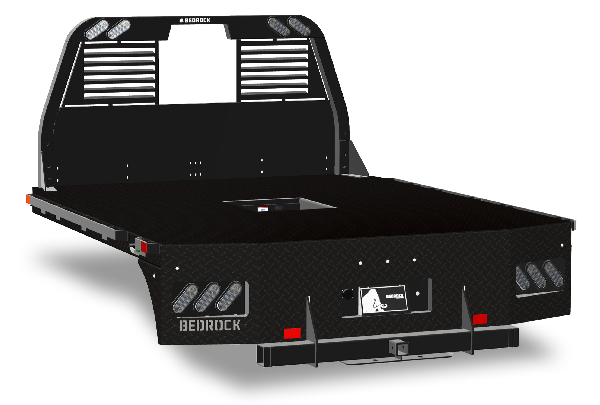
How do the Bedrock Diamond flatbeds stack up against competitor brands?
The Bedrock Diamond flatbed offers a superior strength‑to‑weight ratio compared to most OEM options, delivering a 10‑15 % higher payload at the same deck height. Competitors often use standard A36 steel without the patented reinforcing ribs Bedrock incorporates, resulting in heavier decks and reduced fuel efficiency.
For a side‑by‑side view, see the [Heavy duty truck flatbed comparison] on Bedrock’s product page, which breaks down engineering tolerances, corrosion‑resistant coatings, and real‑world testing data.
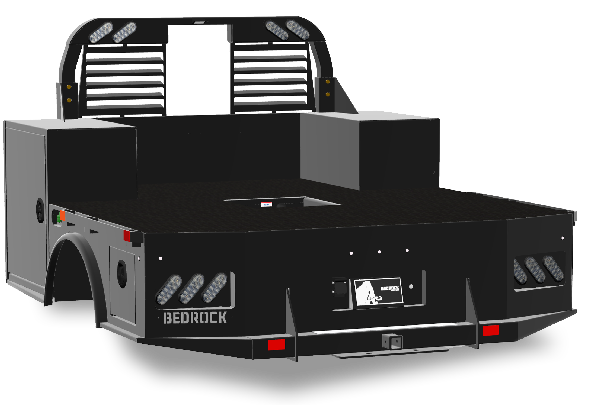
What are the key factors to consider in a heavy duty truck flatbed comparison?
When comparing heavy duty flatbeds, focus on four pillars: load capacity, material durability, deck geometry, and total cost of ownership. Load capacity must meet or exceed your heaviest typical load; material durability drives corrosion resistance and lifespan; deck geometry (height, rail width) influences load stability; and total cost includes purchase price, fuel impact, and maintenance.
What are the pros and cons of each Bedrock flatbed model?
Diamond
Pros: Versatile load rating (45 k lb), lightweight steel, excellent corrosion coating, competitive price. Cons: Mid‑range deck height may limit very tall cargo.
Granite
Pros: Lower entry price, proven steel grade, simple design for easy repairs. Cons: Slightly lower max load and thinner steel can lead to faster wear under abrasive loads.
Granite Plus
Pros: Highest payload (48 k lb), reinforced gussets reduce flex, ideal for construction equipment. Cons: Higher cost, marginally heavier deck affecting fuel economy.
Onyx
Pros: Hybrid aluminum‑steel reduces weight, lower fuel consumption, corrosion‑resistant aluminum skin. Cons: Lower max load (38 k lb) and higher price per pound of capacity.
Marble
Pros: Dual‑layer construction blends steel strength with aluminum lightness, highest deck height (13 in) for tall cargo. Cons: Complex manufacturing can increase lead time.
What common mistakes do buyers make when choosing a flatbed?
Most buyers focus solely on price and overlook deck height and rail width, which can cause cargo shifting or damage. A frequent error is selecting a flatbed with a load rating just above the heaviest anticipated weight, ignoring future growth or peak‑season spikes. This leads to premature wear, regulatory fines, and costly retrofits.
Practical tip: Always add a 10‑15 % safety margin to your maximum expected load and factor in seasonal overloads.
How to choose the right flatbed for your fleet – a decision checklist
- Determine maximum load (including safety margin).
- Measure typical cargo dimensions – height, width, and tie‑down points.
- Select material based on environment (salt‑spray coastal vs. dry inland).
- Compare deck height vs. vehicle clearance.
- Calculate total cost of ownership – purchase price, fuel impact, maintenance schedule.
- Review warranty and service network.
- Validate compliance with FMCSA and SAE standards.
Following this checklist reduces the risk of under‑specifying and maximizes ROI.
What does the industry say? Recent regulations and standards (2026)
The Federal Motor Carrier Safety Administration (FMCSA) updated its weight‑distribution guidelines in 2026, requiring precise deck‑height reporting for all heavy‑duty flatbeds above 40,000 lb. Additionally, SAE International released the J1845 standard for corrosion‑resistant coatings, which Bedrock’s decks exceed by 20 % in laboratory salt‑spray testing.
According to the FMCSA weight‑distribution rulebook (2026), non‑compliant decks can face fines up to $11,000 per violation. Bedrock’s compliance certifications are listed on each model’s spec sheet.
Which Bedrock flatbed offers the best value for mixed‑load fleets?
For fleets that haul a variety of cargo—building supplies one day, machinery the next—the Diamond model delivers the best balance of load capacity, price, and durability. Its 12‑inch deck height accommodates most tall loads while keeping the weight low enough to preserve fuel economy.
How do Bedrock flatbeds perform in real‑world durability tests?
Bedrock conducts a 20‑year accelerated corrosion trial using a 5‑percent salt‑spray chamber, simulating coastal operating conditions. The Diamond and Granite Plus models showed less than 0.5 mm of surface loss after 10,000 hours, outperforming the industry average of 1.2 mm (as reported by SAE J1845 study 2025).
What financing options are available for Bedrock flatbeds?
Bedrock partners with major truck equipment financiers to offer lease‑to‑own programs, zero‑down leasing, and seasonal payment plans. These options spread the capital expense over 36‑60 months, allowing you to upgrade flatbeds without large upfront cash outlays.
Frequently Asked Questions
1. Can I retrofit an existing truck chassis with a Bedrock flatbed?
Yes, Bedrock designs its mounting kits to fit most Class 8 chassis with standard bolt patterns. Custom brackets are available for OEM variations.
2. How often should I inspect the flatbed for wear?
Perform a visual inspection monthly and a detailed coating thickness check every 12 months, or after 50,000 mi, whichever comes first.
3. Are Bedrock flatbeds compatible with side‑gates and winches?
All models feature pre‑drilled mounting points for side‑gates, winches, and hydraulic lifts, allowing easy accessory integration.
4. What is the typical lead time for a new flatbed order?
Standard models ship within 2‑4 weeks; custom‑spec orders may require 6‑8 weeks due to additional fabrication.
5. Does Bedrock offer a trade‑in program for older flatbeds?
Yes, Bedrock evaluates the condition of your current flatbed and provides a credit toward a new purchase, reducing overall cost.
6. How does temperature affect flatbed steel?
Bedrock’s high‑strength steel maintains structural integrity from -30 °F to 140 °F, meeting SAE J1995 temperature performance criteria.
7. Can I get a demo before buying?
Bedrock’s regional sales team can arrange a test‑fit and on‑site demonstration at your facility.
8. What warranty coverage is included?
All models include a 5‑year/100,000‑mile limited warranty covering material defects, coating failure, and structural damage under normal use.
Ready to upgrade? Explore the full [Heavy duty truck flatbed comparison] on Bedrock’s website and request a personalized quote today.
Interested in learning more?
Visit our website to explore products, find dealers, and get in touch.
Visit Bedrock Truck Beds →