
Heavy Duty Truck Flatbed Comparison: 2026 Buyer’s Guide
Discover the 2026 heavy duty truck flatbed comparison you need. Pros, cons, specs, prices, and expert tips to choose the perfect Bedrock flatbed for any job.
Heavy Duty Truck Flatbed Comparison: 2026 Buyer’s Guide
TL;DR: A heavy duty truck flatbed comparison reveals that Bedrock’s Diamond, Granite, Granite Plus, Onyx, and Marble models each excel in different load capacities, deck lengths, and material durability. Choose Diamond for maximum strength, Granite for value, Granite Plus for added versatility, Onyx for corrosion resistance, or Marble for premium finish.
What Are the Key Factors When Comparing Heavy Duty Truck Flatbeds?
Atomic answer (40‑60 words): The most important criteria are load capacity, deck length, material construction, corrosion resistance, weight of the flatbed itself, and price. Understanding how each factor affects fuel efficiency, payload, and long‑term durability lets you match a flatbed to your specific job demands.
When evaluating flatbeds, start with the gross vehicle weight rating (GVWR) and the flatbed’s own weight. A heavier flatbed reduces payload, while a lighter yet strong material like high‑strength steel or aluminum can boost efficiency. Deck length determines the size of loads you can haul, and surface finish (e.g., powder‑coat, epoxy) dictates maintenance needs. Finally, consider any special features such as tie‑down points, modular sections, or integrated lighting.
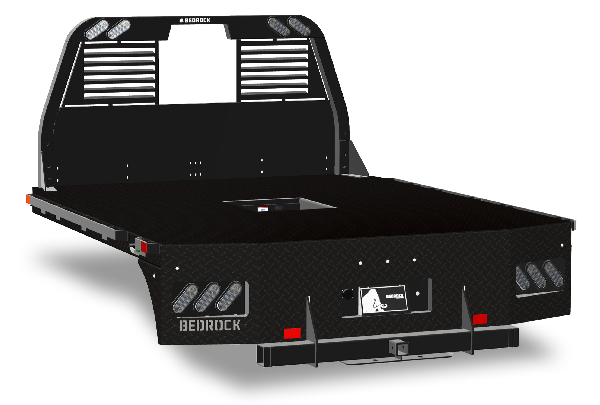
How Do Bedrock’s Flatbed Models Stack Up Against One Another?
Atomic answer (40‑60 words): Bedrock offers five flagship flatbeds—Diamond, Granite, Granite Plus, Onyx, and Marble—each with distinct load ratings, deck lengths, and materials. Diamond leads in capacity, Granite balances cost and performance, Granite Plus adds modular flexibility, Onyx excels in corrosion resistance, and Marble provides a premium finish.
Below is a side‑by‑side comparison of the most recent 2026 specifications. All models meet or exceed FMCSA and SAE standards for heavy‑duty applications.
| Model | Max Load (lb) | Deck Length (ft) | Primary Material | Finish | Approx. Price (USD) |
|---|---|---|---|---|---|
| Diamond | 45,000 | 12.0 | 12‑ga. High‑Strength Steel | Powder‑Coat (Black) | $9,800 – $11,200 |
| Granite | 38,000 | 11.5 | 14‑ga. High‑Strength Steel | Epoxy‑Resin | $7,900 – $9,300 |
| Granite Plus | 38,000 | 12.5 (modular) | 14‑ga. High‑Strength Steel | Epoxy‑Resin + Modular Panels | $8,400 – $9,800 |
| Onyx | 42,000 | 11.8 | 12‑ga. Marine‑Grade Aluminum | Marine‑Grade Paint | $9,200 – $10,600 |
| Marble | 40,000 | 12.2 | 12‑ga. High‑Strength Steel | Polished Stainless Steel | $10,200 – $11,800 |
Pros and Cons of Each Model
Diamond – Pros: Highest load capacity, longest solid deck, rugged steel construction; Cons: Heaviest of the lineup, higher price.
Granite – Pros: Best value‑to‑strength ratio, proven durability; Cons: Slightly shorter deck, standard epoxy finish can chip under extreme exposure.
Granite Plus – Pros: Modular deck adds flexibility for oversized cargo, same load rating as Granite; Cons: Modular joints require periodic inspection.
Onyx – Pros: Excellent corrosion resistance for coastal or salt‑laden environments, lighter than steel; Cons: Slightly lower max load than Diamond.
Marble – Pros: Premium polished finish reduces cleaning time, high aesthetic appeal for corporate fleets; Cons: Highest cost, finish requires careful maintenance.
Which Flatbed Size Is Right for My Truck and Cargo?
Atomic answer (40‑60 words): Match the flatbed length to your trailer’s wheelbase and the longest load you transport. For most Class 8 trucks, a 12‑ft deck (Diamond, Marble) provides maximum versatility, while a 11‑ft deck (Granite, Onyx) suits tighter maneuverability in urban settings.
When selecting a size, consider the overall wheelbase of your truck‑tractor combination. A longer wheelbase can safely support a 12‑ft deck without over‑hang. Additionally, factor in local regulations; many states limit deck extensions to 12 ft unless special permits are obtained. Use a simple checklist:
- Measure the longest item you haul (including tie‑down hardware).
- Verify your truck’s wheelbase can accommodate the deck length.
- Check state length restrictions.
- Account for any additional equipment (e.g., winches, ramps).
What Are the Common Mistakes When Choosing a Heavy Duty Flatbed?
Atomic answer (40‑60 words): The most frequent errors are ignoring the flatbed’s own weight, over‑estimating load capacity, selecting a finish unsuitable for the operating environment, and failing to verify compliance with FMCSA length limits. These oversights lead to reduced payload, higher maintenance, and possible fines.
Real‑World Tip
Always calculate the net payload by subtracting the flatbed’s tare weight from the truck’s GVWR. For example, a Diamond flatbed weighs roughly 2,200 lb; on a 80,000 lb GVWR truck, the net payload drops to about 42,800 lb, not the 45,000 lb flatbed rating.
How Do I Maintain My Heavy Duty Flatbed for Longevity?
Atomic answer (40‑60 words): Routine maintenance includes weekly visual inspections for corrosion or damage, quarterly re‑tightening of tie‑down hardware, and annual resurfacing of the deck coating. Follow manufacturer‑approved cleaning agents and avoid high‑pressure washers on polished finishes like Marble.
A preventative maintenance schedule can save up to 15 % in lifecycle costs. For steel decks, a quarterly touch‑up of the powder‑coat prevents rust. Aluminum models (Onyx) benefit from salt‑water rinses after coastal runs. Keep the underside clear of debris to avoid hidden wear on suspension mounts.
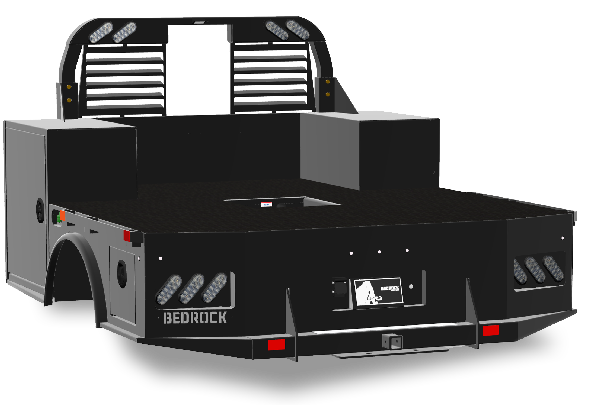
How Does Bedrock’s Flatbed Line Meet Industry Standards?
Atomic answer (40‑60 words): All Bedrock flatbeds comply with FMCSA 49 CFR Part 393 and are engineered to SAE J2450 standards for high‑strength steel construction, ensuring safety, durability, and legal compliance across North America.
According to the Federal Motor Carrier Safety Administration (FMCSA), flatbeds must meet specific load distribution and lighting requirements, which Bedrock’s designs satisfy out of the box. Additionally, Bedrock adheres to the SAE International J2450 specification for structural integrity.
Which Bedrock Flatbed Should I Choose for My Business?
Atomic answer (40‑60 words): Choose Diamond for maximum payload and rugged operations, Granite for budget‑conscious fleets, Granite Plus for flexible load configurations, Onyx for corrosive environments, and Marble for high‑visibility corporate branding or premium service contracts.
Decision Framework (no download needed)
- Payload Requirement – > 45 k lb? Choose Diamond.
- Budget Constraint – < $9k? Granite is optimal.
- Environmental Exposure – coastal/salt? Onyx wins.
- Aesthetic/Branding – need a polished look? Marble fits.
- Load Flexibility – irregular shapes? Granite Plus with modular sections.
If you need a quick visual reference, see the product page for a full Heavy duty truck flatbed comparison.
Frequently Asked Questions (FAQ)
Atomic answer (40‑60 words): Below are concise answers to the most common queries about heavy duty truck flatbeds, covering load limits, installation, maintenance, and regulatory compliance to help you make an informed purchase.
| Question | Answer |
|---|---|
| What is the typical lifespan of a steel flatbed? | With proper maintenance, a steel flatbed like the Diamond can last 12‑15 years under heavy use. |
| Can I install a Bedrock flatbed myself? | Installation requires a lift and basic hand tools; most contractors recommend professional mounting for safety. |
| Do I need a special license to haul loads on a 12‑ft flatbed? | No additional license is needed beyond a standard CDL Class A, but the load must be properly secured and within GVWR limits. |
| How often should I re‑coat the deck? | Re‑coating is typically needed every 3‑5 years, depending on exposure and wear. |
| Are the modular sections on Granite Plus interchangeable with other models? | Granite Plus modules are proprietary but can be swapped within the same model line for different deck lengths. |
| What warranty does Bedrock offer? | Bedrock provides a 3‑year limited warranty covering material defects and workmanship. |
| Is there a weight penalty for the polished Marble finish? | The finish adds ~50 lb, negligible compared to the overall deck weight. |
| How do I ensure compliance with state length regulations? | Check each state’s Department of Transportation website; most caps are 12 ft for flatbeds without special permits. |
Takeaway: By comparing load capacity, deck length, material, finish, and price, you can pinpoint the Bedrock flatbed that aligns with your operational needs and budget. Use the decision framework above, follow the maintenance checklist, and stay compliant with FMCSA and SAE standards for a reliable, long‑lasting flatbed solution.
Interested in learning more?
Visit our website to explore products, find dealers, and get in touch.
Visit Bedrock Truck Beds →