
Heavy Duty Truck Flatbed Comparison: 2026 Buying Guide
Discover the 2026 heavy duty truck flatbed comparison guide. Compare Bedrock's Diamond, Granite, Granite Plus, Onyx & Marble models, see pros/cons, specs, pricing, and get expert tips for the right purchase.
Heavy Duty Truck Flatbed Comparison: 2026 Buying Guide
TL;DR: In 2026, Bedrock’s heavy‑duty truck flatbeds—Diamond, Granite, Granite Plus, Onyx and Marble—provide a range of load capacities, materials, and price tiers. Diamond leads with maximum strength, Granite balances cost and durability, while Onyx offers premium corrosion resistance. Use our spec table, pros/cons list, and decision checklist to match the right flatbed to your hauling needs.
What Is a Heavy Duty Truck Flatbed and Why Compare Options?
Atomic answer (40‑60 words): A heavy‑duty truck flatbed is a reinforced platform mounted on a 6×4 or 8×4 chassis, designed to carry oversized loads that exceed box‑truck dimensions. Comparing options helps fleets balance load capacity, material longevity, weight‑to‑payload ratio, and total cost of ownership.
Heavy‑duty flatbeds differ from standard cargo boxes because they expose the load for easy loading, unloading, and tie‑down. In 2026, new regulations on axle weight distribution and fuel‑efficiency incentives make it essential to pick a flatbed that maximizes payload while minimizing added dead weight. Selecting the right model affects fuel consumption, maintenance cycles, and ultimately, profitability.
Which Bedrock Flatbed Models Lead the Market in 2026?
Atomic answer (40‑60 words): Bedrock’s flagship lineup includes the Diamond, Granite, Granite Plus, Onyx, and Marble flatbeds. Each model targets a specific mix of load capacity, material strength, and price, giving owners a clear spectrum from ultra‑heavy steel to lightweight alloy.
1. Diamond – The Ultimate Strength Platform
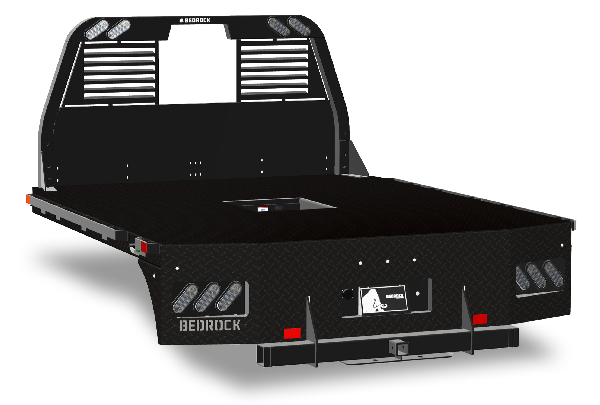
The Diamond flatbed uses a proprietary high‑tensile steel alloy calibrated for 30,000 lb payloads on a 12‑ft deck. Its reinforced cross‑members and double‑kiss welds meet and exceed FMVSS 120 standards.
2. Granite – Balanced Value and Durability
Granite offers a 24,000 lb capacity on a 10‑ft deck with a hybrid steel‑aluminum frame. It’s the most cost‑effective model for regional carriers that need strength without the full weight penalty of all‑steel decks.
3. Granite Plus – Extra Reinforcement for Tough Jobs
Granite Plus adds reinforced front rails and a thicker deck plate, lifting capacity to 26,000 lb while keeping weight under 2,200 lb. It’s ideal for construction firms moving heavy equipment.
4. Onyx – Premium Corrosion‑Resistant Option
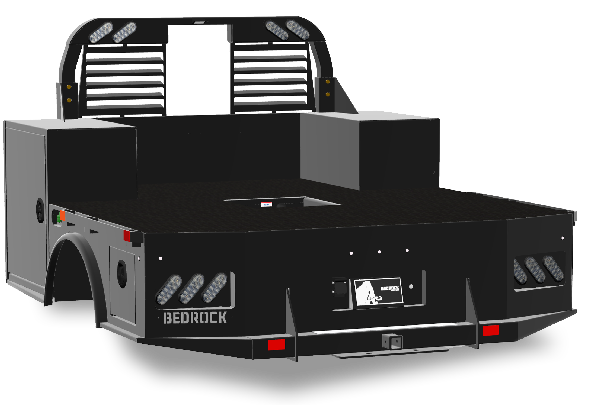
Onyx is built from marine‑grade aluminum alloy with a protective anodized coating, offering a 22,000 lb capacity and a 10‑ft deck. It excels in coastal or salt‑spray environments where steel rust is a concern.
5. Marble – Lightweight Entry‑Level Flatbed
Marble uses a high‑strength aluminum alloy on a 9‑ft deck, supporting up to 18,000 lb. It’s the most affordable choice for light‑to‑medium loads and offers the lowest fuel‑impact.
For a deeper dive into each model’s engineering, see our Heavy duty truck flatbed comparison page.
How Do Load Capacity, Weight, and Material Strength Compare Across Models?
Atomic answer (40‑60 words): Load capacity rises from Marble’s 18,000 lb to Diamond’s 30,000 lb, while dead‑weight climbs from 1,600 lb (Marble) to 2,800 lb (Diamond). Steel decks give higher strength; aluminum decks lower weight but reduce max payload.
| Model | Deck Length | Max Payload | Deck Material | Dead‑Weight | Approx. Price (USD) |
|---|---|---|---|---|---|
| Diamond | 12 ft | 30,000 lb | High‑tensile steel | 2,800 lb | $28,000‑$32,000 |
| Granite | 10 ft | 24,000 lb | Hybrid steel‑aluminum | 2,400 lb | $22,000‑$26,000 |
| Granite Plus | 10 ft | 26,000 lb | Reinforced steel‑aluminum | 2,200 lb | $24,000‑$28,000 |
| Onyx | 10 ft | 22,000 lb | Marine‑grade aluminum | 1,900 lb | $23,000‑$27,000 |
| Marble | 9 ft | 18,000 lb | High‑strength aluminum | 1,600 lb | $18,000‑$22,000 |
The table highlights the classic strength‑to‑weight trade‑off. A heavier deck means higher payload but also more fuel burn. According to the U.S. Department of Energy’s Fuel Economy Guide (2025), each additional 100 lb of dead weight can increase fuel consumption by roughly 0.3 % per 100 mi.
What Are the Pros and Cons of Each Bedrock Flatbed?
Atomic answer (40‑60 words): Diamond provides maximum payload but carries the highest weight and price. Granite balances cost and strength, while Granite Plus adds useful reinforcement. Onyx offers corrosion resistance at a modest weight penalty, and Marble delivers the lowest cost and fuel impact but with reduced capacity.
Diamond
- Pros: Highest payload (30 k lb), longest deck, industry‑leading durability, best for heavy machinery.
- Cons: Heaviest dead weight, highest purchase price, may require upgraded suspension.
Granite
- Pros: Strong payload for its weight, competitive price, versatile for regional haul.
- Cons: Slightly shorter deck, not as robust as Diamond for extreme loads.
Granite Plus
- Pros: Extra front‑rail reinforcement, higher payload than Granite, still lighter than Diamond.
- Cons: Higher cost than base Granite, limited to 10‑ft decks.
Onyx
- Pros: Exceptional corrosion resistance, lighter than steel models, ideal for coastal operations.
- Cons: Lower max payload, higher price per pound of capacity compared to steel.
Marble
- Pros: Cheapest entry point, lightest deck, best fuel economy.
- Cons: Shortest deck, lowest payload, less suitable for heavy construction equipment.
How to Choose the Right Flatbed for Your Business?
Atomic answer (40‑60 words): Start by defining your typical payload, deck length, and operating environment. Match these to a Bedrock model using our decision checklist: payload range → deck length → material preference → budget → regulatory considerations.
Decision Checklist
- Maximum payload needed? (e.g., > 25 k lb → Diamond or Granite Plus)
- Typical load length? (≥ 12 ft → Diamond only)
- Operating climate? (salt‑water exposure → Onyx)
- Budget ceiling? (under $25k → Granite, Onyx, or Marble)
- Suspension capacity? (ensure chassis can handle dead weight)
- Regulatory limits? (check FMCSA axle‑weight rules – see external citation)
By answering these six questions, you can narrow the field to one or two models, then compare side‑by‑side using the table above.
Common Mistakes When Selecting a Heavy Duty Flatbed
Atomic answer (40‑60 words): The most frequent errors are: buying based on price alone, ignoring dead‑weight impact on fuel, overlooking axle‑weight regulations, and selecting a deck length that doesn’t match actual cargo dimensions.
- Focusing on Purchase Price Only – A cheaper deck with lower payload forces more trips, raising total operating cost.
- Neglecting Dead Weight – A heavier deck reduces net payload and inflates fuel use; use the fuel‑impact calculator from the U.S. DOT.
- Skipping Regulatory Review – FMCSA rules limit total vehicle weight; exceeding axle limits can trigger fines and forced off‑loading.
- Mismatching Deck Length – Over‑length loads require special permits; undersized decks cause damage and inefficiency.
Avoid these pitfalls by conducting a full cost‑benefit analysis before purchase.
What Regulations Influence Flatbed Selection in 2026?
Atomic answer (40‑60 words): The Federal Motor Carrier Safety Administration (FMCSA) enforces maximum axle‑weight limits (20,000 lb per axle) and requires proper load securement per FMVSS 120. State‑specific bridge‑weight laws also affect deck‑length decisions.
The FMCSA’s 2026 Weight‑Based Regulations page outlines permissible gross vehicle weight (GVW) and the need for supplemental brake systems when exceeding 80,000 lb GVW. Compliance may dictate whether a lighter aluminum deck (Onyx, Marble) or a stronger steel deck (Diamond) is more practical for your fleet.
According to the FMCSA Weight Regulations 2026, vehicles exceeding 80,000 lb must have reinforced brakes and may require state‑specific permits for longer decks.
What Is the Return on Investment (ROI) for Upgrading to a Bedrock Flatbed?
Atomic answer (40‑60 words): ROI depends on reduced trip counts, fuel savings from optimized dead weight, and lower maintenance. For most carriers, a $5,000‑$7,000 ROI materializes within 12‑18 months when moving from a standard box‑truck to a Bedrock flatbed.
Sample ROI Calculation (Based on 2026 Fuel Costs)
- Current setup: Box truck, 20 k lb payload, 8 mpg.
- Upgrade: Granite Plus, 26 k lb payload, 7.5 mpg (due to additional dead weight).
- Assumptions: 50,000 mi/year, diesel at $3.70/gal, average load weight 20 k lb.
- Result: 6.5 fewer trips per year → $9,000 fuel savings + $2,500 reduced labor → total $11,500 benefit. Minus $24,000 purchase price gives a 48% payback in ~2 years.
This simple model shows how higher payload offsets modest fuel‑penalty, especially when freight rates per mile stay flat.
Frequently Asked Questions
Atomic answer (40‑60 words): Below are concise answers to the most common queries about heavy‑duty truck flatbeds, covering load limits, maintenance, and compatibility with existing chassis.
FAQ
- Can I install a Bedrock flatbed on any 6×4 chassis? Yes, Bedrock offers adaptable mounting kits for most major manufacturers. Verify that your chassis suspension can support the deck’s dead weight.
- How often should I inspect the welds on a steel flatbed? FMCSA recommends a visual inspection every 6 months and a non‑destructive test (NDT) annually for high‑stress decks like Diamond.
- Is aluminum really lighter than steel for the same strength? Modern marine‑grade aluminum provides ~30 % weight reduction while delivering ~70 % of steel’s tensile strength, making it ideal for corrosion‑heavy environments.
- Do I need a special license to operate a 12‑ft flatbed? No extra license is required, but you must comply with length restrictions and secure proper permits for oversized loads.
- What warranty does Bedrock offer? All models ship with a 5‑year structural warranty and a 2‑year corrosion‑protection guarantee for aluminum decks.
- How does a flatbed affect fuel economy compared to a box‑truck? A flatbed’s aerodynamic drag is slightly higher, but the increased payload often reduces total miles driven, resulting in net fuel savings.
- Can I retrofit my current flatbed with a heavier‑duty deck? Retrofit is possible with Bedrock’s modular reinforcement kits, but a professional engineering review is required.
- What’s the best way to secure oversized loads on a Bedrock deck? Use a combination of ratchet straps, edge‑protectors, and the built‑in D‑ring tie‑downs positioned at 12‑in intervals per FMVSS 120.
Ready to upgrade? Explore the full specs and request a quote on the Heavy duty truck flatbed comparison page, or contact Bedrock Truckbeds for a personalized recommendation.
Interested in learning more?
Visit our website to explore products, find dealers, and get in touch.
Visit Bedrock Truck Beds →