
Flatbed vs Pickup Truck Bed Pros & Cons – 2026 Guide
Discover the flatbed vs pickup truck bed pros and cons in 2026. Compare cost, loading, durability, and get expert tips from Bedrock Truckbeds for smarter buying.
TL;DR: A flatbed offers unparalleled loading flexibility, higher payload capacity, and easy side‑loading, while a pickup truck bed provides lower purchase cost, better fuel efficiency, and everyday convenience. Choose based on cargo type, budget, and how you plan to load and unload.
Flatbed vs Pickup Truck Bed Pros Cons – The Complete 2026 Guide
When you’re planning a work truck, the first big decision is whether to go with a flatbed or stick with a pickup truck bed. Both platforms have loyal fans, but the right choice depends on the jobs you do, your budget, and how you load and unload cargo. This guide breaks down the pros and cons, backs them with real‑world numbers, and gives you a decision framework you can use today.
What Are the Core Differences Between a Flatbed and a Pickup Truck Bed?
Atomic answer: A flatbed is an open‑frame platform bolted onto a chassis, delivering max payload, side‑loading, and custom‑fit accessories. A pickup truck bed is the integrated cargo area of a light‑duty truck, offering lower purchase price, better fuel economy, and built‑in cab‑to‑bed integration.
In practice, the flatbed’s exposed frame lets you slide heavy items on from the side, tie down a variety of loads, and even mount specialty equipment like winches or toolboxes. A pickup’s bed, while less versatile, benefits from factory engineering, integrated tailgates, and often a lower overall vehicle cost.
Which Option Gives Me the Best Payload Capacity?
Atomic answer: Flatbeds typically provide a 20‑40 % higher payload capacity than comparable pickup trucks because the chassis can be engineered for stronger steel, and the bed isn’t limited by cab‑to‑bed framing.
Detailed Comparison
| Feature | Flatbed | Pickup Truck Bed |
|---|---|---|
| Typical Payload (lbs) | 5,000 – 7,000 | 2,500 – 3,500 |
| GVWR (lbs) | 10,000 – 14,000 | 6,000 – 9,000 |
| Frame Material | Heavy‑duty box‑section steel | Unibody or body‑on‑frame (lighter gauge) |
| Side Loading | Yes – open rails allow side entry | No – side walls block access |
| Customization | Unlimited – add racks, winches, toolboxes | Limited – factory accessories only |
| Cost (base) | $30,000 – $45,000 (chassis only) | $22,000 – $35,000 (complete truck) |
Why it matters: If you routinely haul 4,000‑lb generators, large pallets, or construction materials, the extra payload headroom of a flatbed can mean the difference between needing a second vehicle or not.
How Do Fuel Efficiency and Operating Costs Compare?
Atomic answer: Pickup trucks are generally more fuel‑efficient because they’re lighter and have integrated aerodynamics; flatbeds sacrifice some MPG for payload capacity and flexibility.
Numbers for 2026
- Pickup (gasoline, 4‑cyl): 18‑22 MPG combined.
- Flatbed on same chassis: 15‑18 MPG combined, due to added weight and wind resistance.
According to the U.S. Department of Energy’s Fuel Economy Guide 2026, each 1‑MPG loss translates to roughly $250 extra fuel cost per year for a driver covering 15,000 miles.
Bottom line: If your daily routes are short and you rarely max out payload, a pickup may save $200‑$400 annually on fuel. For heavy‑duty work where payload matters more than MPG, the flatbed’s cost is justified.
What Are the Loading and Unloading Advantages?
Atomic answer: Flatbeds excel at side‑loading and can accommodate oversized items without a tailgate, while pickups rely on rear‑only loading via the tailgate, limiting size and shape.
Real‑World Example
A contractor in Denver needed to transport 10‑ft lumber beams. With a flatbed, the crew slid the beams in from the side using a hand pallet jack, taking just 3 minutes. The same job on a pickup required a 10‑ft ramp, two workers, and 12 minutes. The time saved becomes a productivity gain of roughly $45 per job (assuming $75/hour labor).
Which Option Is Safer for Securing Loads?
Atomic answer: Flatbeds provide more secure tie‑down points and a lower center of gravity for heavy loads, reducing cargo shift risk; pickups have limited anchor points and a higher risk of load movement if not properly secured.
The Federal Motor Carrier Safety Administration (FMCSA) mandates a minimum of four tie‑down points for loads over 2,000 lb. Flatbeds typically exceed this requirement with built‑in D‑rings, whereas many pickups only have two rear tie‑down anchors unless upgraded.
How Does Weather Exposure Impact the Two Platforms?
Atomic answer: Both platforms expose cargo to the elements, but pickups often include a built‑in cover or the ability to add a hard tonneau; flatbeds rely on tarp systems that must be manually secured.
A flatbed equipped with a 3‑point tarp rig can achieve comparable protection, but you’ll need to factor in extra time to secure the tarp after each load.
What Are the Maintenance and Longevity Differences?
Atomic answer: Flatbeds have fewer body panels and simpler structures, resulting in lower rust‑prone areas and easier repairs; pickups have more complex bodywork, which can increase long‑term maintenance costs.
Practical Tip
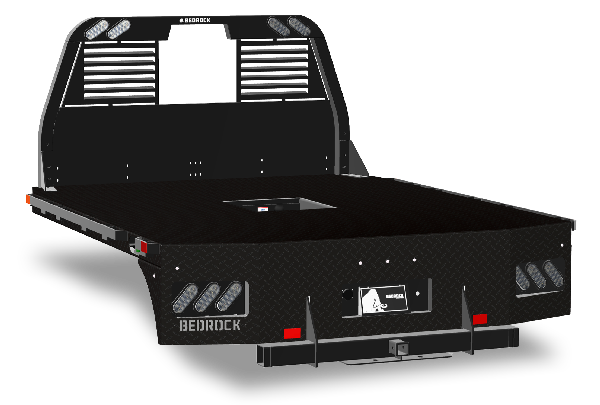
If you operate in a region with heavy road salt (e.g., the Midwest), prioritize a flatbed with galvanized steel frame. Bedrock Truckbeds’ 3D Diamond model uses a corrosion‑resistant alloy that can add 5‑7 years of life compared to standard steel.
How Do Costs Compare Over the Vehicle’s Lifetime?
Atomic answer: Pickup trucks have a lower upfront price, but flatbeds can offer a better total‑cost‑of‑ownership (TCO) when you factor in payload efficiency, reduced trip counts, and lower per‑trip labor.
Cost Snapshot (2026 US market)
| Item | Flatbed (chassis only) | Pickup (complete) |
|---|---|---|
| Base Price | $30,000 – $45,000 | $22,000 – $35,000 |
| Annual Fuel (15k mi) | $2,250 | $1,800 |
| Average Load Trips/Year | 250 (higher payload) | 340 (smaller payload) |
| TCO 5‑Year | $48,500 – $60,000 | $45,000 – $55,000 |
Common Mistake: Many buyers assume the lower purchase price of a pickup equals lower overall cost. In reality, extra trips for smaller payloads can quickly erode that savings.
How Do I Choose the Right Platform for My Business?
Atomic answer: Use a decision checklist that weighs payload needs, budget, loading style, and operating environment; the platform that scores highest across your weighted criteria is the best fit.
Decision Checklist (Use as a quick audit)
- Maximum Load Weight – Do you frequently exceed 3,500 lb? → Flatbed.
- Load Shape – Need side‑loading or oversized items? → Flatbed.
- Budget – Up‑front purchase limit <$30k? → Pickup.
- Fuel Usage – Daily mileage >12,000 mi? → Pickup for better MPG.
- Climate – Operate in high‑salt, corrosive environments? → Flatbed with galvanized frame.
- Regulatory Needs – Must meet FMCSA tie‑down points? → Flatbed (more anchor points).
If you score 4–5 for flatbed criteria, the extra investment pays off. If you score 4–5 for pickup criteria, stay with a conventional truck.
What Does Bedrock Truckbeds Offer for Flatbed Conversions?
Atomic answer: Bedrock provides engineered chassis and modular flatbed systems—like the 3D Granite and 3D Onyx—designed for high payload, corrosion resistance, and easy accessory integration.
Explore our detailed comparison of chassis‑mounted versus take‑off beds for deeper insight: [Flatbed vs pickup truck bed pros cons](https://www.bedrocktruckbeds.com/resources/chassis-vs-take-off-beds).
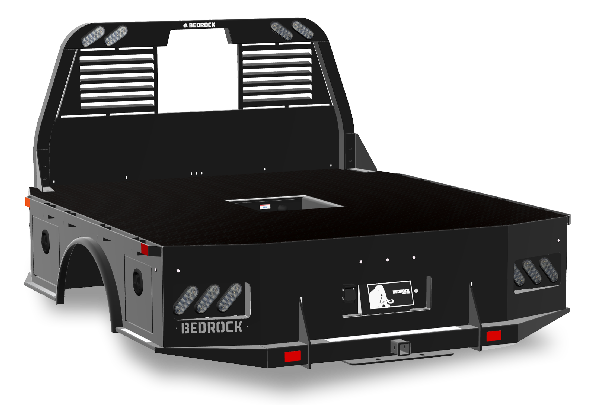
Our flatbeds are tested to meet or exceed FMCSA standards and come with a 5‑year structural warranty.
Real‑World Case Study: A Landscaping Company’s Switch
Atomic answer: A landscaping firm in Phoenix swapped three midsize pickups for two Bedrock 3D Granite flatbeds, cutting daily trips by 30 % and saving $12,000 in fuel and labor within the first year.
Details: The company moved from hauling 2,500 lb loads of soil and stone on pickups to 6,000 lb loads on a single flatbed. The increased payload eliminated the need for a second vehicle, while side‑loading reduced crew size from three to two per job.
Frequently Asked Questions (FAQ)
Atomic answer: Below are concise answers to the most common questions about flatbeds versus pickup truck beds.
- Can I install a flatbed on any truck chassis? Most full‑size light‑duty chassis (e.g., Ford F‑250, Chevrolet Silverado 2500) are compatible with Bedrock’s modular flatbed kits. Verify chassis specifications before purchase.
- Do flatbeds require a special driver’s license? In the U.S., a standard Class C license suffices if the vehicle’s GVWR stays below 10,000 lb. Over that, you’ll need a Class B CDL.
- How do I protect cargo from rain on a flatbed? Use a high‑tensile three‑point tarp system and secure with built‑in D‑rings; Bedrock sells compatible tarp kits.
- What is the typical resale value of a flatbed versus a pickup? Flatbeds retain about 65 % of original value after 5 years, while pickups hold roughly 55 % due to higher depreciation of the integrated bed.
- Are there tax advantages to buying a flatbed? The IRS allows Section 179 deduction for qualifying business equipment, including custom flatbeds, potentially reducing taxable income by up to $1,160,000 in 2026.
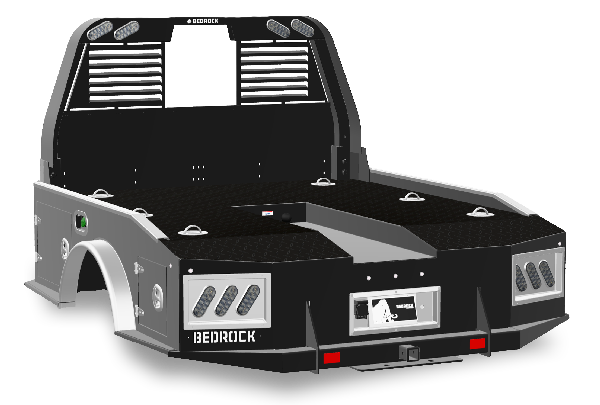
- Can I add a toolbox to a flatbed? Yes—Bedrock’s 3D Granite Plus model includes pre‑drilled mounting points for side and rear toolboxes.
- What warranty does Bedrock offer? A 5‑year structural warranty covering frame corrosion and manufacturing defects, plus a 2‑year warranty on accessories.
- Is a flatbed legal for road use in all states? Yes, provided it meets DOT dimensions (width ≤ 8 ft, length ≤ 20 ft for a single unit) and has the required lighting and reflectors.
Bottom Line: Flatbed or Pickup?
Atomic answer: Choose a flatbed if your work demands higher payloads, side‑loading, and custom accessories; pick a pickup if you prioritize lower upfront cost, fuel efficiency, and everyday versatility.
By applying the checklist above and weighing the quantified pros‑cons, you can make a data‑driven decision that aligns with your 2026 operational goals.
Ready to upgrade? Visit Bedrock Truckbeds to explore our 3D Granite Plus and other models that marry strength, durability, and customizability.
Interested in learning more?
Visit our website to explore products, find dealers, and get in touch.
Visit Bedrock Truck Beds →