
Flatbed vs Pickup Truck Bed: Complete Pros & Cons Guide 2026
Deciding between a flatbed and pickup truck bed? Compare costs, payload capacity, versatility, and maintenance. Expert guide with pros, cons, and recommendations.
TL;DR: Flatbeds offer superior payload capacity, versatility, and professional capability but cost more upfront. Traditional pickup beds provide weather protection, security, and lower costs but limit cargo flexibility and weight capacity.
What Are the Main Differences Between Flatbeds and Pickup Truck Beds?
Flatbeds replace your truck's original bed with an open, flat platform, typically made from steel or aluminum. Traditional pickup beds feature enclosed sides with a tailgate, designed for general cargo transport. The fundamental difference lies in cargo accessibility, weight capacity, and intended use cases.
Choosing between a flatbed and traditional pickup truck bed represents one of the most significant decisions for truck owners in 2026. Whether you're a contractor hauling equipment, a rancher moving livestock, or a weekend warrior transporting recreational gear, understanding these differences impacts both your daily operations and long-term costs.
The decision often comes down to three primary factors: how you use your truck, what you typically haul, and whether maximum functionality outweighs convenience features. Let's examine each option's strengths and limitations to help you make an informed choice.
What Are the Key Advantages of Flatbed Truck Beds?
Flatbeds excel in payload capacity, cargo versatility, and professional applications, making them ideal for commercial work and specialized hauling needs. They typically handle 20-40% more weight than comparable pickup beds while offering 360-degree cargo access.
Superior Weight Capacity and Structural Strength
Flatbeds distribute weight more evenly across the truck's frame, allowing higher payload capacities. According to the National Institute for Occupational Safety and Health (NIOSH), proper weight distribution significantly reduces stress on vehicle components and improves safety margins.
Most quality flatbeds handle 3,000-5,000 pounds compared to traditional beds' 1,500-3,000-pound limits. This increased capacity proves crucial for construction materials, equipment transport, and commercial applications.
Unmatched Cargo Accessibility
Unlike traditional beds requiring tailgate access, flatbeds allow loading and unloading from all four sides. This accessibility speeds up operations, reduces physical strain, and accommodates oversized items that wouldn't fit in enclosed beds.
Crane operators, forklifts, and loading equipment work more efficiently with flatbeds. The open design eliminates the need to maneuver cargo over bed rails or through narrow tailgate openings.
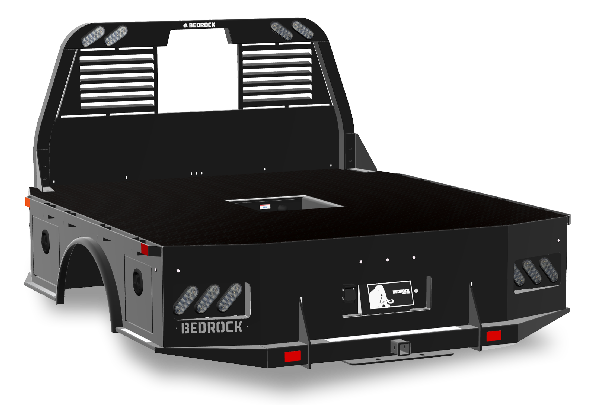
Enhanced Versatility for Specialized Equipment
Flatbeds accommodate various accessories and modifications impossible with traditional beds. Stake pockets, tie-down points, and mounting systems transform the platform for specific applications.
Common flatbed configurations include:
- Livestock gates and panels
- Tool boxes and storage compartments
- Winches and loading equipment
- Custom mounting systems for specialized gear
- Removable side rails and extensions
Professional Appearance and Durability
Quality flatbeds project a professional image crucial for business applications. Steel construction typically outlasts aluminum pickup beds, especially in harsh working conditions. Many flatbeds feature powder-coated finishes that resist corrosion better than factory bed coatings.
What Are the Disadvantages of Flatbed Truck Beds?
Flatbeds lack weather protection, security features, and convenience elements standard in pickup beds, while requiring higher upfront investment and potentially more maintenance over time.
No Weather Protection or Security
Open flatbeds expose cargo to rain, snow, dust, and theft. Unlike pickup beds with tonneau covers or caps, flatbeds require separate tarping systems or enclosed storage solutions for weather protection.
This limitation affects:
- Tool and equipment storage
- Cargo requiring dry transport
- Overnight security in unsecured areas
- Daily driving with loose items
Higher Initial Investment
Quality flatbeds cost $2,000-$8,000 depending on size, materials, and features. Installation adds another $500-$1,500 unless you handle it yourself. This represents 2-3 times the cost of pickup bed accessories providing similar functionality.
The investment pays off for heavy-duty users but may not justify costs for occasional haulers or recreational use.
Reduced Fuel Economy
Flatbeds typically create more aerodynamic drag than streamlined pickup beds, especially with stake sides or equipment mounted. Expect 1-3 mpg reduction depending on configuration and driving conditions.
Limited Everyday Convenience
Pickup beds excel for grocery runs, sports equipment, camping gear, and general family hauling. Flatbeds lack convenient features like:
- Integrated tie-downs at optimal locations
- Side storage compartments
- Tailgate seating or work surfaces
- Easy access for smaller items
What Are the Main Benefits of Traditional Pickup Truck Beds?
Traditional pickup beds offer weather protection, security, convenience features, and lower costs while maintaining manufacturer warranties and familiar operation for everyday users.
Built-in Weather Protection and Security
Enclosed sides and tailgates protect cargo from weather and casual theft. Adding tonneau covers, bed caps, or toppers creates secure, weatherproof storage rivaling SUV cargo areas.
This protection proves invaluable for:
- Daily commuting with valuables
- Camping and recreational gear
- Tools and equipment storage
- Transporting weather-sensitive materials
Lower Total Cost of Ownership
Factory pickup beds come standard with new trucks, eliminating aftermarket conversion costs. Maintenance requirements stay minimal, and replacement parts remain readily available through dealer networks.
Accessory costs also run lower:
- Tonneau covers: $300-$2,000
- Bed liners: $150-$800
- Tool boxes: $200-$1,500
- Tie-down systems: $50-$500
Maintained Manufacturer Warranties
Keeping original pickup beds preserves factory warranties covering bed components, electrical systems, and integrated features. Aftermarket flatbed conversions may void certain warranty coverages, especially for frame modifications.
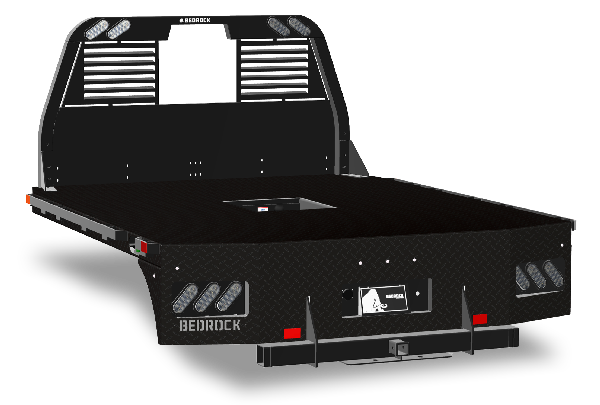
Optimized for Daily Driving
Pickup beds complement truck aerodynamics, maintaining fuel economy and handling characteristics. Factory integration ensures optimal weight distribution and suspension tuning.
Convenient Features and Accessories
Modern pickup beds include numerous convenience features:
- Integrated tie-downs and cargo management
- Electrical outlets and lighting
- Tailgate assist systems
- Factory-integrated tonneau covers
- Bed dividers and organizers
What Are the Limitations of Traditional Pickup Truck Beds?
Pickup beds restrict cargo size, limit weight capacity, and provide access only from the rear, making them less suitable for commercial applications and oversized loads.
Weight and Size Restrictions
Pickup bed walls limit cargo dimensions while structural design restricts payload capacity. Most half-ton trucks handle 1,500-2,000 pounds safely, significantly less than comparable flatbed configurations.
Oversized items requiring width or length exceeding bed dimensions create transportation challenges. Loading tall items requires creative solutions or trailer alternatives.
Limited Cargo Accessibility
Tailgate-only access complicates loading heavy items, especially with high bed rails. Shorter operators struggle reaching items at the front of 6-8 foot beds, while loading equipment can't access cargo from optimal angles.
Professional Image Limitations
Pickup beds may not project the professional image required for certain businesses. Contractors, landscapers, and commercial operators often prefer flatbeds' industrial appearance and capability.
How Do Costs Compare Between Flatbeds and Pickup Beds?
| Cost Factor | Flatbed | Pickup Bed |
|---|---|---|
| Initial Purchase | $2,000-$8,000 | $0 (included) |
| Installation | $500-$1,500 | $0 |
| Accessories | $500-$3,000 | $300-$2,500 |
| Maintenance (5 years) | $300-$800 | $100-$400 |
| Fuel Impact (annual) | -$200-$600 | $0 |
| Total 5-Year Cost | $4,000-$14,400 | $400-$2,900 |
These costs assume moderate accessory additions and 15,000 annual miles. Heavy-duty users may see faster payback through increased productivity and capability.
Which Option Works Best for Different Use Cases?
Your primary truck usage determines the optimal bed configuration. Commercial operators, contractors, and heavy haulers typically benefit from flatbed advantages, while daily drivers and recreational users prefer pickup bed convenience.
Flatbeds Excel For:
- Construction and Contracting: Equipment transport, material hauling, and jobsite flexibility
- Agriculture and Ranching: Livestock transport, feed delivery, and equipment movement
- Commercial Services: Delivery operations, service calls, and specialized equipment
- Heavy Hauling: Regular loads exceeding 2,500 pounds or oversized dimensions
- Equipment Transport: Machinery, tools, and industrial supplies
Consider The SPIKE BED | Flatbeds by BEDROCK Truck Beds for applications requiring maximum durability and professional capability.
Pickup Beds Work Better For:
- Daily Commuting: Work trucks doubling as family vehicles
- Recreational Use: Camping, sports equipment, and weekend projects
- Light Commercial: Service calls with tool storage requirements
- Mixed-Use Applications: Combining work and personal transportation
- Weather-Sensitive Cargo: Items requiring protection from elements
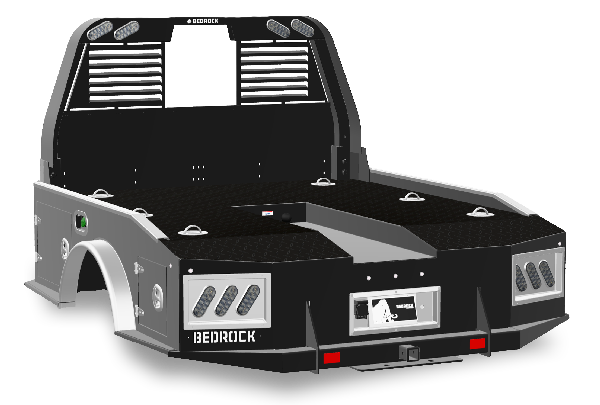
Hybrid Solutions and Compromises
Some users benefit from removable bed systems or modular designs allowing configuration changes. While more expensive initially, these systems provide flexibility for varying seasonal needs or changing business requirements.
What Should You Consider When Making Your Decision?
Evaluate your specific needs using this decision framework to choose between flatbed and pickup bed configurations based on practical requirements rather than assumptions.
Usage Pattern Analysis
Track your hauling needs for 2-3 months:
- Cargo weight and dimensions
- Loading/unloading frequency
- Weather exposure requirements
- Security needs
- Professional appearance importance
Financial Impact Assessment
Calculate total cost of ownership:
- Initial conversion costs
- Lost productivity from limitations
- Fuel economy changes
- Maintenance requirements
- Accessory investments needed
Future Needs Consideration
Business growth, changing family needs, and evolving hauling requirements affect long-term satisfaction. Choose configurations supporting anticipated changes rather than just current needs.
For those considering flatbed options, exploring resources like Cab & Chassis vs Take-Off Beds | Flatbeds by BEDROCK Truck Beds helps understand installation approaches and their implications.
Common Mistakes When Choosing Between Flatbeds and Pickup Beds
Many truck owners make decisions based on incomplete information or assumptions that don't match their actual usage patterns. Avoiding these common mistakes saves money and ensures satisfaction with your choice.
Overestimating Heavy-Duty Needs
Many buyers assume they need maximum capability but rarely utilize it. Track actual hauling for several months before committing to expensive flatbed conversions. Occasional heavy loads might justify trailer rental rather than permanent bed modifications.
Underestimating Daily Convenience Value
Contractors switching to flatbeds sometimes miss pickup bed convenience for personal use. Consider whether one truck must serve all purposes or if separate vehicles make more sense.
Ignoring Local Climate Factors
Regions with frequent rain, snow, or dust storms create additional challenges for flatbed users. Factor weather protection costs and inconvenience into your decision process.
Focusing Only on Initial Costs
While flatbeds cost more upfront, productivity gains and capability improvements may justify higher investment for commercial users. Conversely, recreational users rarely recoup flatbed costs through improved utility.
Installation and Conversion Considerations
Understanding installation requirements helps plan conversions and budget accurately for professional installation or DIY approaches.
Professional vs. DIY Installation
Flatbed installation involves:
- Removing original bed (2-4 hours)
- Preparing frame mounting points
- Installing new bed with proper hardware
- Connecting electrical systems
- Testing all functions
Professional installation ensures warranty compliance and proper integration but adds $500-$1,500 to project costs. DIY installation saves money but requires tools, experience, and careful attention to safety-critical connections.
Electrical System Integration
Modern trucks feature complex electrical systems requiring proper integration for:
- Taillight and turn signal functions
- Brake light operation
- License plate lighting
- Auxiliary power connections
Quality flatbed manufacturers like those offering Quad Granite Flatbed | Bedrock Truck Beds provide wiring harnesses and detailed instructions for seamless integration.
Frame Considerations and Modifications
Some installations require frame modifications or reinforcement, especially for heavy-duty applications. Understanding these requirements prevents unexpected costs and ensures safe operation.
According to the Society of Automotive Engineers (SAE), proper frame attachment points and load distribution are critical for vehicle safety and performance.
Maintenance and Long-Term Ownership
Both flatbeds and pickup beds require maintenance, but patterns and costs differ significantly between configurations.
Flatbed Maintenance Requirements
Annual maintenance typically includes:
- Inspecting and tightening mounting bolts
- Checking tie-down points for wear
- Treating rust spots and refinishing scratches
- Lubricating hinges and moving parts
- Replacing worn accessories and hardware
Expected costs: $60-$160 annually for basic maintenance, more for heavy commercial use.
Pickup Bed Maintenance
Standard maintenance involves:
- Cleaning and treating bed liner
- Inspecting tailgate hinges and cables
- Maintaining tonneau covers or caps
- Replacing worn tie-downs
- Addressing rust or corrosion issues
Expected costs: $20-$80 annually for typical use patterns.
Resale Value Considerations
Original pickup beds generally maintain better resale value, as they appeal to broader buyer pools. Custom flatbeds may limit resale appeal but could increase value for commercial buyers needing similar capability.
FAQ
How much weight can a flatbed handle compared to a pickup bed?
Quality flatbeds typically handle 3,000-5,000 pounds compared to pickup beds' 1,500-3,000-pound capacity. The exact difference depends on truck frame strength and bed construction quality.
Can I install a flatbed myself, or do I need professional help?
Basic flatbed installation is possible for experienced DIYers with proper tools, taking 4-8 hours. However, electrical integration and warranty considerations often favor professional installation.
Do flatbeds affect truck resale value?
Flatbeds may reduce appeal to general buyers but increase value for commercial purchasers. Overall impact depends on local market conditions and buyer demographics.
How much do quality flatbeds cost installed?
Complete flatbed conversions range from $2,500-$9,500 installed, depending on size, materials, features, and installation complexity. Budget options start around $2,000, while premium systems exceed $8,000.
Can I add weather protection to a flatbed?
Yes, through removable tonneau systems, custom covers, or enclosed toolboxes. However, these accessories add cost and complexity compared to pickup bed solutions.
Which option gets better fuel economy?
Pickup beds typically achieve 1-3 mpg better fuel economy than flatbeds due to improved aerodynamics. The difference varies with driving conditions and flatbed configuration.
How long do flatbeds last compared to pickup beds?
Quality steel flatbeds often outlast aluminum pickup beds, especially in commercial use. Expect 15-20 years from premium flatbeds versus 10-15 years for factory beds in similar conditions.
Are there financing options for flatbed conversions?
Many flatbed manufacturers and dealers offer financing programs, especially for commercial buyers. Equipment loans and business lines of credit commonly cover conversion costs.
Interested in learning more?
Visit our website to explore products, find dealers, and get in touch.
Visit Bedrock Truck Beds →