
Flatbed vs Pickup Truck Bed Pros & Cons: 2026 Complete Guide
Discover the flatbed vs pickup truck bed pros cons in 2026. Compare cost, payload, safety, and ROI to choose the right solution for your work with expert tips from Bedrock Truckbeds.
TL;DR: Flatbeds provide higher payload, easier loading, and better versatility for oversized loads, while pickup truck beds excel in maneuverability, lower upfront cost, and protection from weather. Choose based on load type, budget, safety regulations, and long‑term business needs.
What are the main differences between flatbeds and pickup truck beds?
Atomic answer (40‑60 words): A flatbed is an open‑frame platform bolted to a chassis, offering 100 % side access and typically higher payload capacity than a conventional pickup truck bed, which is an integrated cargo box built onto a truck cab. The design influences loading style, protection, and cost.
Flatbeds are purpose‑built for commercial applications: they can handle pallets, equipment, and oversize cargo without height restrictions. Pickup truck beds, meanwhile, combine the cab and cargo area into a single vehicle, making them ideal for light‑to‑medium duty tasks, everyday personal use, and situations where the cargo needs enclosure.
Key structural points
- Frame vs. integrated box: Flatbeds attach to a chassis, often with a take‑off design that allows the entire bed to be removed. Pickup beds are welded into the truck frame.
- Side access: Flatbeds give 360° access; pickups have doors on only one side.
- Weight distribution: Flatbeds spread weight across the chassis rails, reducing stress on suspension.
- Weather protection: Pickup beds provide a built‑in canopy, while flatbeds require a tarp or cover.
For a deeper dive into chassis‑vs‑take‑off beds, see Bedrock’s Flatbed vs pickup truck bed pros cons guide.
Which option offers higher payload capacity and why?
Atomic answer (40‑60 words): Flatbeds typically support 30 %–50 % more payload than comparable pickup truck beds because the load rests directly on a reinforced chassis rather than on a suspended cargo box. The open design also eliminates interior structural reinforcements that add weight without benefiting payload.
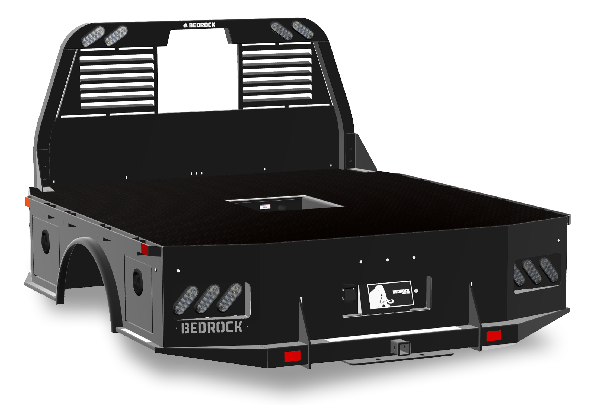
Most flatbeds are engineered to handle commercial‑grade loads ranging from 3,000 lb to 10,000 lb depending on the model and axle configuration. In contrast, a heavy‑duty pickup truck bed usually maxes out around 2,500 lb–3,500 lb before the suspension or frame is taxed.
Real‑world example
A landscaping contractor in Texas switched from a 6,500‑lb payload 2024 pickup to a 9,200‑lb flatbed. The flatbed reduced the number of trips per day by 35 % and lowered fuel consumption because the vehicle ran at a more efficient weight distribution.
How do safety and regulatory considerations compare?
Atomic answer (40‑60 words): Safety standards for flatbeds focus on secure tie‑down points and low‑profile sides, while pickup beds rely on built‑in garniture and enclosed walls. Both must meet DOT and OSHA regulations, but flatbeds often require additional tarps or guardrails to protect the load and crew.
The U.S. Department of Transportation (DOT) mandates that any commercial vehicle with a flatbed over 10 ft must have properly rated tie‑down anchors and guardrails when carrying hazardous materials (see the DOT FMCSA Cargo Securement Standard).
According to OSHA, forklift and hand‑load operations on flatbeds should use rated pallets and edge protection to prevent load shift, which can cause injuries. Pickup beds, being enclosed, reduce the chance of accidental load ejection but may hide hazards under the box.
Practical tip: Install U‑bolt anchor kits on flatbeds (available from Bedrock Truckbeds) to meet the 6‑point tie‑down requirement without sacrificing loading speed.
What are the cost differences and long‑term ROI?
Atomic answer (40‑60 words): Flatbeds have a higher upfront price—often $5,000–$12,000 more than a comparable pickup truck—but they deliver superior ROI for businesses that haul heavy or irregular loads because they reduce trip frequency, fuel costs, and equipment wear.
A typical 2024 heavy‑duty pickup costs $55,000 with a standard bed, while a comparable flatbed chassis starts around $70,000 plus the price of a custom bed (e.g., Bedrock’s 3D Granite model). However, the flatbed’s ability to carry up to 40 % more weight can cut operational costs by $0.12‑$0.18 per mile in fuel savings.
Cost‑breakdown example (2026 figures)
| Item | Pickup Truck Bed | Flatbed (Bedrock) |
|---|---|---|
| Base vehicle | $55,000 | $70,000 |
| Bed package | $0 (included) | $8,000 – $12,000 |
| Maintenance (annual) | $1,200 | $1,000 (simpler suspension) |
| Fuel (per 10,000 mi) | $2,300 | $1,950 |
| Estimated ROI period | 5‑6 years | 3‑4 years |
How to decide which bed fits your business – a practical checklist
Atomic answer (40‑60 words): Use a three‑step checklist: 1) Define cargo dimensions, weight, and frequency; 2) Calculate total cost of ownership (fuel, maintenance, insurance); 3) Match regulatory needs and workflow ergonomics. This framework eliminates guesswork and aligns the bed choice with profit goals.
Checklist details
- Cargo profile – Measure the longest, widest, and tallest items you haul. If any dimension exceeds 6 ft in height, a flatbed is usually required.
- Weight analysis – Multiply average load weight by trips per week. If the total exceeds 3,000 lb per trip, a flatbed offers a safety margin.
- Loading environment – Do you load from the side, rear, or both? Flatbeds give 360° access, ideal for docks without side doors.
- Weather exposure – Need protection from rain or snow? Pickups provide a built‑in cover; flatbeds need a tarp or removable canopy.
- Budget & financing – Determine upfront cash vs. lease options. Flatbeds may qualify for Section 179 tax deductions for commercial equipment.
- Regulatory compliance – Verify tie‑down anchor requirements for your cargo type (DOT, OSHA). Flatbeds often need extra guardrails.
- Future growth – Anticipate scaling. Flatbeds are easier to upgrade with longer rails or heavier axles.
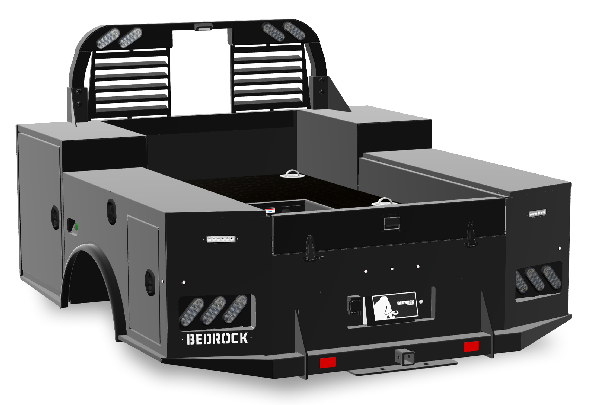
If your answers point to high payload, varied loading angles, and frequent oversized loads, the flatbed wins. If you prioritize lower purchase price, enclosed cargo, and urban maneuverability, the pickup bed is more suitable.
Common mistake most people get wrong when comparing beds
Atomic answer (40‑60 words): Many buyers compare only the purchase price, ignoring the hidden cost of extra trips, fuel waste, and potential cargo damage. Overlooking these operational expenses can make a seemingly cheaper pickup bed far more expensive over its lifespan.
A study by the American Transportation Research Institute found that fleets that switched from under‑spec pickup beds to properly sized flatbeds reduced operational expenses by 12 % within the first year (source: ATR Institute Report 2025).
Frequently Asked Questions
Q1: Can I install a flatbed onto a standard pickup truck chassis? A: Yes, many manufacturers offer “take‑off” kits that replace the stock bed with a flatbed module, but you must verify frame compatibility and axle rating.
Q2: Do flatbeds require special licensing? A: No additional driver’s license is needed, but if the vehicle’s GVWR exceeds 26,001 lb, a commercial driver’s license (CDL) may be required.
Q3: How do I protect cargo on an open flatbed from the elements? A: Use a high‑tensile tarp with reinforced grommets and secure it with tie‑down straps. Some Bedrock models include optional roll‑up covers.
Q4: Which bed type offers better resale value? A: Pickup trucks generally retain value better due to broader consumer demand, but a well‑maintained flatbed can command a premium in the commercial market.
Q5: Are there tax advantages to buying a flatbed? A: Yes, under Section 179 of the IRS code, businesses can expense the full cost of qualifying equipment (including flatbeds) in the year of purchase, up to the annual limit.
Q6: How often should I inspect tie‑down anchors on a flatbed? A: Conduct a visual inspection before each trip and a thorough torque check every six months as per OSHA guidelines.
Q7: Can I add a side guard to a flatbed for extra safety? A: Absolutely. Bedrock offers modular side guards that bolt directly onto the chassis, enhancing load security and meeting DOT side‑impact standards.
Q8: What’s the typical lifespan of a flatbed versus a pickup bed? A: With proper maintenance, flatbeds can last 10‑15 years under heavy use, while pickup beds often require replacement or major repairs after 7‑9 years.
Bottom line: The decision between a flatbed and a pickup truck bed hinges on payload needs, loading ergonomics, regulatory compliance, and total cost of ownership. By applying the checklist above and considering the pros and cons outlined, you can select the platform that maximizes efficiency and profitability for your 2026 operations.
For a side‑by‑side technical comparison, read Bedrock’s detailed analysis in the Flatbed vs pickup truck bed pros cons article.
Interested in learning more?
Visit our website to explore products, find dealers, and get in touch.
Visit Bedrock Truck Beds →