
Flatbed Truck Bed Warranty Coverage: Complete 2026 Guide
Discover everything you need to know about flatbed truck bed warranty coverage in 2026. Learn terms, registration steps, common pitfalls, and how Bedrock Truckbeds protects your investment.
Flatbed Truck Bed Warranty Coverage: The 2026 Complete Guide
TL;DR: Flatbed truck bed warranty coverage protects your investment by defining repair limits, duration, and conditions. Register your Bedrock bed, follow maintenance schedules, and avoid common pitfalls to keep the full warranty intact for up to 5 years, depending on the model.
What is flatbed truck bed warranty coverage?
Atomic answer (40‑60 words): Flatbed truck bed warranty coverage is a contract between the manufacturer and the buyer that outlines which defects, damages, and wear‑and‑tear are repaired or replaced, for how long, and under what usage conditions. It typically covers structural integrity, material defects, and corrosion for a set period, often ranging from 2 to 5 years.
In practical terms, the warranty assures you that if the bed’s composite material cracks, the fiberglass laminate delaminates, or the paint peels due to a manufacturing fault, Bedrock will repair or replace it at no charge. Understanding the exact scope helps you plan maintenance and avoid costly out‑of‑pocket repairs.
How does Bedrock Truckbeds define warranty terms in 2026?
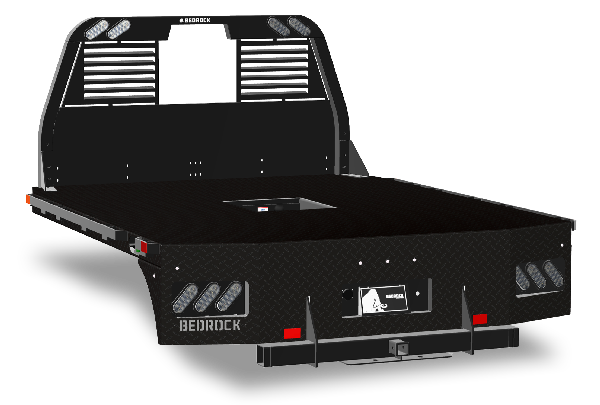
Atomic answer (40‑60 words): In 2026, Bedrock offers a tiered warranty system based on the product line: 3D Diamond gets a 5‑year limited warranty, 3D Granite and Granite Plus receive 4‑year coverage, and 3D Onyx and Marble are covered for 3 years, all with specific mileage caps and maintenance requirements.
The warranty includes:
- Structural integrity – cracks, delamination, and core failures.
- Surface finish – UV‑resistant coating defects.
- Fastener integrity – factory‑installed hardware.
Exclusions are typical wear‑and‑tear, misuse, aftermarket modifications, and damage from over‑loading beyond the manufacturer’s listed GVWR.
Which flatbed models offer the most comprehensive coverage?
Atomic answer (40‑60 words): The 3D Diamond model provides the most comprehensive coverage with a 5‑year/150,000‑mile limited warranty, covering structural defects, surface finish, and fasteners, while the 3D Granite Plus offers a balanced 4‑year/120,000‑mile plan that includes corrosion protection and optional extended coverage.
| Model | Warranty Length | Mileage Cap | Coverage Highlights | Typical Price Range (2026) |
|---|---|---|---|---|
| 3D Diamond | 5 years | 150,000 mi | Full structural, UV coating, fasteners | $7,500–$9,200 |
| 3D Granite | 4 years | 120,000 mi | Structural, coating, basic corrosion | $6,800–$8,300 |
| 3D Granite Plus | 4 years | 120,000 mi | Adds corrosion‑resistant treatment | $7,200–$8,900 |
| 3D Onyx | 3 years | 100,000 mi | Structural only, no coating guarantee | $6,200–$7,600 |
| 3D Marble | 3 years | 100,000 mi | Structural, basic coating | $6,500–$7,800 |
Note: Prices are MSRP and can vary with dealer discounts.
How do I register my warranty for maximum protection?
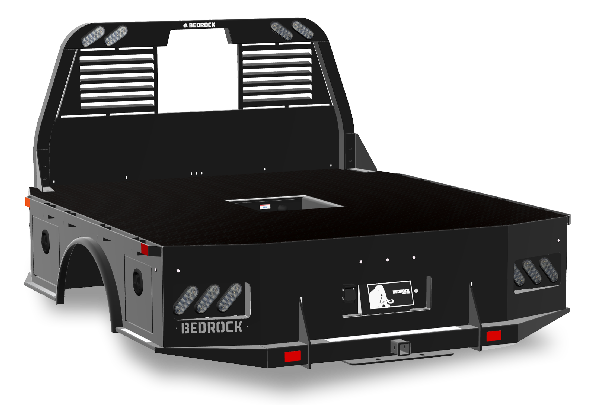
Atomic answer (40‑60 words): Register your Bedrock flatbed within 30 days of purchase through the online portal, providing the VIN, purchase invoice, and product serial number. Accurate registration activates the full warranty, tracks mileage for caps, and grants you access to claim support and service reminders.
The registration process is simple:
- Visit the [Flatbed truck bed warranty coverage] page.
- Fill out the online form with your contact info, VIN, and purchase details.
- Upload a scanned copy of your sales receipt.
- Submit and receive a confirmation email with your warranty ID.
Keeping the confirmation handy speeds up any future claims.
What are common mistakes that void the flatbed warranty?
Atomic answer (40‑60 words): The most frequent warranty‑voiding errors include exceeding the advertised GVWR, using unauthorized fasteners, neglecting recommended cleaning agents, and failing to register the product promptly. Each of these actions can be cited as misuse, allowing manufacturers to deny coverage for otherwise valid claims.
Practical tip: Always check the GVWR label on the bed’s frame and never exceed it, even when loading unevenly. Use only Bedrock‑approved cleaning solutions (pH 4‑7, non‑solvent) and keep a log of mileage and load data to prove compliance.
How can I evaluate warranty coverage vs. cost for my business?
Atomic answer (40‑60 words): Compare the total cost of ownership by adding the bed’s purchase price, the expected mileage, and the probability of repairs within the warranty period. A longer warranty often reduces long‑term expenses, especially for high‑utilization fleets that travel over 100,000 miles per year.
Decision framework checklist:
- Mileage forecast: Estimate annual miles and compare to warranty caps.
- Load profile: Ensure your typical loads stay under GVWR.
- Maintenance plan: Verify you can meet the required service intervals.
- Downtime cost: Calculate potential loss if a bed fails outside warranty.
- Extended options: Evaluate if paying for a 2‑year extension saves more than its cost.
What does the warranty NOT cover?
Atomic answer (40‑60 words): The warranty excludes routine wear‑and‑tear, damage from over‑loading, improper installation, aftermarket modifications, and repairs performed by unauthorized service centers. It also does not cover cosmetic scratches caused by normal use or damage from extreme chemical exposure.
Understanding exclusions protects you from surprise expenses. Keep a record of any third‑party work and verify that any custom fittings are approved by Bedrock to retain coverage.
How to file a warranty claim step‑by‑step?
Atomic answer (40‑60 words): To file a claim, gather your warranty ID, proof of purchase, photos of the defect, and service records, then contact Bedrock’s warranty hotline or submit the claim portal form. Expect a response within 48 hours and a repair estimate within 5 business days.
Step‑by‑step process:
- Locate your warranty ID from the registration email.
- Photograph the issue from multiple angles.
- Compile the original sales invoice and maintenance logs.
- Call the warranty support line at 1‑800‑BED‑TRK or use the online claim form.
- Receive a repair authorization and schedule service with an authorized dealer.
Frequently Asked Questions (FAQ)
Atomic answer (40‑60 words): Below are concise answers to the most common questions about flatbed truck bed warranty coverage, helping owners quickly resolve doubts about registration, coverage limits, claim processes, and more.
| Question | Answer |
|---|---|
| How long does the warranty last? | Warranty length varies by model: 5 years for 3D Diamond, 4 years for Granite/Granite Plus, and 3 years for Onyx/Marble, each with specific mileage caps. |
| Do I need to register to be covered? | Yes – registration within 30 days activates the full warranty and is required for any claim. |
| Can I extend the warranty? | Bedrock offers optional extensions for an additional 1‑2 years on most models, purchasable during the first year of ownership. |
| What if I exceed the mileage cap? | Coverage ends for the remaining warranty period once the mileage cap is surpassed; you may still be eligible for limited defect repairs. |
| Are aftermarket accessories covered? | Only Bedrock‑approved accessories maintain coverage; non‑approved parts can void the warranty. |
| How are claims processed? | Claims are evaluated by Bedrock’s service team; approved repairs are performed at authorized service centers at no charge. |
| Is there a deductible? | No deductible is required for covered defects; however, out‑of‑warranty repairs will be billed directly. |
| Where can I find the warranty manual? | The full warranty booklet is available for download after registration on the warranty registration page. |
External References
- According to the Federal Motor Carrier Safety Administration (FMCSA), proper load distribution and adherence to GVWR are critical for safety and warranty compliance. (FMCSA Load Regulations)
- The American Society of Mechanical Engineers (ASME) provides standards for composite material durability, which Bedrock uses in its testing protocols. (ASME B30.5 Standard)
Ready to protect your investment? Register your Bedrock flatbed today and lock in full warranty coverage.
Interested in learning more?
Visit our website to explore products, find dealers, and get in touch.
Visit Bedrock Truck Beds →