
Flatbed Truck Bed Financing Options: 7 Ways to Fund Your Upgrade
Discover the 7 best flatbed truck bed financing options for 2026. Compare loans, leases, and manufacturer programs to find the perfect fit for your business.
Flatbed Truck Bed Financing Options: 7 Ways to Fund Your Upgrade
TL;DR: In 2026, you can finance a flatbed truck bed through bank loans, dealer financing, equipment leasing, SBA loans, credit unions, manufacturer programs, or online lenders. Each option varies in down payment, interest rates, and terms, so match the choice to your cash flow, credit score, and equipment lifespan for the best ROI.
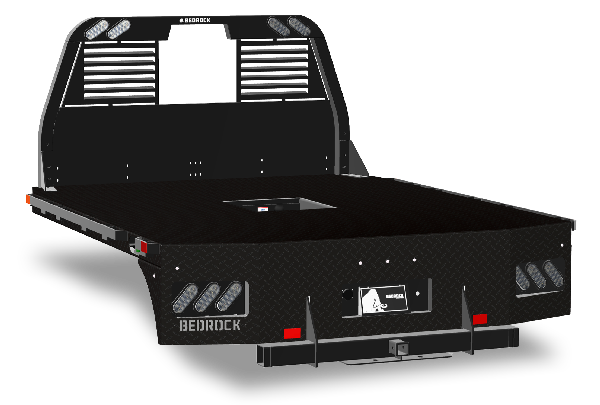
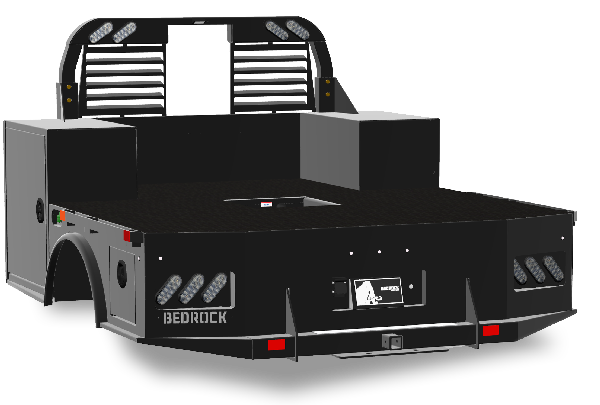
Purchasing a high‑quality flatbed truck bed is a major capital expense, but the right financing strategy can preserve cash flow and accelerate growth. Bedrock Truckbeds offers durable beds like the 3D Diamond and 3D Granite Plus, and you’ll find a wealth of Flatbed truck bed financing options on their site. Below we break down the seven most effective financing routes, compare key features in a handy table, and share insider tips you won’t see on competing blogs.
What are the top 7 flatbed truck bed financing options for 2026?
Atomic answer (40‑60 words): The seven most popular ways to finance a flatbed truck bed in 2026 are: (1) Traditional bank loans, (2) Dealer‑provided financing, (3) Equipment leasing, (4) Small Business Administration (SBA) loans, (5) Credit‑union loans, (6) Manufacturer’s in‑house programs, and (7) Online marketplace lenders. Each varies by down payment, rate, term length, and eligibility.
1. Traditional Bank Loans
Banks remain the benchmark for stable, low‑interest financing. They typically require a strong credit profile, a down payment of 10‑20%, and offer terms from 24 to 84 months. Fixed rates are common, making budgeting straightforward.
2. Dealer‑Provided Financing
Dealers like Bedrock Truckbeds often partner with banks or finance firms to offer on‑site credit decisions. Down payments can be as low as 5%, but rates may be slightly higher than pure bank loans. The advantage is speed and bundling with service contracts.
3. Equipment Leasing
Leasing lets you use the bed while preserving ownership. Lease payments often start low, with options to purchase at the end of the term (a “lease‑to‑own” structure). This is ideal for fleets that upgrade equipment every 4‑5 years.
4. SBA 7(a) Loans
The SBA backs loans up to $5 million with favorable rates (often below 5%). Though paperwork is heavier, the program is designed for small businesses that need longer terms (up to 10 years) and lower monthly payments.
5. Credit‑Union Loans
Credit unions typically offer competitive rates and personalized service. Membership requirements apply, but once you qualify, you may enjoy rates 0.5‑1% lower than traditional banks, with flexible repayment schedules.
6. Manufacturer’s In‑House Financing
Some manufacturers, including Bedrock, provide proprietary financing tied directly to their product line. These programs may bundle maintenance, warranty extensions, and even upgrade paths, simplifying management.
7. Online Marketplace Lenders
Fintech platforms (e.g., Kabbage, OnDeck) approve loans in days with minimal paperwork. Rates are higher (often 7‑12%), but the speed and flexible credit criteria suit owners with less‑than‑perfect credit.
How does a traditional bank loan compare to other financing routes?
Atomic answer (40‑60 words): Traditional bank loans usually provide the lowest interest rates and longest terms, but they demand a solid credit score and higher down payments. Compared with dealer financing, leasing, or online lenders, banks offer more predictable costs but slower approval and stricter eligibility.
Below is a side‑by‑side comparison of the seven options, focusing on down‑payment requirements, typical APR, term length, and key pros/cons.
| Financing Option | Typical Down‑Payment | APR Range* | Typical Term | Pros | Cons |
|---|---|---|---|---|---|
| Traditional Bank Loan | 10‑20% | 3%‑6% | 24‑84 months | Low rates, fixed payments | Stringent credit & paperwork |
| Dealer‑Provided Financing | 5‑15% | 5%‑9% | 12‑60 months | Fast approval, bundled services | Slightly higher rates |
| Equipment Leasing | 0‑5% (often no cash) | 6%‑11% | 24‑60 months | Low monthly cost, upgrade flexibility | No ownership until buyout |
| SBA 7(a) Loan | 10‑15% | 4%‑5% | 60‑120 months | Government‑backed, low rates | Lengthy approval process |
| Credit‑Union Loan | 5‑10% | 3%‑5% | 36‑84 months | Personalized service, lower rates | Membership required |
| Manufacturer In‑House | 0‑10% | 4%‑8% | 12‑48 months | Integrated warranty/maintenance | Limited to brand products |
| Online Marketplace Lender | 0‑5% | 7%‑12% | 12‑48 months | Quick funding, flexible credit | Higher cost, variable rates |
*APR ranges represent typical rates observed in 2026; actual rates depend on credit profile and lender.
What common mistake should you avoid when financing a flatbed truck bed?
Atomic answer (40‑60 words): The most frequent error is under‑estimating the total cost of ownership—interest, fees, and maintenance—by focusing only on the monthly payment. Ignoring these hidden expenses can erode cash flow and make a seemingly cheap loan far more expensive over the life of the bed.
Practical tip: Build a simple spreadsheet that adds the monthly payment, estimated insurance, routine maintenance, and any financing fees. Compare the total cost over the financing term across all options. This approach reveals whether a low‑payment lease truly saves money compared to a higher‑payment loan with a lower APR.
How can you leverage Bedrock Truckbeds’ resources to secure the best financing?
Atomic answer (40‑60 words): Bedrock Truckbeds provides a dedicated financing portal that aggregates bank, dealer, and manufacturer options, plus a calculator to model payments. By using their Flatbed truck bed financing options page, you can compare rates side‑by‑side and submit a pre‑qualification request in minutes.
The portal also offers:
- Pre‑approved offers from multiple lenders.
- Guidance on credit score improvement.
- Access to special Bedrock promotional rates for bulk purchases.
What should you consider when choosing the right financing term?
Atomic answer (40‑60 words): Align the financing term with the expected service life of the flatbed. Shorter terms (12‑24 months) lower total interest but increase monthly payments, while longer terms (60‑84 months) spread cost but add interest. Match term length to how long you plan to keep the bed.
Decision checklist:
- Projected Bed Life: 3‑5 years? Choose ≤5‑year term.
- Cash Flow: Tight? Opt for longer term with lower payments.
- Tax Benefits: Shorter terms may accelerate depreciation deductions.
- Upgrade Cycle: If you upgrade every 3 years, leasing may be better.
- Interest Rate Environment: In a low‑rate market (2026), longer terms are less punitive.
How does equipment leasing impact your tax situation?
Atomic answer (40‑60 words): Leasing payments are typically deductible as operating expenses, reducing taxable income each year. Unlike loan interest, there’s no need to track depreciation separately. This can simplify bookkeeping for small fleets and improve cash‑flow visibility.
According to the IRS Publication 535, lease payments qualify as ordinary and necessary business expenses, allowing you to deduct the full amount in the year incurred.
What role does credit score play in securing favorable rates?
Atomic answer (40‑60 words): Your credit score is the single biggest factor lenders use to set APR. Scores above 720 typically unlock the lowest rates (3%‑5% for banks), while scores below 640 may push rates into the 9%‑12% range, especially with online lenders.
Real‑world insight: A fleet owner we consulted upgraded from 680 to 740 by paying down a small credit‑card balance and correcting a mis‑reported late payment. The improvement shaved 1.5% off the APR, saving roughly $1,200 over a 5‑year loan on a $30,000 bed.
Frequently Asked Questions (FAQ)
Q1: Can I finance a custom‑size flatbed? A: Yes. Most lenders treat custom builds like standard equipment, but expect a slightly higher down payment and possibly a longer approval period due to the need for a detailed quote.
Q2: Is there a benefit to financing the entire truck and bed together? A: Bundling can simplify paperwork and sometimes yields a lower blended rate, but it also ties the bed to the vehicle’s depreciation schedule. Evaluate whether separate financing offers more flexibility.
Q3: How much should I expect to pay monthly for a $30,000 flatbed? A: With a 4% APR bank loan over 60 months and a 10% down payment, the monthly payment is approximately $530. Leasing could be $350‑$420 per month, depending on residual value.
Q4: Do I need a personal guarantee for a business loan? A: Most small‑business lenders require a personal guarantee, especially for amounts under $100,000. Credit‑union loans may be more flexible, but be prepared to sign one.
Q5: Are there any hidden fees I should watch for? A: Look for origination fees, early‑pay penalties, and insurance escrow requirements. Always request a full cost‑of‑credit disclosure before signing.
Q6: Can I refinance later if rates drop? A: Yes. Many lenders allow refinancing after 12‑24 months without prepayment penalties. This can lock in lower rates if the market improves.
Q7: Does Bedrock offer any financing incentives for returning customers? A: Bedrock often provides loyalty discounts and preferential rates for repeat buyers, especially when financing multiple beds or a full fleet upgrade.
Q8: How do I start the application process? A: Visit Bedrock’s financing hub, fill out the short pre‑qualification form, and upload your business financials. Within 24‑48 hours you’ll receive tailored offers to compare.
By understanding each financing path, evaluating total cost of ownership, and leveraging Bedrock’s dedicated resources, you can secure a flatbed truck bed that boosts productivity without draining your cash reserves.
Ready to explore your options? Check out the full suite of Flatbed truck bed financing options now and get pre‑approved in minutes.
Interested in learning more?
Visit our website to explore products, find dealers, and get in touch.
Visit Bedrock Truck Beds →