
Top 10 Flatbed Truck Bed Financing Options for 2026
Discover the top 10 flatbed truck bed financing options for 2026. Compare rates, terms, and real‑world tips to finance your Bedrock truck bed with confidence.
TL;DR: In 2026, flatbed truck bed financing comes in several flavors—fixed‑rate leases, SBA‑backed loans, dealer‑offered credit, equipment loans, and rent‑to‑own plans. Down payments range from $0 to 20%, terms span 24‑84 months, and APRs usually sit between 3%‑9%, letting you choose a structure that matches your cash flow and mileage goals.
What Are the Top 10 Flatbed Truck Bed Financing Options for 2026?
Atomic answer (40‑60 words): The ten most popular financing routes in 2026 include: 1) Bedrock Fixed‑Rate Lease, 2) SBA 7(a) Equipment Loan, 3) Traditional Bank Equipment Loan, 4) Dealer Direct Finance, 5) Credit Union Financing, 6) Online Lender Term Loan, 7) Lease‑to‑Own Program, 8) Zero‑Down Promotional Lease, 9) Trade‑In Equity Financing, and 10) Government Fleet Funding. Each varies in down payment, term length, interest rates, and eligibility.
These options cover the full spectrum from low‑upfront‑cost leases to long‑term ownership loans. Below we break down each option, highlight the ideal customer profile, and point out hidden costs you need to watch.
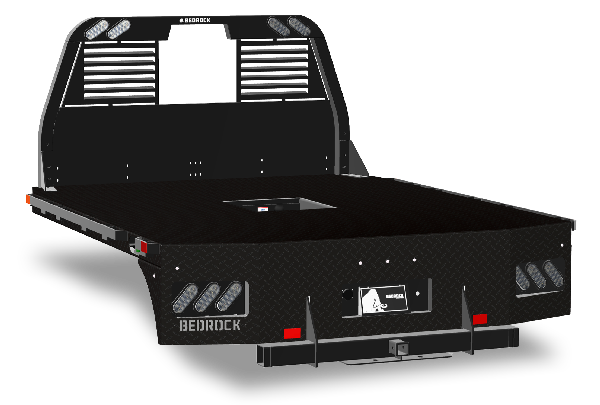
1. Bedrock Fixed‑Rate Lease (Featured Product)
Atomic answer: Bedrock’s Fixed‑Rate Lease lets you spread the cost of any 3D truck bed over 36‑60 months with a fixed APR of 4.5% and as little as $1,000 down, preserving working capital while giving you a brand‑new flatbed.
The lease includes maintenance coverage for the first 24 months and a buy‑out option at the end of the term. It’s ideal for contractors who need predictable monthly expenses and want to upgrade equipment every few years.
Key benefits
- Fixed payment – no surprise rate hikes.
- Low down payment – preserves cash flow.
- Option to purchase at fair market value.
- Maintenance package optional for added peace of mind.
2. SBA 7(a) Equipment Loan
Atomic answer: The SBA 7(a) loan offers up to 90% financing for flatbed truck beds, with terms up to 10 years and rates typically between 3%‑6%, making it a low‑cost, long‑term ownership solution for qualified businesses.
Eligibility requires a solid credit profile and at least 15% equity injection. The loan can be used for both new and used beds, and the SBA partially guarantees the loan, reducing lender risk and often resulting in better rates.
According to the U.S. Small Business Administration, the average 7(a) loan size in 2025 was $850,000, showing lenders are comfortable financing high‑value equipment.
3. Traditional Bank Equipment Loan
Atomic answer: Traditional banks provide equipment loans with 3‑7 year terms, APRs from 5%‑9%, and down payments of 15%‑20%, suited for owners with strong credit scores and existing bank relationships.
Banks often require detailed financial statements, a business plan, and collateral (the truck bed itself). They may also offer discounts for multi‑asset financing.
4. Dealer Direct Finance (Bedrock Financing Center)
Atomic answer: Bedrock’s own financing center offers simplified credit approval, flexible terms from 24‑72 months, and promotional zero‑down offers for new 3D Granite models, ideal for buyers who prefer a one‑stop shop.
The process can be completed online, and the dealer may bundle accessories (tie‑downs, LED lights) into the financing package.
Flatbed truck bed financing options provide a quick application and same‑day decision, helping you get on the road faster.
5. Credit Union Financing
Atomic answer: Credit unions often deliver lower APRs (3%‑5%) and more flexible underwriting for flatbed financing, with typical down payments of 10% and terms up to 84 months, perfect for members with established banking history.
Because credit unions are member‑owned, they can tailor financing to the specific cash‑flow patterns of local trucking firms.
6. Online Lender Term Loan
Atomic answer: Online lenders give fast approvals (often within 24 hours) for flatbed bed purchases, with terms of 12‑48 months and APRs from 7%‑12%, catering to owners who need capital quickly and have decent credit.
These loans may have higher rates but lower documentation requirements, making them suitable for short‑term needs or fleet expansion.
7. Lease‑to‑Own Program
Atomic answer: A Lease‑to‑Own arrangement combines the low‑monthly cost of a lease with a final purchase option after 48‑60 months, allowing you to test the bed’s performance before committing to ownership.
The structure usually includes a higher overall cost than a straight lease, but the flexibility can lower risk for businesses uncertain about long‑term demand.
8. Zero‑Down Promotional Lease (Seasonal Offer)
Atomic answer: Bedrock runs seasonal zero‑down leases on select models like the 3D Granite Plus, allowing you to start using a new flatbed with no upfront cash, while paying a modestly higher monthly rate for the lease term.
This option works best for contractors expecting upcoming high‑revenue projects that can absorb the slightly higher monthly expense.
9. Trade‑In Equity Financing
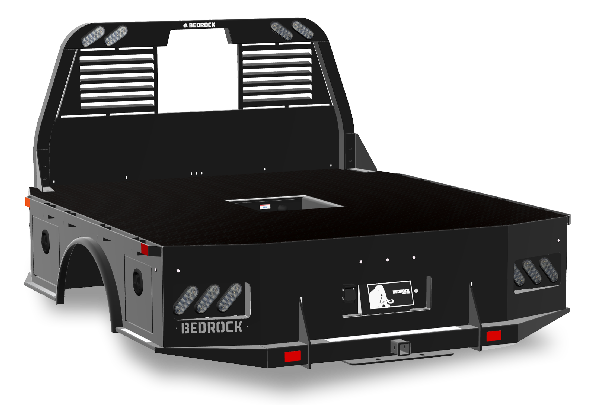
Atomic answer: If you already own an older flatbed, you can trade it in for equity that reduces your financing amount, often lowering the required down payment to under 5% and improving loan terms.
The trade‑in value is assessed by Bedrock appraisers and applied directly to the new financing agreement.
10. Government Fleet Funding (State DOT Grants)
Atomic answer: Some state Departments of Transportation allocate grant or low‑interest loan programs for fleet upgrades that improve safety and emissions, allowing eligible businesses to finance flatbed beds at rates as low as 2%.
Eligibility varies by state; you typically need to demonstrate how the new equipment will meet specific regulatory or environmental goals.
According to the American Trucking Associations, federal and state grant programs increased by 12% in 2025, providing more opportunities for fleet modernization.
How Do I Choose the Right Financing Option?
Atomic answer: Use the Decision Framework Checklist below: 1) Determine cash‑flow tolerance, 2) Calculate total cost of ownership (including interest, fees, maintenance), 3) Assess credit score and equity, 4) Match term length to expected usage horizon, 5) Compare APR and total payments across options.
Decision Framework Checklist
| Step | Question | Why It Matters |
|---|---|---|
| 1 | Can I comfortably afford the monthly payment? | Prevents cash‑flow strain and defaults |
| 2 | Do I plan to keep the bed >5 years? | Influences lease vs. loan choice |
| 3 | What is my credit score? | Determines eligibility and rates |
| 4 | Will I need upgrades or accessories? | Some lenders bundle accessories |
| 5 | Am I eligible for any government incentives? | Can shave 1‑3% off APR |
What Are Common Mistakes When Financing a Flatbed?
Atomic answer: The most frequent error is focusing only on the monthly payment and ignoring the total cost of financing, including hidden fees, early‑termination penalties, and insurance requirements.
Practical tip: Always request a “Net‑Cost” spreadsheet that shows total interest paid over the life of the loan and compare it to a straight cash purchase. This reveals the true financial impact.
How Much Does a Flatbed Truck Bed Typically Cost?
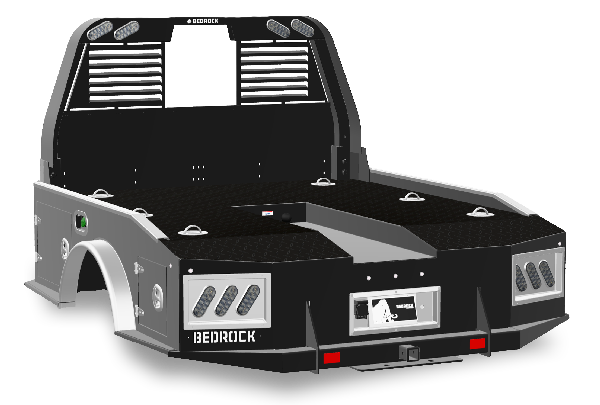
Atomic answer: In 2026, a new Bedrock 3D Granite Plus starts at $22,500, while premium models like the 3D Onyx can exceed $38,000. Financing decisions should be based on the specific model and any optional upgrades.
Sample Cost Breakdown (2026 MSRP)
| Model | Base Price | Popular Add‑Ons | Approx. Total |
|---|---|---|---|
| 3D Diamond | $20,000 | LED lighting $1,200 | $21,200 |
| 3D Granite | $22,500 | Reinforced tie‑downs $1,500 | $24,000 |
| 3D Granite Plus | $26,800 | Hydraulic lift $2,300 | $29,100 |
| 3D Onyx | $35,000 | Heavy‑duty ramp $2,800 | $37,800 |
| 3D Marble | $30,500 | GPS tracking $1,000 | $31,500 |
Are There Tax Benefits to Financing?
Atomic answer: Yes—under IRS Section 179, businesses can deduct the full purchase price of qualifying equipment, including flatbed truck beds, in the year of acquisition, potentially offsetting financing costs.
If you lease, you can generally deduct lease payments as an operating expense. Consult a tax professional to maximize your benefit.
How Does Credit Score Influence My Financing Options?
Atomic answer: Credit scores above 720 unlock the lowest APRs (3%‑5%) and minimal down payments, while scores below 620 may require higher down payments (20%‑30%) and face APRs of 9%‑12%.
Lenders also look at debt‑to‑income ratio and business cash flow. Improving credit by paying down existing debt can save thousands over the life of a loan.
What Documentation Do I Need to Apply?
Atomic answer: Typical documentation includes: 1) Business tax returns (last 2 years), 2) Personal and business credit reports, 3) Proof of insurance, 4) Purchase order or dealer quote, 5) Financial statements (balance sheet, P&L), and 6) Any existing loan payoff statements.
Having these ready can reduce approval time from weeks to days, especially with online lenders.
Frequently Asked Questions
Atomic answer: Below are concise answers to the most common queries about flatbed truck bed financing, compiled from industry experts and Bedrock’s own experience.
FAQ
1. Can I refinance my existing flatbed loan? Yes. Many lenders allow refinancing after 12‑24 months, potentially lowering APR or extending term to improve cash flow.
2. Is a higher down payment always better? A larger down payment reduces monthly payments and total interest, but tying up cash may limit other operational investments. Balance based on cash‑flow needs.
3. What happens if I exceed the mileage limit on a lease? Most leases include mileage caps (e.g., 25,000 miles/year). Exceeding them incurs per‑mile fees, typically $0.12‑$0.20 per extra mile.
4. Are there penalties for early lease termination? Yes—early termination fees can equal 2‑3 months of payments or a percentage of the remaining balance. Review the contract carefully.
5. How quickly can I get approval? Online lenders can approve within 24 hours, while SBA loans may take 4‑6 weeks due to paperwork.
6. Do I need separate insurance for the financed bed? Lenders usually require comprehensive coverage that lists the lender as lienholder. This protects both parties.
7. Can I combine multiple financing sources? Some owners use a low‑down‑payment lease for the base bed and an equipment loan for accessories. Coordination with both lenders is essential.
8. Is financing available for used flatbed beds? Absolutely. Used‑bed financing often carries higher APR (6%‑10%) but may require a lower loan amount, making it a viable option for budget‑conscious fleets.
Ready to explore your financing options? Visit Bedrock’s dedicated financing hub for calculators, application forms, and personalized quotes.
Flatbed truck bed financing options – your first step toward a fully equipped, financially smart fleet.
Interested in learning more?
Visit our website to explore products, find dealers, and get in touch.
Visit Bedrock Truck Beds →