
Farm Truck Flatbed With Hay Spikes: Complete Guide 2026
Discover the best farm truck flatbed with hay spikes for efficient hay transport. Compare features, safety tips, and find the perfect agricultural flatbed solution.
TL;DR: Farm truck flatbeds with hay spikes are specialized agricultural platforms designed for secure hay bale transport, featuring integrated spike systems that prevent cargo shifting while maximizing payload capacity and farm efficiency.
What Is a Farm Truck Flatbed With Hay Spikes?
A farm truck flatbed with hay spikes combines the versatility of a traditional flatbed with specialized vertical spikes designed specifically for transporting hay bales. These spikes, typically ranging from 12-18 inches in height, pierce through square or round bales to secure them during transport, preventing dangerous load shifting that could damage equipment or cause accidents.
The integration of hay spikes into flatbed designs represents a significant advancement in agricultural logistics. Unlike standard flatbeds that require extensive tie-down procedures, hay spike systems provide immediate load security through direct penetration of the bales. This system dramatically reduces loading time while improving safety margins during transport across varied terrain.
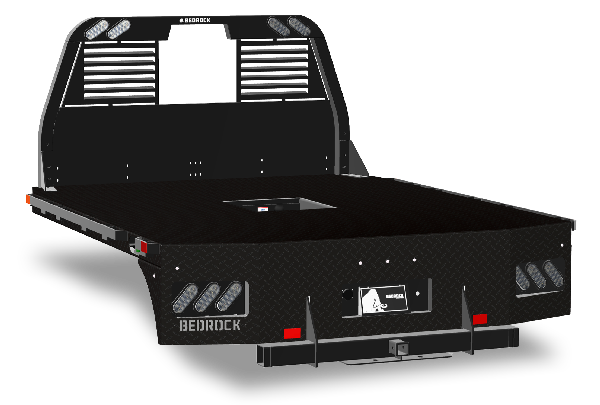
Modern hay spike flatbeds feature removable or retractable spike systems, allowing the same truck to handle diverse agricultural loads beyond hay transport. The best systems incorporate heavy-duty steel construction with reinforced mounting points to withstand the repeated stress of spike penetration and cargo weight.
How Do Hay Spikes Improve Farm Efficiency?
Hay spikes eliminate the time-consuming process of securing individual bales with straps or chains, reducing loading time by up to 75% compared to traditional methods. A single operator can safely load and secure multiple bales in minutes rather than the hour-plus required for conventional tie-down systems.
The efficiency gains extend beyond loading speed. Hay spikes allow for more strategic bale placement, maximizing payload within legal weight limits. Properly positioned spikes can accommodate varying bale sizes and configurations, from small square bales arranged in patterns to large round bales positioned for optimal weight distribution.
According to the American Society of Agricultural and Biological Engineers, proper hay transport equipment can reduce crop losses by up to 15% during field-to-storage operations. The secure hold provided by spike systems minimizes bale compression and maintains feed quality during transport.
Loading Time Comparison
| Transport Method | Loading Time (10 bales) | Securing Method | Safety Rating |
|---|---|---|---|
| Traditional Flatbed | 45-60 minutes | Straps/chains | Moderate |
| Hay Spike System | 10-15 minutes | Integrated spikes | High |
| Specialized Hay Trailer | 20-30 minutes | Side containment | High |
| Pickup Truck | 30-40 minutes | Manual stacking | Low |
What Size Flatbed Do I Need for My Operation?
Flatbed sizing depends on your typical hay production volume, transport distances, and truck specifications. Standard farm operations typically choose between 8-foot, 8.5-foot, or custom width platforms, with lengths ranging from 8 to 16 feet based on the truck chassis.
For small to medium operations handling 50-200 bales per season, an 8x12 foot flatbed provides optimal balance between payload capacity and maneuverability. This size accommodates most pickup truck and medium-duty truck chassis while providing space for 8-12 large square bales or 4-6 round bales per load.
Larger operations benefit from extended platforms up to 16 feet long, maximizing payload within Department of Transportation regulations. The Federal Motor Carrier Safety Administration specifies maximum dimensions of 8.5 feet width and varying length limits based on vehicle classification and state regulations.
Payload Considerations
Hay weight varies significantly based on moisture content, cutting date, and storage conditions. Dry hay typically weighs 35-45 pounds per cubic foot, while higher moisture content can increase weight by 20-30%. Your flatbed must accommodate both the physical dimensions and weight distribution of fully loaded bales.
Spike placement becomes critical for weight distribution. Proper spike positioning ensures even load distribution across the truck's axles, preventing overweight violations and maintaining vehicle stability. Most effective systems position spikes in a grid pattern that accommodates various bale configurations while maintaining optimal weight balance.
Which Hay Spike Configuration Works Best?
Fixed vertical spikes offer maximum strength and penetration power, ideal for operations primarily focused on hay transport. These systems typically feature 1/2-inch to 3/4-inch diameter steel spikes with pointed tips designed for easy bale penetration and secure hold.
Removable spike systems provide greater versatility for farms requiring multi-purpose flatbed functionality. These systems utilize heavy-duty mounting sockets that accept individual spikes when needed, while providing a clean flatbed surface for other agricultural tasks. The trade-off involves slightly reduced holding power compared to permanently mounted systems.
Retractable spike systems represent the premium option, combining maximum holding power with complete versatility. These hydraulically or manually operated systems fold spikes flush with the bed surface when not in use, providing full flatbed functionality without spike removal.
Common Mistakes in Spike Selection
Many farmers choose spike systems based solely on initial cost, overlooking long-term durability requirements. Agricultural environments subject equipment to extreme conditions including moisture, fertilizers, and repeated mechanical stress. Quality spike systems feature galvanized or powder-coated finishes specifically designed for agricultural applications.
Another frequent error involves inadequate spike spacing for the operation's typical bale sizes. Spikes positioned too closely limit bale size options, while excessive spacing reduces load security. The optimal configuration accommodates your most common bale types while providing flexibility for occasional size variations.
How Do I Choose the Right Flatbed Material?
Steel flatbeds dominate agricultural applications due to superior strength, spike mounting capability, and resistance to impact damage from hay handling equipment. Steel platforms handle the concentrated loads created by spike penetration without flexing or cracking that could compromise spike integrity.
Aluminum flatbeds offer weight savings beneficial for maximizing payload capacity, but require specialized mounting systems for hay spikes. The reduced platform weight allows for increased cargo capacity within gross vehicle weight ratings, particularly important for operations approaching legal weight limits.
Composite materials provide corrosion resistance valuable in high-moisture agricultural environments, though they typically require more complex spike mounting systems. These materials excel in coastal or high-humidity regions where steel corrosion presents ongoing maintenance challenges.
Material Durability Factors
| Material | Weight | Corrosion Resistance | Spike Mounting | Cost Range |
|---|---|---|---|---|
| Steel | Heavy | Moderate | Excellent | $3,000-$8,000 |
| Aluminum | Light | High | Good | $4,000-$10,000 |
| Composite | Medium | Excellent | Fair | $5,000-$12,000 |
The choice between materials often depends on regional factors and operational priorities. Operations in corrosive environments benefit from aluminum or composite platforms despite higher initial costs, while operations prioritizing maximum payload capacity and spike security typically choose steel construction.
What Safety Features Should I Consider?
Hay spike safety begins with proper spike design and positioning. Quality systems feature beveled or rounded spike tips that penetrate bales effectively while reducing injury risk during loading operations. Spikes should extend 12-16 inches above the bed surface, providing adequate penetration without excessive exposure.
Visibility enhancements become critical when transporting hay loads that extend above cab height. Reflective marking, LED lighting systems, and proper flagging ensure other drivers can accurately judge vehicle dimensions and load configuration. Many operations add amber warning lights to alert following traffic to the agricultural vehicle's presence.
Load monitoring systems help prevent overweight violations that could result in significant fines and equipment damage. Electronic load scales integrated into the flatbed provide real-time weight feedback during loading, allowing operators to optimize payload within legal limits.
Emergency Preparedness
Hay transport creates unique fire risks due to the combustible nature of dried vegetation and potential friction from loose bales. Effective safety protocols include carrying appropriate fire extinguishers, maintaining adequate following distances, and avoiding extended idling periods that could generate excessive heat.
Secure communication systems ensure operators can request assistance if mechanical problems occur in remote agricultural areas. Many farms equip hay trucks with two-way radios or satellite communication devices for areas with limited cellular coverage.
Which Bedrock Truckbed Model Suits Hay Operations?
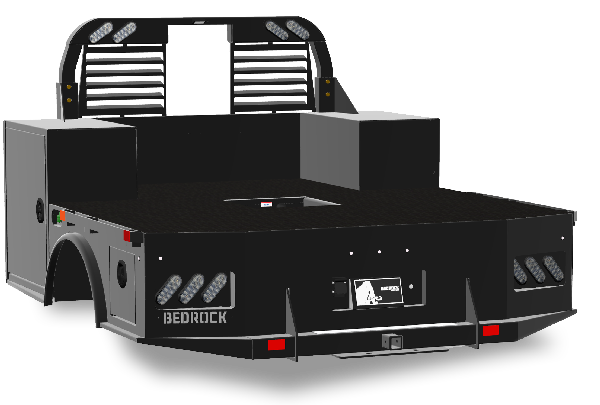
The farm truck flatbed with hay spikes from Bedrock's Diamond series provides an ideal foundation for agricultural operations requiring versatile, durable platforms. This model combines heavy-duty steel construction with customizable mounting options that accommodate various spike configurations.
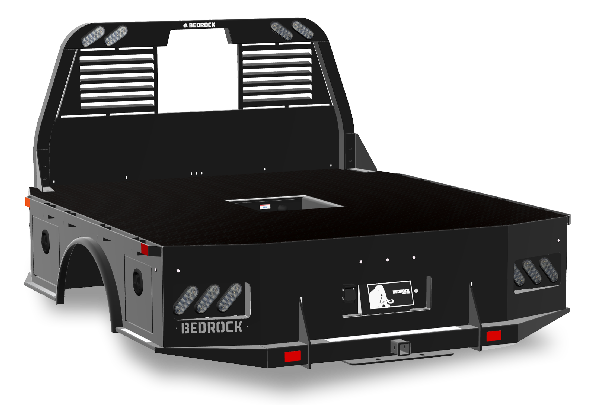
For operations requiring premium features and enhanced payload capacity, the Granite+ Flatbed | Bedrock Truck Beds offers advanced engineering specifically designed for demanding agricultural applications. The enhanced frame design provides superior spike mounting strength while maintaining the versatility needed for diverse farm tasks.
The Granite Flatbed | Bedrock Truck Beds represents an excellent middle-ground option, providing robust construction suitable for hay spike installation while offering the flexibility needed for year-round agricultural use.
Installation and Customization
Professional installation ensures proper spike positioning and secure mounting that meets both safety requirements and operational efficiency goals. Bedrock's engineering team works with agricultural operations to design custom spike configurations that match specific hay handling requirements and bale types.
Customization options include removable spike systems, integrated tie-down points for mixed loads, and specialized edge treatments that facilitate easy loading while protecting both equipment and cargo. The modular design allows for future modifications as operational requirements evolve.
How Much Should I Budget for a Complete System?
Complete farm truck flatbed with hay spikes systems typically range from $4,000 to $12,000 depending on platform size, material selection, and spike configuration complexity. This investment includes the flatbed platform, professional spike installation, and basic safety equipment required for legal road transport.
Budget considerations should include long-term operational costs beyond initial purchase price. Quality systems reduce maintenance requirements and provide years of reliable service, while cheaper alternatives may require frequent repairs or premature replacement that increases total ownership costs.
Cost-Benefit Analysis
The efficiency gains from proper hay spike systems often justify the investment within a single harvesting season. Time savings of 30-45 minutes per load, multiplied by dozens of loads during harvest season, translates to significant labor cost reductions and increased operational capacity.
Additionally, improved load security reduces crop losses and potential liability issues associated with unsecured loads. Many agricultural insurance providers offer premium discounts for operations using approved load securement systems that exceed minimum safety requirements.
Frequently Asked Questions
What's the maximum weight capacity for hay spike flatbeds?
Weight capacity depends on the truck chassis and flatbed construction rather than the spike system itself. Most farm truck applications handle 3,000-8,000 pounds of hay per load, with spike systems designed to secure these loads effectively without affecting weight capacity.
Can I remove hay spikes when not transporting hay?
Removable and retractable spike systems allow complete spike removal or concealment, providing full flatbed functionality for other agricultural tasks. Fixed systems require careful planning to ensure year-round utility.
How often do hay spikes need replacement?
Quality steel spikes typically last 5-10 years with proper maintenance, depending on usage frequency and environmental conditions. Galvanized or coated spikes provide extended service life in corrosive agricultural environments.
Are there legal restrictions on hay spike configurations?
Local and state regulations may specify maximum spike height, spacing requirements, and safety marking obligations. Check with local transportation authorities before installing spike systems to ensure compliance.
What maintenance do hay spike systems require?
Regular inspection for spike damage, mounting point integrity, and proper lubrication of moveable components ensures reliable operation. Annual professional inspection helps identify potential issues before they compromise safety or functionality.
Can hay spikes damage the bales during transport?
Properly designed and positioned spikes create minimal bale damage while providing secure load retention. The small puncture wounds heal quickly and don't significantly affect feed quality or storage characteristics.
How do weather conditions affect hay spike performance?
Moisture can affect spike penetration into wet bales, while extreme temperatures may impact hydraulic systems in retractable configurations. Most systems function reliably across normal agricultural weather conditions with appropriate seasonal maintenance.
What size truck do I need for effective hay spike operation?
Medium-duty trucks (Class 3-5) provide optimal balance between payload capacity and maneuverability for most farm operations. Smaller trucks limit payload while larger trucks may be impractical for field access and normal farm operations.
Interested in learning more?
Visit our website to explore products, find dealers, and get in touch.
Visit Bedrock Truck Beds →